As peak season approaches, for overseas wholesalers and distributors, every inquiry sent to a supplier essentially asks one thing: Do you have ready-to-sell, shelf-ready products on hand?
YISON started in Guangzhou in 1998 in audio and launched the global B2B brand Celebrat in 2017. Today we cover 20+ categories and 1,000+ SKUs across Audio, Charging, and Car Accessories, sold in 150+ countries. What got us here is not chasing whatever is hot, but one thing: putting certifications, stock availability, and one-stop assortment ahead of the order. The Black Friday window is exactly when this matters most.
Audio Line: TWS, Speakers, and Wired Earphones — a Stock Portfolio, Not a Single Hit Product
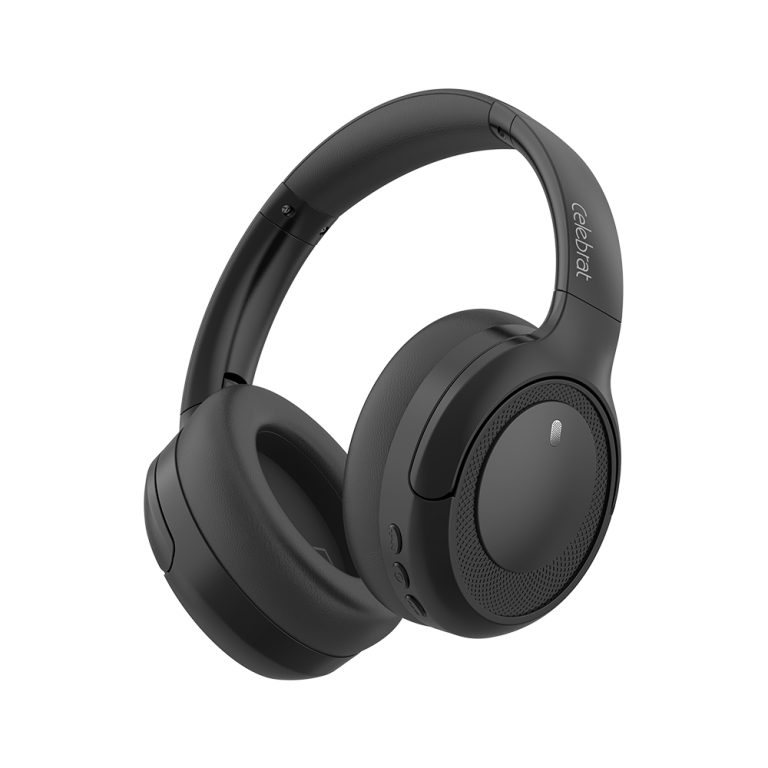
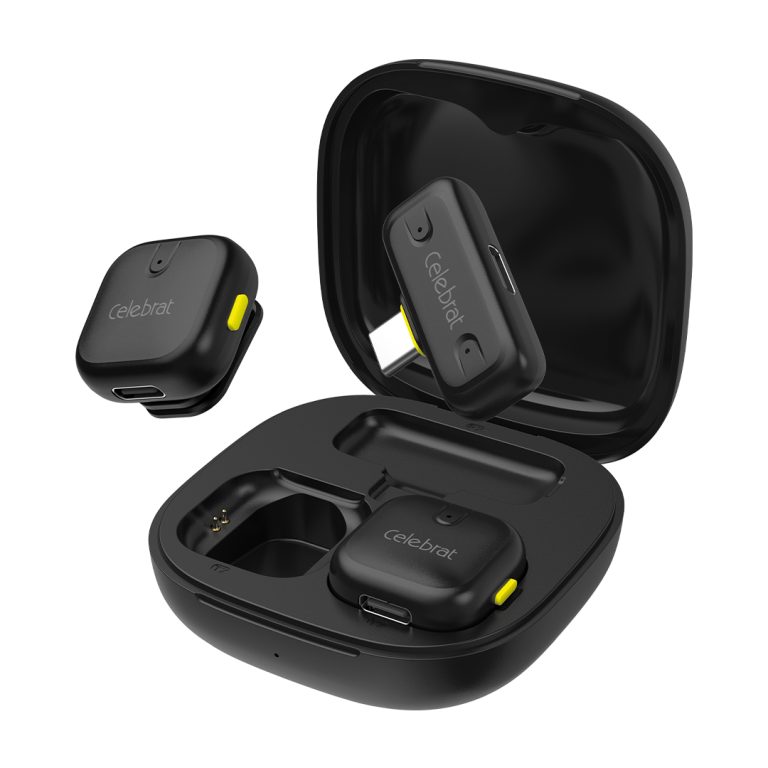
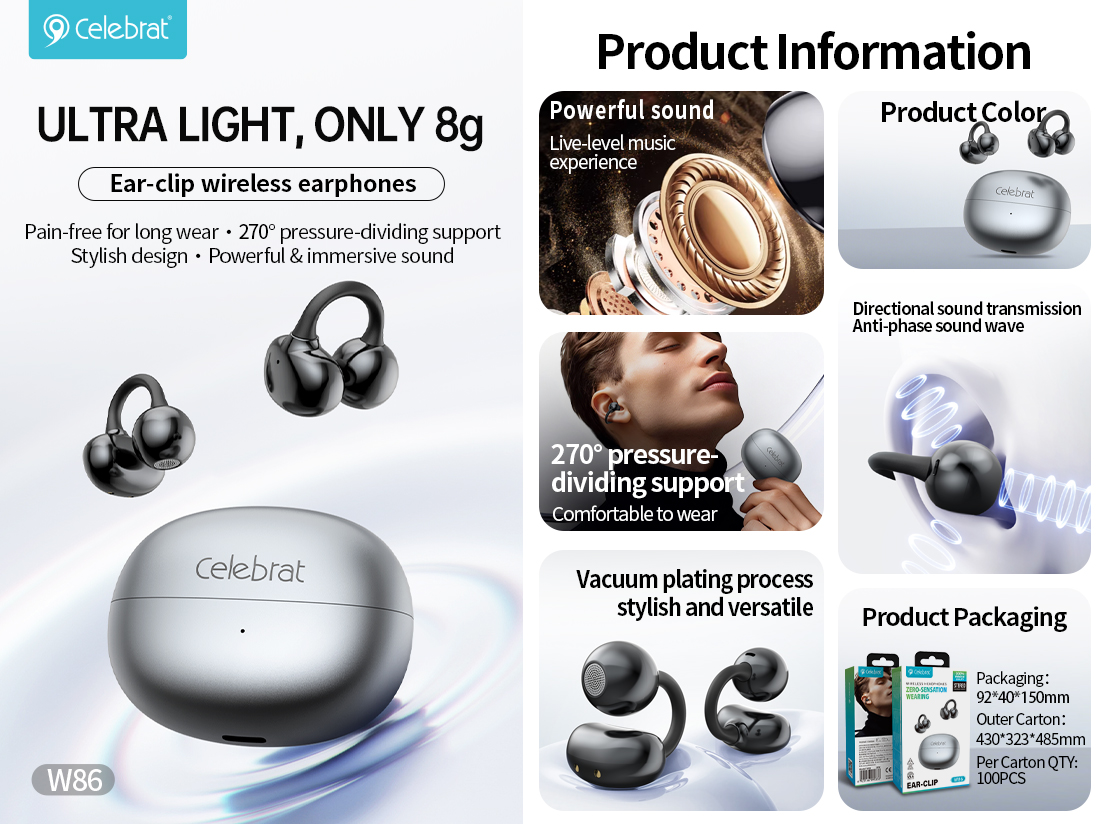
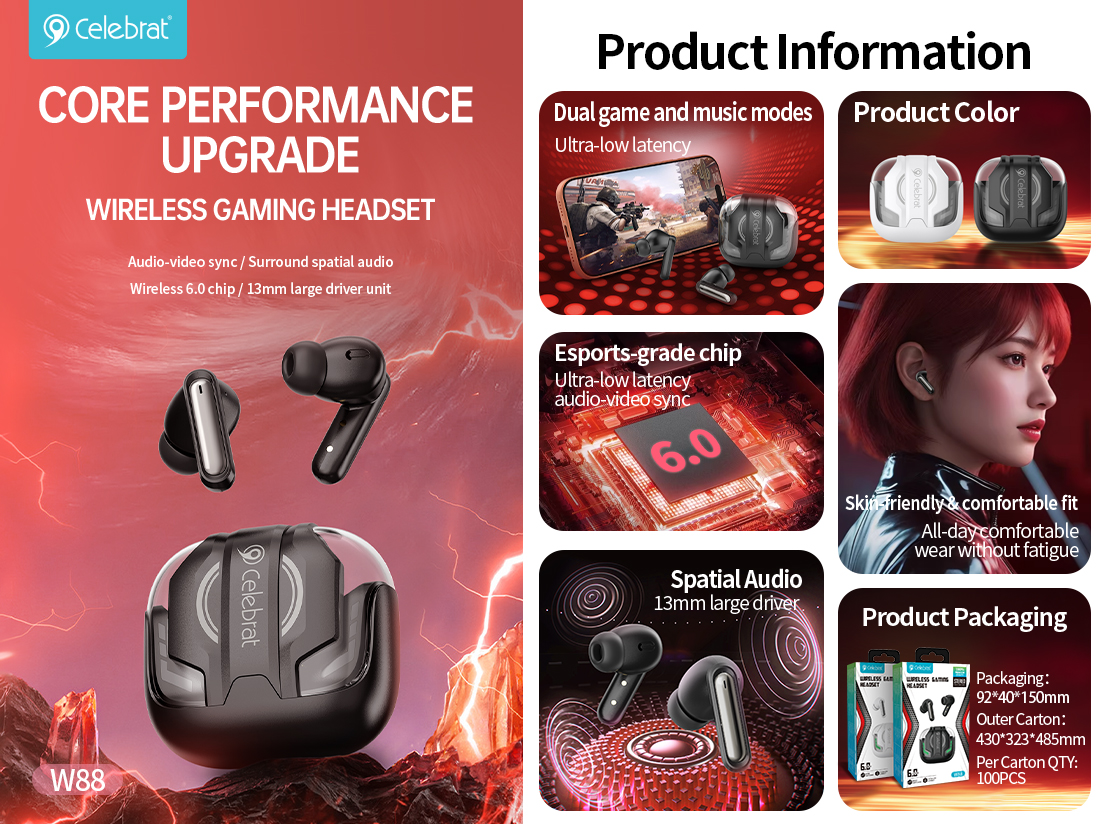
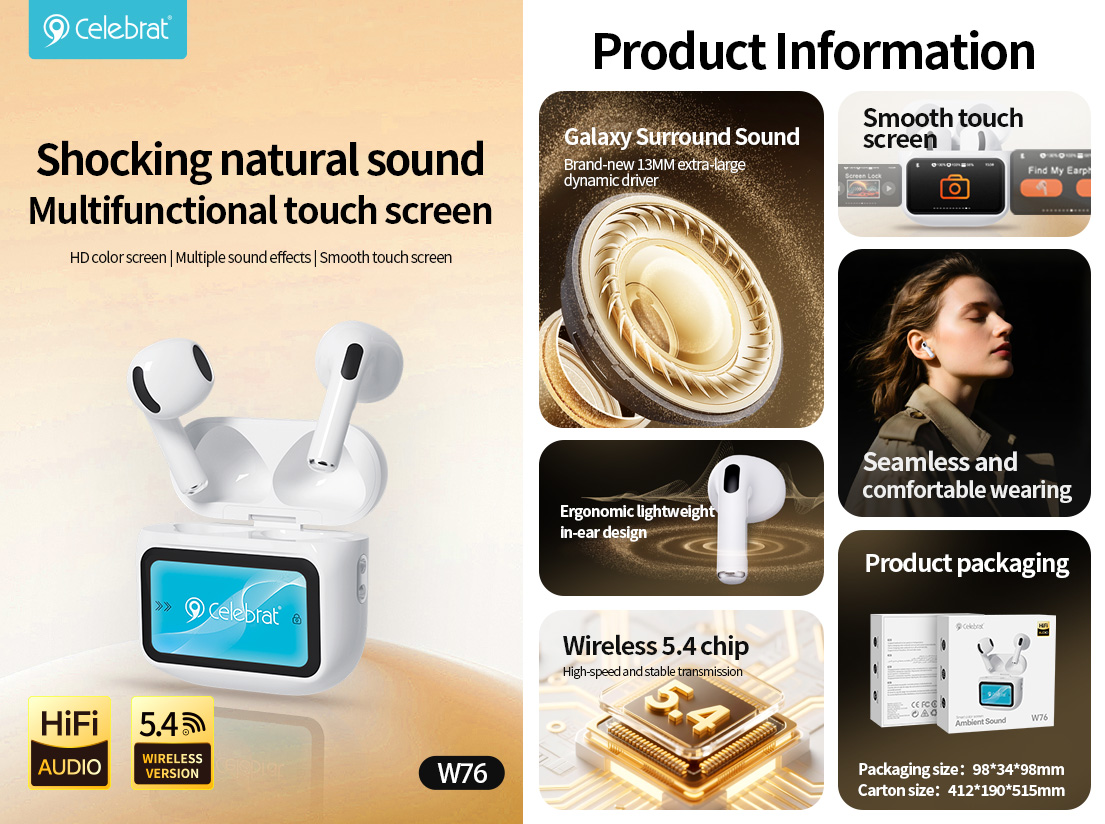
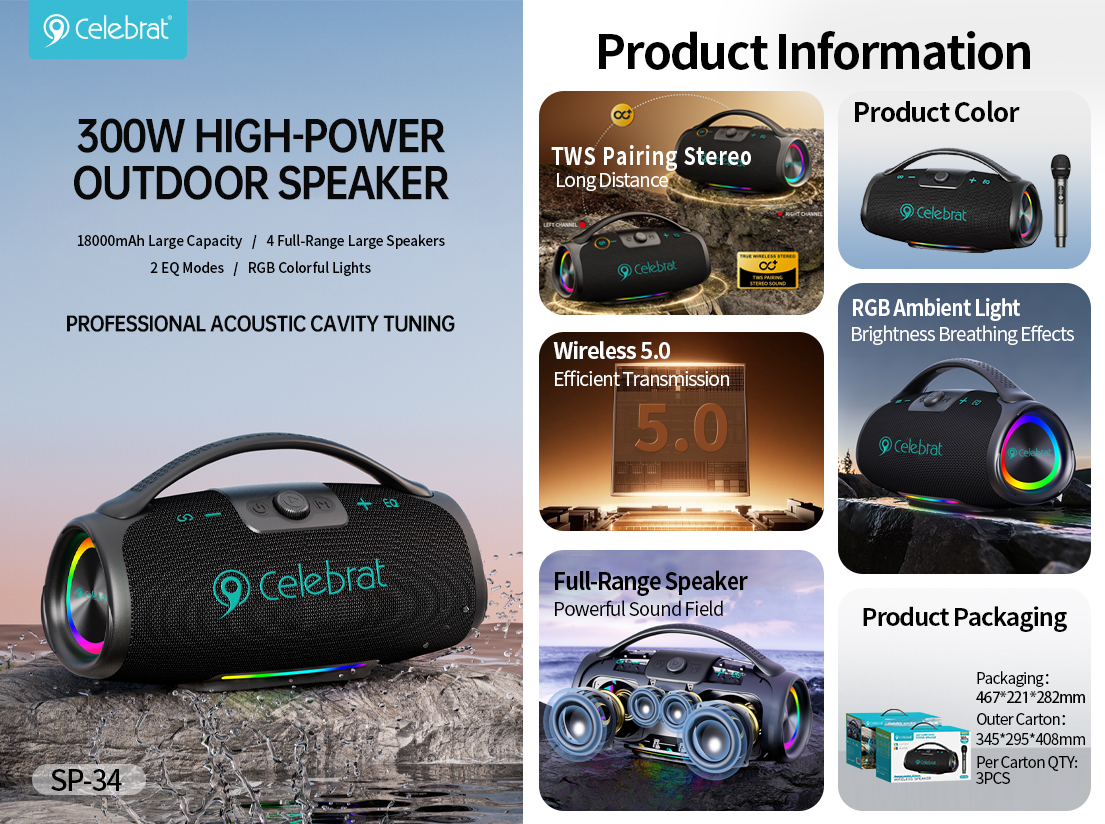
Celebrat W86 clip-on TWS, W88 gaming TWS (100ms ultra-low latency, game/music/call three modes), and W76 TWS with a color-display charging case cover several confirmed scenarios: commuting, gaming, and sports. SP-34 outdoor speaker delivers 300W power and an 18000mAh battery, targeting peak-season gifting and high-ticket outdoor use. Wired earphones are kept in stock as stable basic sellers. CE/FCC/RoHS documentation is available with shipment, low MOQ, so you don’t have to wait for certification while peak-season shipping windows slip.
Car Accessories Line: Magnetic Mounts Are Moving, and the UL2089 Report Can Be Provided at PI Stage
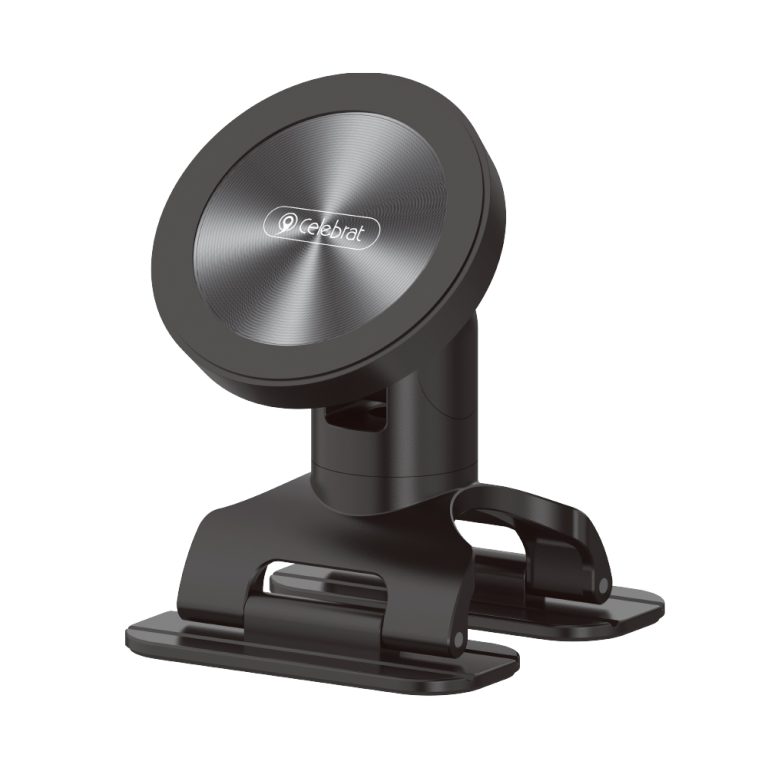
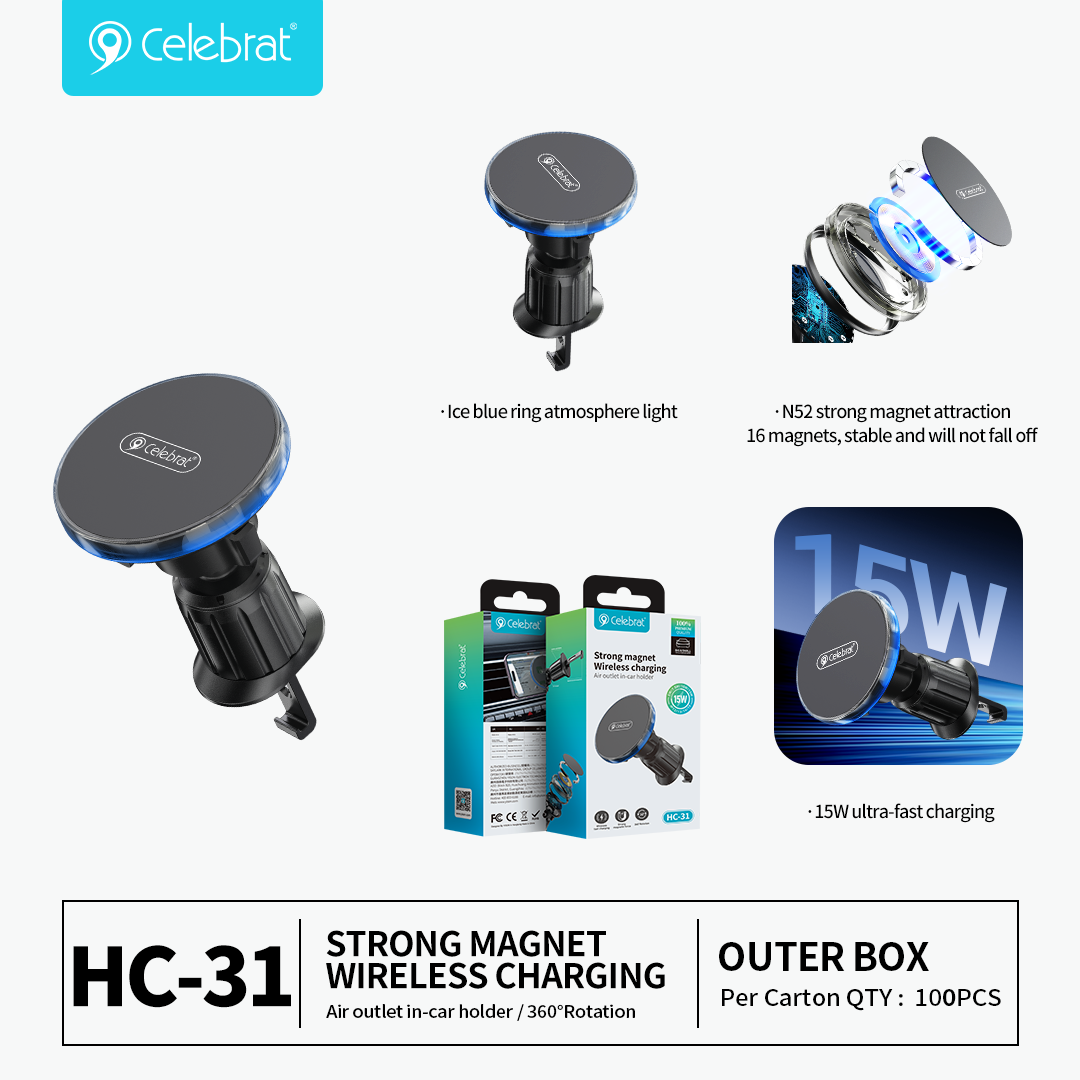
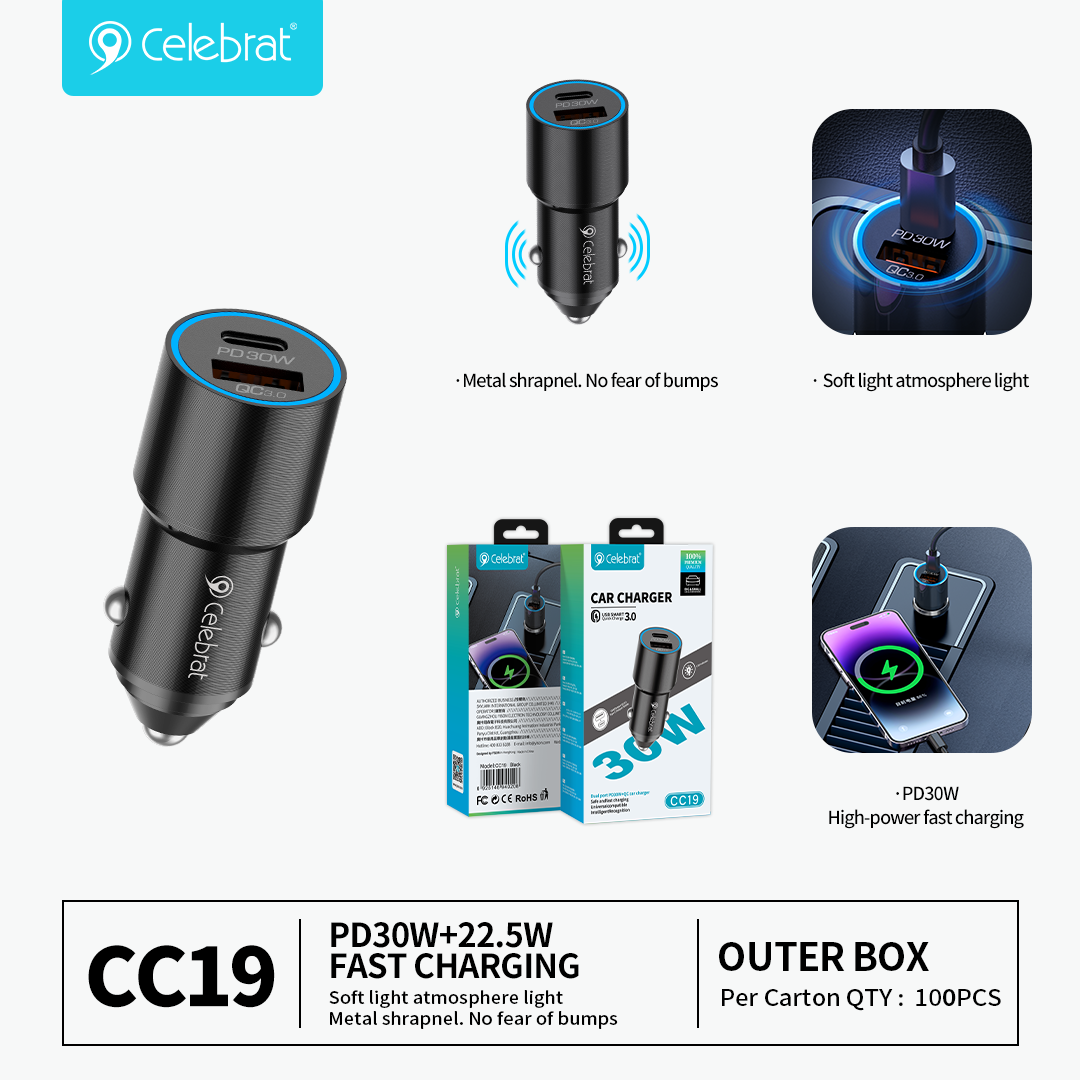
HC-31 magnetic wireless charging mount has 16 built-in N52 magnets, instant attach-and-charge for iPhone 12–15, with an ice-blue ring light and 360° rotation — retail-proven selling points. HC-44 multi-joint mount covers navigation needs from phones to large tablets. CC-19 car charger is designed for cigarette-lighter scenarios. The first question to ask about car chargers: Is the UL2089 report ready, or will it be sent for testing after the order? YISON’s answer comes at PI stage, not just before listing.
Charging Line: GaN and Cables — Certified Stock Is Worth More Than a Lower BOM Price
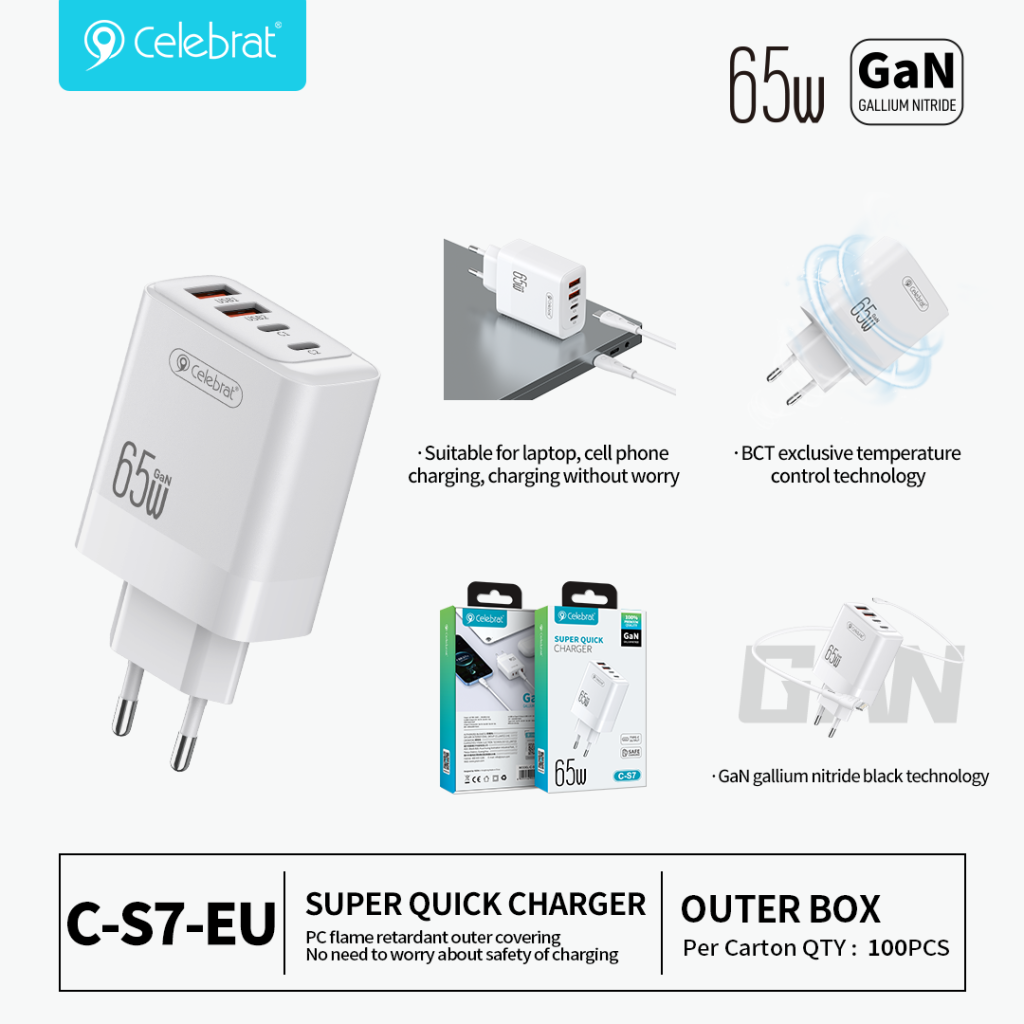
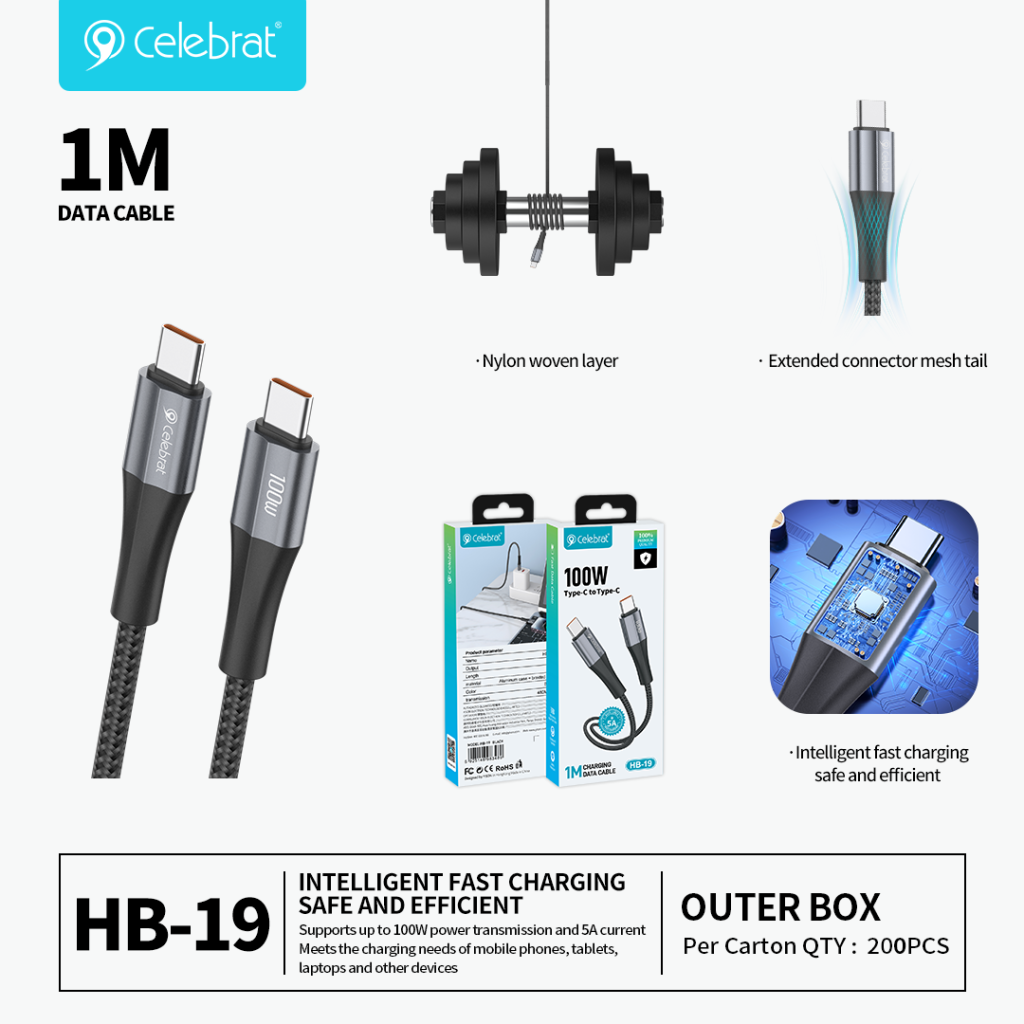
C-S7 65W GaN, C-D04 30W dual-port GaN, and CD-03 30W PD/PPS fast charger cover the in-stock price range from entry-level to mid-to-high power. HB-19 and other data cables ship steadily long term, with certification documents included. We are not asking you to open new molds in peak season — we are helping you drop SKUs with proven certification and mass production directly into your assortment.
Why YISON × Celebrat, Not “Just Another Factory”
YISON only does its own brands, YISON and Celebrat, with no mixed-line OEM for miscellaneous brands. The certifications, quality control, and lead times you get come from a brand partner with 28 years of manufacturing, 100+ long-term best sellers, and a rhythm of 15+ new products per month.
One order locks in three lines — audio, car accessories, and charging — reducing your own inventory fragmentation and marketing costs.
About the author CELEBRAT Brand Operations Officer — the byline of the brand operations function at CELEBRAT, the mobile accessories brand of Guangzhou Yison Electronic Technology Co., Ltd. Fifteen years in international trade and export sales, with the past three focused on brand operations and channel marketing for mobile accessories. Works directly with overseas distributors, importers, and retail chains on product positioning, distributor programmes, and market launch planning. The kit structure below is the one issued to distribution partners in that work.
Key takeaways
A sales kit is not a PDF catalogue. It is the answer set to the eight questions a dealer asks before placing a first order.
Build three versions, not one: a quick introduction, a wholesale buyer kit, and a distributor partnership kit. Sending the full pack to a new lead slows the deal down.
Every element should pass one test: can the dealer forward it without calling you first? If not, it is not finished.
Consistency beats completeness. A smaller kit that never contradicts itself outperforms a large one where the website, the catalogue, and the rep disagree.
Version control is the part everyone skips — and the part that quietly destroys credibility.
A mobile accessories dealer sales kit is a structured set of commercial and product materials — brand introduction, catalogue, specification sheets, price list, media library, warranty terms, marketing assets, and a dealer presentation — that lets a distributor introduce a brand, answer a buyer’s questions, and move that buyer to a first order without improvising.
A distributor approaching a new retailer or wholesaler usually leads with price. Price is also the least interesting thing in the conversation, because every competitor at that table has a price.
What the dealer is actually doing is assessing risk. Switching to an unfamiliar brand means tying up working capital, giving up shelf space, and putting their own reputation behind a product they have not sold before. The kit either reduces that perceived risk or it does not.
Which is why the useful question is not “what should we put in the kit”, but “what would make a cautious buyer comfortable”. Those two questions produce very different documents.
Why Does the Sales Kit Decide Whether a Dealer Even Replies?
Because most first-contact materials fail on the same six points: they answer price, and nothing else. A dealer who cannot find an answer to “what happens if it breaks” or “will you still supply me in month four” will not ask — he will simply not reply.
Map the kit to the questions rather than to the departments that own the assets:
The dealer’s real question
What answers it
Where it lives in the kit
Who is behind this brand?
Legal entity, operating history, category focus
Brand introduction
Do you have what my customers buy?
Category coverage, model depth
Product catalogue
What is actually different between these two models?
Comparable specification fields
Specification sheets
What will it cost me, and can I start small?
Tier pricing, MOQ, terms
Price list and ordering path
Can I sell it without inventing my own content?
Photos, video, comparison graphics
Media library
What happens when a unit fails?
Written warranty process
Warranty and after-sales
Can you help me launch it locally?
Available marketing assets, stated precisely
Marketing materials
Is this a real partnership or a one-off sale?
Territory, support, review terms
Dealer presentation
Note that only two of the eight are about price and product. The other six are about risk and continuity — which is what a serious buyer is actually weighing.
What Are the Ten Components of a Dealer Sales Kit?
There are ten components, and they serve three functions: establish credibility, make the product understandable, and make buying easy. A kit that covers the first two but not the third produces interest without orders.
#
Component
Function
Who usually owns it
1
Brand introduction
Credibility
Brand / supplier
2
Product catalogue
Findability
Brand / supplier
3
Specification sheets
Comparability
Brand / supplier
4
Price list and ordering path
Purchase decision
Distributor
5
Photos and video
Resale enablement
Brand / supplier
6
Warranty and after-sales
Risk reduction
Distributor
7
Marketing materials
Local launch
Brand / supplier
8
Dealer presentation
Partnership conversation
Distributor
9
Three kit versions
Efficiency
Distributor
10
Version control
Credibility maintenance
Distributor
The ownership column matters more than it looks. Components 1, 2, 3, 5, and 7 should come from the brand — a distributor rebuilding them locally is how inconsistencies enter the network. Components 4, 6, 8, 9, and 10 are the distributor’s own work, because they depend on local pricing, local law, and local relationships.
1. Brand Introduction: Who Is Behind the Product?
State the legal entity, the operating history, and the category focus — in that order. A dealer’s first risk calculation is whether the supplier will still exist when the warranty is claimed.
Field
What to state
The common mistake
Brand name
Official name and positioning
Using a trading name that does not match the invoice
Legal entity
Company that owns the brand
Omitting it, so the dealer cannot verify anything
Operating history
Year of entry into the category
Confusing “brand launched” with “company founded”
Category focus
Audio, charging, cables, wearables, protection
Claiming every category equally
Business model
Wholesale, distribution, retail, OEM
Leaving the dealer to guess your role
Contact
Website, business email, WhatsApp
A personal social account as the only channel
The credibility rule: every sentence should be checkable by a stranger in under two minutes. “The parent company entered the mobile accessories industry in 1998 and the brand launched in 2017” is checkable. “The world’s leading brand” is not, and experienced buyers read it as a warning sign rather than a claim.
One page. If the introduction needs three pages, it has stopped being an introduction and become a company brochure, which is a different document with a different job.
2. Product Catalogue: Can a Dealer Navigate It in 60 Seconds?
Organise by category, because that is how a dealer thinks about their own shelf — not by internal product line or by launch date.
Wall chargers, car chargers, power banks, charging accessories
Cables
USB-A, USB-C, Lightning, multi-purpose cables
Smart wearables
Watches, bands, and related products
Protection and lifestyle
Cases, screen protection, and other current categories
Each entry needs eight fields: model number, product name, clean image, available colours, key specifications, main functions, packaging details, and a link to the product page or an inquiry route.
Do not put more than six models on a page. The instinct is to demonstrate range; the effect is to make comparison impossible, and a buyer who cannot compare will ask for a price list and stop reading.
Offer two formats. A complete catalogue for buyers evaluating the whole relationship, and category-specific extracts for buyers who already know what they want. An audio wholesaler should not have to download a 90-page file to find eight earphone models — and in practice, he will not.
3. Specification Sheets: Can a Buyer Compare Without Asking You?
Give every model in a category the same fields in the same order. Uniformity is what creates comparability; a beautifully designed but inconsistent sheet is worse than a plain one, because it suggests the information cannot be trusted.
Category
Standard fields
TWS earphones
Model · connection version · battery capacity (bud + case) · driver size · playtime · call time · charging time · charging interface · verified features
Chargers
Model · output power · port count and type · supported protocols · input range · compatibility
Cables
Model · connector type · length · supported charging power · data-transfer spec
Speakers
Model · output power · battery life · connection options · use scenario
The test that settles it: can you send this sheet to a buyer and never have to correct it afterwards? If a number on the sheet is copied from a previous generation, or is a “typical” rather than a tested figure, it will come back as a return, a complaint, or a dealer who stops trusting your documents.
Two rules worth writing into the template:
Any field you cannot verify stays blank. A blank field invites a question; a wrong field creates a liability.
State test conditions for battery and playtime figures. “8 hours” means nothing without “at 60% volume”; with the condition stated, it becomes a specification.
4. Price List and Ordering Path: Is Buying Easy to Understand?
A price list should answer “what will this cost me at my volume” — not “what is the lowest number we have ever offered”.
Field
Why it belongs
Model and description
Matching the catalogue exactly, same model codes
Available colours
Prevents an order that cannot be fulfilled
Wholesale price
Per tier, not one universal number
Minimum order quantity
Per model and per order
Packaging
Inner and outer carton quantities
Price validity
A date, not “subject to change”
Currency and trade terms
FOB, CIF, EXW — stated explicitly
Tier qualification
What the buyer must do to reach the next tier
Keep tier versions separate. A distributor price list sent to a retailer destroys the retailer’s margin and your credibility in the same email. Maintain distinct documents per customer level, and treat the highest tier as confidential by default rather than by request.
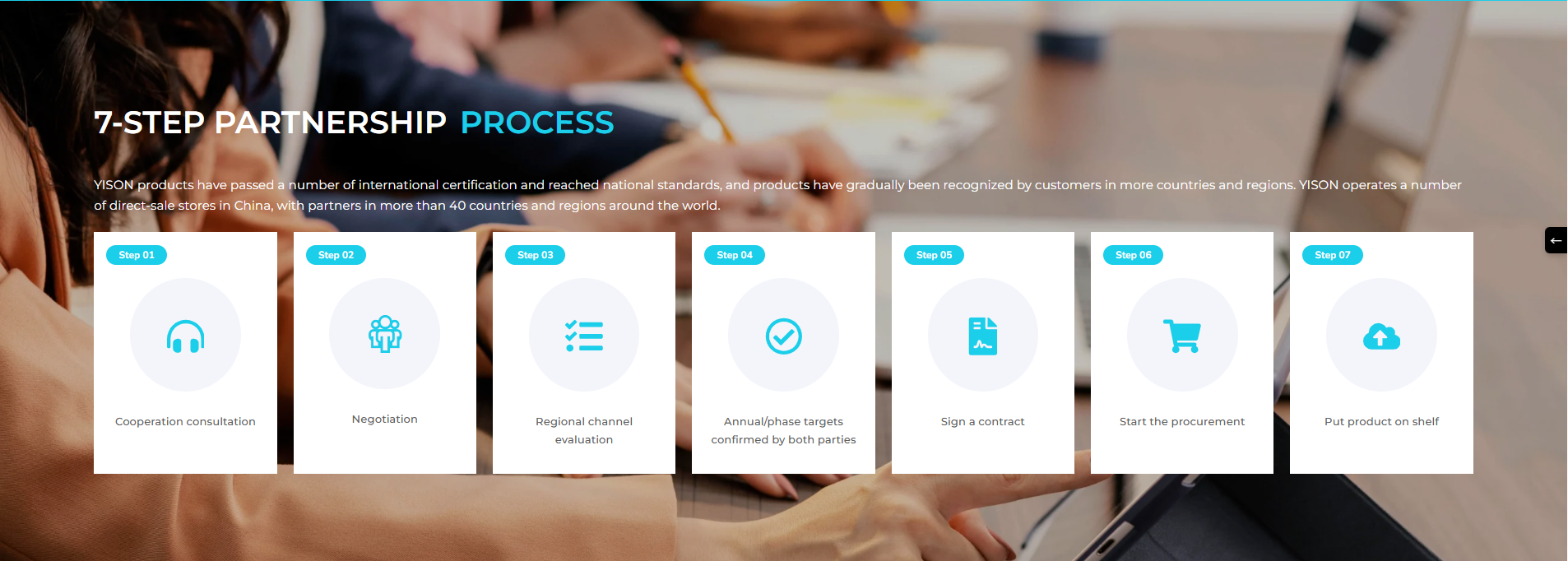
Make the ordering path explicit, because ambiguity here is where deals quietly die:
Dealer selects models and quantities.
Specifications and colours are confirmed in writing.
Distributor issues a quotation or proforma invoice.
Payment terms are confirmed.
Production or stock allocation is scheduled.
Shipping details and documents are confirmed.
Goods arrive with after-sales instructions attached.
If you are selling through both online and offline partners, the tier structure has to survive contact with channel conflict. The companion guide on online and offline channel conflict covers pricing architecture, territory rights, and how to keep one price list from becoming three.
5. Photos and Video: What Can the Dealer Actually Reuse?
Treat media as a resale tool, not brand decoration. A retailer who has to photograph the product himself will either do it badly or not list it at all — and either outcome costs you the sale.
Asset
Minimum specification
Product photos
Front, side, detail, packaging, and one in-use shot; consistent background
Product video
15–30 seconds showing the product in operation
Feature graphics
Key functions as a single readable image
Packaging images
Retail box plus everything in it
Usage video
Wearing, pairing, charging, or operating steps
Social assets
Vertical short video and square promotional images
Name files so a stranger can find them.W83-TWS-Front-View.jpg works; IMG_4471.jpg does not. Organise by model, keep the naming convention identical across every model, and the dealer’s filing problem disappears.
State the usage rights in writing. Tell dealers explicitly that they may use the supplied assets for promoting the brand’s products, and whether they may modify them. A dealer who is unsure about rights will use a competitor’s image instead — and then neither of you controls what appears on the listing.
6. Warranty and After-Sales: What Happens When It Fails?
A dealer will test an unfamiliar brand, but only if the failure case is defined. Vagueness here is the single most common reason a trial order never becomes a second order.
State, in one page:
Warranty period, and whether it runs from invoice or from retail sale
What is covered, and the specific exclusions
What the dealer must supply: order number, model, photos, video, batch code
How a claim is submitted, and to whom
The evaluation timeline, in working days
What the resolution options are: replacement, credit, or repair
Who pays freight on a valid claim
Clear process beats generous promise. “All problems solved immediately” reads as inexperienced. “Claims assessed within 5 working days of receiving photos; replacement shipped with the next order; freight covered on confirmed defects” reads as a supplier who has done this before.
Prepare a simplified version for downstream retailers. The dealer will forward it — and if what they forward contradicts your master policy, you have created a dispute with your own document.
7. Marketing Materials: What Can the Dealer Actually Use?
List what exists, precisely, and how to request it. A broad offer of “full marketing support” is worth less than five specific, deliverable assets.
Official logo files, in the formats a print shop needs
Brand introduction, short and long versions
Product launch posters
Seasonal promotional templates
Social media images and short video clips
Product comparison charts
Approved advertising copy
In-store display materials
Do not promise advertising budgets, free fixtures, or co-funded campaigns unless they are confirmed in the cooperation agreement. A promise made in a sales conversation and absent from the contract is the fastest route to a resentful dealer — and it will be quoted back to you at the first review.
For the in-store subset of these materials — zoning, comparison cards, and shelf placement — the guide on mobile accessories retail display covers how dealers should actually deploy them.
8. Dealer Presentation: How Do You Turn a Catalogue Into a Conversation?
A catalogue describes products. A presentation describes a business proposition. Larger buyers need the second one, and it should run to eight slides, not forty.
Slide
Content
1
Brand and company introduction
2
Positioning and target customer groups
3
Category coverage
4
Representative models with the differentiator stated
5
Quality and supply capability
6
Cooperation model: territory, terms, expectations
7
Marketing and after-sales support
8
Ordering process and immediate next step
Use different versions by buyer type. A wholesaler wants assortment, purchase conditions, and supply reliability. A prospective country distributor wants territory, market-development expectations, investment, and a review mechanism. Sending the distributor deck to a wholesaler signals that you have not thought about his business — and he will notice within the first two slides.
9. How Many Kit Versions Do You Need?
Three. One version for everyone guarantees that every buyer receives either too much or too little, and both outcomes cost you momentum.
Version
Buyer
Contents
Quick introduction
New leads, small retailers
Brand intro, 10–15 selected models, contact route
Wholesale buyer kit
Wholesalers, established retailers
Full catalogue, specification sheets, price list, ordering path, warranty terms
Distributor partnership kit
Prospective country or regional distributors
Company profile, dealer presentation, full portfolio, distribution terms, support commitments, territory discussion
The practical rule: send one level up from where the buyer currently is. A social media lead gets the quick introduction plus an invitation to a call. A distributor who asks about exclusivity has already told you which version he needs.
10. How Do You Stop the Kit Going Stale?
Assign one owner, one version number, and one review date per document. Kits do not fail dramatically; they fail by drifting — a price list from two quarters ago, a specification copied from the previous model, a warranty policy that no longer matches what operations actually does.
Material
What to update
Trigger
Brand profile
Company facts, positioning
Annual
Product catalogue
New and discontinued models
Every launch
Specification sheets
Any technical change
On change
Price list
Prices, tiers, validity
Monthly, or on change
Product images
Packaging and appearance changes
On change
Warranty guide
Actual after-sales process
On process change
Dealer presentation
Cooperation terms, support
Quarterly
The rule that prevents most problems: every file carries a version number and a date in the filename, and only the current version is distributed. When a specification changes, issue it as a dated revision to every channel on the same day — not to whoever asks.
One visible detail matters more than it should: delete or archive the old versions from wherever dealers download them. A live link to a superseded price list will be found, and it will be used.
Why Does Consistency Matter More Than Completeness?
Because inconsistency damages credibility faster than incompleteness does. A missing document makes you look incomplete; a contradicting document makes you look unreliable.
Gartner’s 2025 survey of 632 B2B buyers found that 69% report inconsistencies between information on the supplier’s website and information provided by sellers. That figure comes from a general B2B buying study, not from accessories distribution — but the exposure is worse in this industry, because one specification lives in five places at once: the brand site, the distributor’s catalogue, the dealer’s product card, the marketplace listing, and the sales rep’s memory.
The same principle applies to the sales process itself. Norwest’s 2025 B2B Sales & Marketing Benchmark Report — 177 sales and marketing leaders at VC- and PE-backed B2B companies, fielded July–August 2025 — found that 66% of organisations are standardising processes and playbooks to improve seller productivity, more than any other tactic listed, ahead of adjusting compensation (41%) and rebalancing territories (32%).
A dealer sales kit is exactly that: a playbook. Its value is not that it contains more information, but that everyone gives the same answer — the website, the catalogue, the distributor, and the rep.
Scope caveat: the Norwest sample is VC- and PE-backed B2B companies in North America and Israel, not distributors of mobile accessories; the Gartner figure concerns B2B buying generally. Neither measures this industry. They are cited because the underlying mechanism — standardisation reduces variance, and variance destroys trust — transfers, even though the percentages do not.
Sales Kit Checklist Before You Approach a New Dealer
Brand introduction with legal entity and verifiable history
Product catalogue organised by category, six models maximum per page
Specification sheets with identical fields across every model in a category
Price list with tier, MOQ, currency, trade terms, and a validity date
Separate price versions per customer level
Ordering process documented in seven steps
Media library with consistent file naming and stated usage rights
Warranty and after-sales policy with timelines, not adjectives
Marketing asset list with a documented request route
Dealer presentation adapted to buyer type
Three kit versions prepared
Version numbers and dates on every file, old versions removed
How Can CELEBRAT Support a Distributor’s Product Presentation?
Most of the kit should come from the brand, because the brand controls the facts. A distributor who rebuilds specification sheets locally will eventually produce a version that contradicts the official one — and that is the exact failure the research above measures.
CELEBRAT is a mobile accessories brand under Guangzhou Yison Electronic Technology Co., Ltd. The parent company entered the mobile accessories industry in 1998, and CELEBRAT was introduced in 2017 as part of its brand development strategy.the range covers more than 20 product categories with over 200 new products introduced annually, including audio, charging, data cables, smart wearables, and protection products.
For a distributor assembling a kit, that coverage affects four components directly:
Catalogue structure — enough categories to build one coherent document instead of stitching together several suppliers’ files.
Specification consistency — a single product range means one specification convention, so sheets across categories look and behave the same way.
Media library — imagery produced for the brand can be reused for dealer print, marketplace listings, and social content without re-shooting.
Version control — one supplier updating one master, rather than reconciling three suppliers’ revision cycles.
Before building local materials, confirm with the CELEBRAT team: the current approved catalogue, model specifications, pricing structure, availability, warranty arrangements, and which marketing assets are released for distributor use.
What is a mobile accessories distributor sales kit?
A structured set of commercial and product materials — brand introduction, catalogue, specification sheets, price list, media library, warranty terms, marketing assets, and a dealer presentation — that lets a distributor introduce a brand, answer a buyer’s questions, and move that buyer to a first order without improvising.
What should a mobile accessories wholesale catalogue include?
Product categories, model numbers, clear images, available colours, key specifications, main functions, packaging details, and a link to the product page or inquiry route. Keep it under six models per page so comparison stays possible, and offer category-specific extracts alongside the full catalogue.
Should distributors send the full catalogue to every prospect?
No. A quick introduction with 10–15 selected models suits new leads; a full wholesale kit suits established buyers; a partnership kit suits prospective regional distributors. Sending one level up from where the buyer currently is keeps momentum without wasting their attention.
Why are specification sheets more important than the catalogue?
The catalogue tells a buyer what exists; the specification sheet lets them decide. Uniform fields across every model in a category make comparison possible without a phone call, and accurate figures prevent returns, complaints, and dealers who stop trusting your documents.
What marketing materials should a brand provide to distributors?
Approved logo files, brand introduction, product and seasonal posters, social images, short video clips, comparison charts, approved advertising copy, and in-store display materials. List exactly what exists and how to request it — a specific list of five assets beats an open promise of “full marketing support”.
How often should a distributor update its sales kit?
Set a trigger per document rather than one blanket schedule: price list monthly or on change, catalogue at every launch, specification sheets on any technical change, warranty guide whenever the actual process changes, and the dealer presentation quarterly. Every file should carry a version number and a date.
Why does an outdated price list matter so much?
Because it is the fastest way to lose a dealer’s trust. A superseded price list that is still downloadable will be found and used, and the resulting argument about “the price you sent me” costs more than the margin on the order. Remove old versions from every download location, not just the newest one.
Conclusion: The Kit Is the Sales Process, Written Down
A dealer sales kit is often treated as a marketing deliverable — something produced once, shared at trade shows, and never opened again. In practice it is the sales process in document form, and it is the only part of the process that works when nobody from your team is in the room.
Three tests separate a kit that sells from a kit that merely exists:
Can the dealer forward each element without calling you first? If not, it is not finished.
Does every document agree with every other document? If not, the disagreement will be discovered by a buyer, not by you.
Is it current? A kit is not a project with an end date; it is a maintained asset with an owner and a review cycle.
For distributors, this is also one of the cheapest competitive advantages available. Any rival can match a price. Very few will match a kit that answers every question before it is asked.
Looking for a brand that supplies the material as well as the product?
Review the CELEBRAT range across audio, charging, cables, wearables, and protection, and ask the team which catalogue, specification, and marketing assets are released for distributor use.
Data note: the Gartner study concerns B2B buying across industries; the Norwest sample is VC- and PE-backed B2B companies in North America and Israel. Neither measures mobile accessories distribution. They are cited as evidence that information inconsistency damages buyer trust and that process standardisation is the most widely adopted productivity tactic — not as a promised sales uplift from any particular kit.