TWS Earbuds vs. Headphones vs. Bluetooth Speakers: A Wholesale Buying Guide for Distributors and Retailers

For mobile accessories wholesalers, distributors, and retailers, choosing the right audio products is not simply about following the latest trend. The real challenge is finding products that match local customer demand, fit the target price range, sell through at a reasonable pace, and generate repeat orders.

Should you prioritize TWS earbuds, wireless headphones, or Bluetooth speakers?

The practical answer: start with the category that matches your existing customer base, then build a balanced audio portfolio instead of relying on a single product type.

This guide compares the three categories using published industry data, real CELEBRAT product examples, and practical wholesale purchasing considerations. It is written specifically for distributors, agents, and wholesale buyers who need to make sourcing decisions that protect margin, reduce inventory risk, and support long-term channel growth.

1. What Does the Latest Market Data Tell Audio Buyers?

According to Omdia’s December 2025 market update, global true wireless stereo (TWS) shipments reached 92.6 million units in Q3 2025. Within that total, conventional TWS shipments were 82 million units, while open wireless stereo (OWS) shipments exceeded 10 million units, growing 69% year over year.

The figures show two important developments: TWS remains a large-volume category, and alternative open-ear designs are becoming increasingly relevant. However, total TWS shipment growth was modest in the quarter, so wholesalers should not assume every model will sell quickly.

Source: Omdia — OWS Crosses 10-Million-Unit Milestone

The Bluetooth Special Interest Group’s 2025 market update, citing ABI Research, projected that annual Bluetooth device shipments would exceed 5.3 billion units in 2025 and approach 8 billion by 2029. This forecast covers Bluetooth-enabled devices broadly, not just audio products, but it demonstrates the wide ecosystem in which wireless accessories operate.

Source: Bluetooth SIG — 2025 Device Forecast

What this means for distributors and wholesalers: market size is useful, but it is not a purchasing plan. Local selling prices, competing brands, customer preferences, product quality, and replenishment lead times should determine your first order. As a distributor or agent, your priority is not to chase the biggest category, but to identify which models your downstream retailers can actually sell and reorder.

2. TWS Earbuds vs. Wireless Headphones vs. Bluetooth Speakers

Product categoryMain selling pointsPotential sales channelsKey purchasing consideration
TWS earbudsCompact, portable, convenient for everyday listening and callsMobile accessory shops, online stores, electronics retailersStrong competition, model differentiation, battery and connection quality
Wireless headphonesOver-ear comfort, larger drivers, suitable for longer listening sessionsElectronics shops, online sellers, students and gaming-oriented channelsComfort, sound quality, battery life and price positioning
Bluetooth speakersShared listening, portable entertainment and outdoor useElectronics retailers, gift shops, lifestyle stores and outdoor channelsOutput, battery performance, durability and portability

There is no universal winner. Each category serves different buying occasions and customer expectations. For distributors, the goal is to build an assortment that covers multiple price tiers and use cases without overloading inventory.

Option 1: TWS Earbuds — A Practical Core Category for Mobile Accessory Wholesalers

TWS earbuds are a natural fit for mobile accessory stores because they are portable, easy to display, and suitable for everyday use with smartphones and other compatible devices.

The category also offers multiple product tiers. Entry-level models can serve price-sensitive customers, while models with noise cancellation, gaming modes, open-ear designs, or distinctive charging cases can support more differentiated assortments. For distributors, this means you can offer your retail partners a clear price ladder rather than a single model.

For example, CELEBRAT’s portfolio includes:

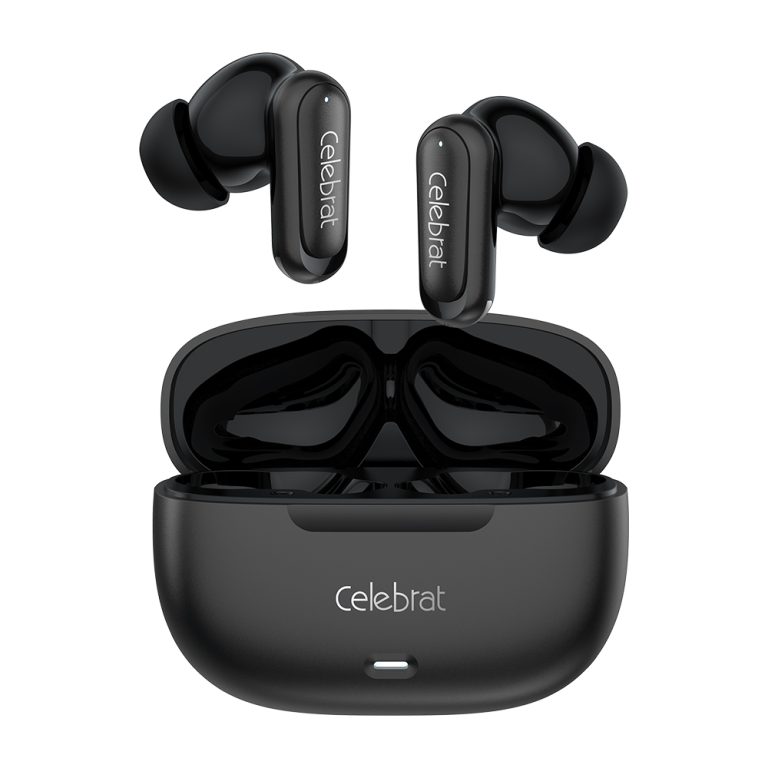
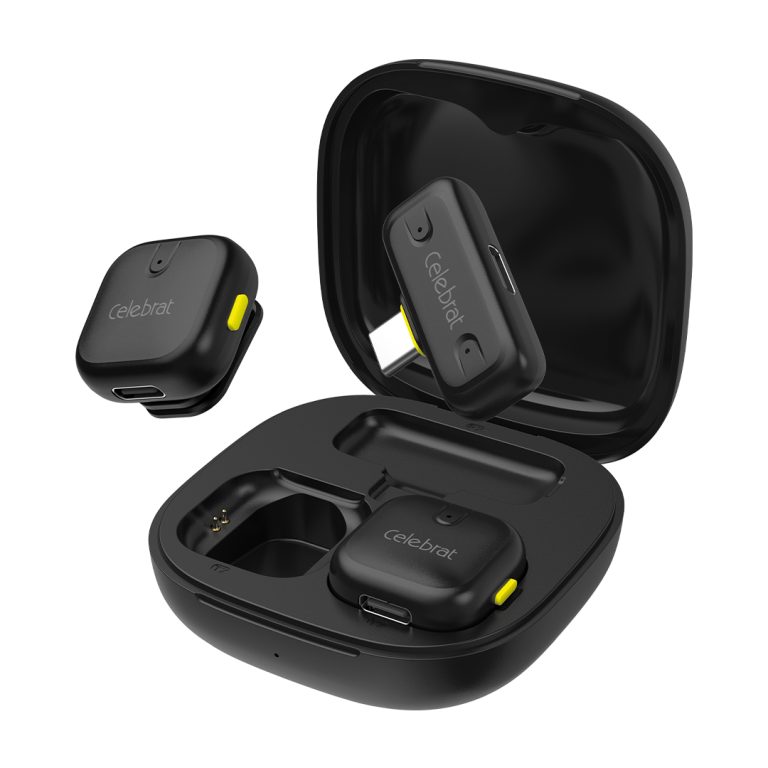
  • W83 TWS earbuds: ranked first in CELEBRAT’s published September 2026 brand-specific bestseller list.
  • W85 TWS earbuds: positioned with four-microphone ANC + ENC features.
  • W89 gaming TWS earbuds: promoted with Bluetooth 6.0 and a low-latency gaming mode.

Explore the CELEBRAT TWS earbud range.

Wholesale recommendation: consider TWS as a core category if your downstream retailers regularly purchase smartphone accessories. Start with a small number of clearly differentiated models rather than stocking many similar-looking products. This reduces the risk of cannibalizing your own sales and makes it easier for retail partners to understand the positioning of each SKU.

Before ordering, check real battery performance, microphone quality, charging-case reliability, compatibility, warranty handling, and local retail pricing. Features such as ANC should be verified against the product specifications and tested samples. As a distributor, you should also confirm the supplier’s ability to provide consistent quality across repeat orders and to support warranty claims in your market.

Option 2: Wireless Headphones — Build a Different Price Point and Use Case

Over-ear wireless headphones appeal to customers who prefer a larger earcup design, longer listening sessions, or a more substantial audio product.

They can complement TWS earbuds instead of competing with them directly. For example, a retailer may offer TWS earbuds for commuters and everyday mobile use, while positioning over-ear headphones for music, video, study, travel, or gaming. For distributors, headphones can help you serve retail partners who want to move up in price and differentiate from low-cost earbud sellers.

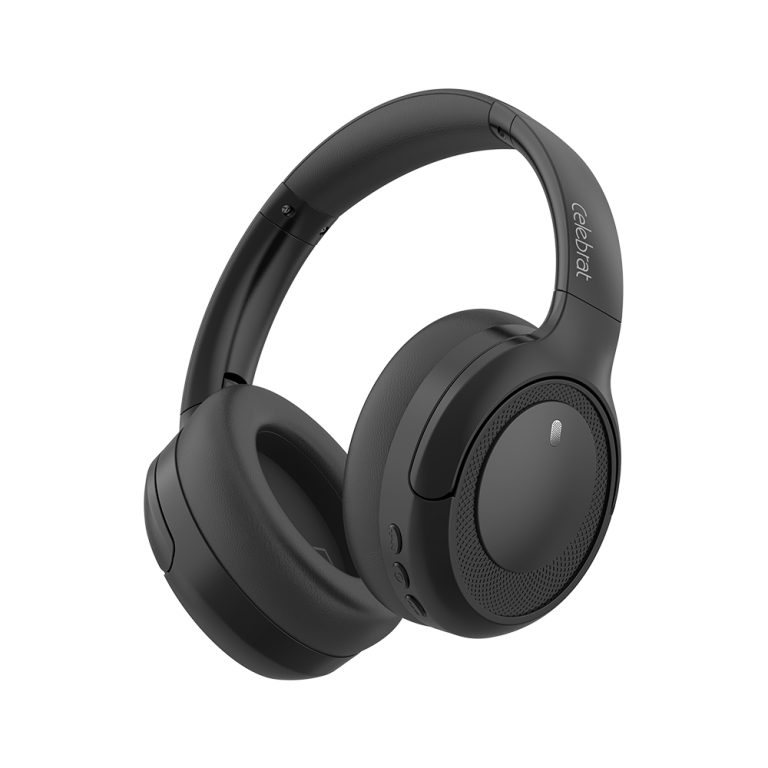
CELEBRAT’s current range includes the A49 ANC wireless headphones, listed with 40 mm drivers, active noise cancellation, and long-playback positioning. The A18 wireless headphones provide another example, with a 40 mm driver and an over-ear design.

View the CELEBRAT wireless headphone range.

Wholesale recommendation: add headphones when your retail customers want a broader audio assortment or when you have online channels that can communicate product features clearly. Headphones often require more explanation at the point of sale, so prioritize partners with staff training capability or strong product-detail content.

When comparing models, check headband comfort, earcup materials, actual playback time, microphone performance, packaging size, and the price gap between entry-level and feature-rich models. Packaging size also affects freight and storage costs, which matters for distributors managing warehouse space.

Option 3: Bluetooth Speakers — Add Shared-Listening and Lifestyle Products

Bluetooth speakers serve a different use case: listening with friends and family, playing music in a room, traveling, or enjoying outdoor activities.

They can help wholesalers expand beyond personal audio. Their retail appeal often depends on the combination of sound output, battery life, portability, appearance, and durability. For distributors, speakers can open doors to retail channels that earbuds alone may not reach, such as gift shops, lifestyle stores, and outdoor equipment retailers.

CELEBRAT lists Bluetooth speakers as a dedicated product category. Its brand information also highlights outdoor listening scenarios, including portable speakers with water-resistance positioning.

Explore the CELEBRAT Bluetooth speaker category.

Wholesale recommendation: consider speakers if your customer base includes electronics retailers, lifestyle stores, gift sellers, or shops serving outdoor and entertainment needs. Speakers are often seasonal, so plan order timing around local peak selling periods and avoid holding excessive stock after the season.

Before purchasing, verify the rated output, battery capacity, playback time at realistic volume levels, charging method, connectivity, and any advertised water-resistance rating. Confirm that product claims match the documentation and applicable testing. As a distributor, you should also clarify the supplier’s policy on defective units and spare parts before committing to volume.

3. Which Audio Category Should Your Business Prioritize?

Use your existing customer base and sales channels to guide your first purchase. The table below is designed for distributors, agents, and wholesalers evaluating their own position in the supply chain.

Your business situationSuggested starting pointWhy
Mobile accessory wholesaler serving many small retailersTWS earbuds firstDirect fit with everyday smartphone accessory shopping; high replacement demand supports repeat orders
Online seller with strong product-detail and video contentTWS plus selected wireless headphonesDifferent features and designs give you more ways to differentiate listings and appeal to different customer segments
Electronics distributor with a broad consumer-electronics rangeTWS, headphones and speakersA wider assortment can address more listening occasions and support retailers with different store formats
Retailer serving outdoor, gift or lifestyle customersBluetooth speakers plus portable earbudsCovers shared listening as well as personal audio; speakers often work well as gift and lifestyle items
New wholesaler with limited working capitalA few tested models across one or two categoriesLimits initial inventory exposure while testing demand and building confidence with retail partners

These are starting-point recommendations, not guaranteed sales outcomes. The right mix depends on your market, retail price points, competition, and customer feedback. Distributors should also consider their own warehouse capacity, cash flow cycle, and the minimum order quantities required by suppliers.

4. How Should Wholesalers Build a Balanced Audio Portfolio?

A practical approach is to organize products by customer need and price tier instead of simply choosing the newest models. For distributors and agents, a balanced portfolio should also make it easy for retail partners to buy, display, and reorder.

Step 1: Define three price positions.
Identify an entry-level option, a core mid-range option, and a differentiated model. Set the actual price bands using local competitor prices and your target customers’ budgets. A clear price ladder helps your retail partners position products without internal competition.

Step 2: Choose products with clear differences.
For example, one TWS model may focus on everyday value, another on ANC or call quality, and a third on gaming or an open-ear design. Avoid buying multiple models that offer nearly identical benefits unless customer demand justifies the overlap. Differentiation also makes it easier for sales teams to explain features to retailers.

Step 3: Calculate landed cost and margin.
Include the purchase price, freight, import duties, taxes, payment fees, local delivery, expected warranty costs, and channel commissions. Compare the resulting landed cost with realistic selling prices—not just the supplier’s quoted price. Distributors should also account for inventory holding costs and the cash conversion cycle.

Step 4: Test samples before scaling.
Evaluate sound, connection stability, microphone performance, battery life, charging, packaging, and defect rates. Gather feedback from actual target customers where possible. For distributors, it is equally important to test how the product performs after repeated charging cycles and how the supplier handles sample requests and technical questions.

Step 5: Reorder based on sell-through.
Track units sold, days in inventory, returns, gross margin, and replenishment lead time. Increase quantities only after the model demonstrates demand in your own channel. Encourage retail partners to share sell-through data so you can adjust your assortment and avoid stockouts or overstock.

5. Why Consider CELEBRAT for Wholesale Audio Sourcing?

CELEBRAT is a mobile accessories brand launched in 2017 under Guangzhou YISON Electronic Technology Co., Ltd. Its parent company’s history dates back to 1998, with experience in audio products and mobile accessories.

CELEBRAT serves customers in more than 150 countries and regions and works with distributors and partners across multiple markets.

Its product portfolio extends beyond audio to include charging accessories, protection, smart wearables, and lifestyle products. For wholesale buyers, this creates an opportunity to evaluate audio alongside complementary mobile accessories through one brand, which can simplify sourcing and reduce the number of suppliers to manage.

Reasons to evaluate CELEBRAT include:

  • Multiple audio formats: TWS earbuds, wireless headphones, sports earphones, wired earphones, and Bluetooth speakers.
  • Product differentiation: options with features such as ANC, gaming modes, open-ear designs, and different form factors.
  • Broader sourcing potential: audio can be combined with charging products and other mobile accessories when building a wider assortment for retail partners.
  • Distributor information: the brand provides a dedicated page for prospective wholesale and distribution partners.

Explore the full CELEBRAT product portfolio or review the CELEBRAT distributor partnership page.

Before signing a distribution agreement, request current quotations, product specifications, sample availability, applicable certificates, warranty terms, minimum order quantities, lead times, and any territory-specific conditions. Confirm all commercial terms in writing. Distributors should also clarify marketing support, product training materials, and after-sales procedures, as these directly affect your ability to support retail partners.

6. Frequently Asked Questions

Are TWS earbuds a good starting product for mobile accessory wholesalers?

They can be a practical starting point because they fit naturally into smartphone accessory retail. However, profitability depends on local demand, competition, product reliability, landed cost, and the supplier’s ability to replenish stock. Distributors should evaluate whether their retail partners already sell smartphone accessories and whether those retailers are willing to allocate shelf space to audio.

Should wholesalers buy TWS earbuds, headphones, and Bluetooth speakers together?

Not necessarily. Businesses with limited working capital should test a smaller selection first. Established distributors with broader retail coverage may benefit from carrying all three categories to serve different customer needs. The decision should be based on the number and type of retail partners you serve, not on category completeness alone.

What should I compare before choosing an audio supplier?

Compare product quality, current specifications, sample performance, pricing, minimum order quantities, production lead times, warranty procedures, documentation, packaging, and communication responsiveness. Ask for written terms before committing to a large order. For distributors, it is also important to assess the supplier’s consistency across repeat orders and its ability to support your market with certificates and after-sales documentation.

Does a large global market guarantee that a particular model will sell?

No. Global shipment figures provide market context, not a guarantee of local demand or profit. Test products in your own sales channels and use actual sell-through data to guide replenishment. Distributors should treat market data as a starting point for discussion with retail partners, not as a substitute for local testing.

Where can I explore CELEBRAT products for wholesale?

Visit the CELEBRAT product portfolio to review available categories, or use the distributor partnership page to learn more about cooperation.

Conclusion: Choose by Customer Demand, Not by Trend Alone

For many mobile accessory wholesalers, TWS earbuds are a logical core category. Wireless headphones can broaden the price range and listening experience, while Bluetooth speakers add shared-listening and lifestyle use cases.

The most effective assortment is not necessarily the largest one. It is the combination of products your customers understand, your channels can sell, and your supplier can support consistently. For distributors and agents, the goal is to build a portfolio that helps retail partners sell through, reorder, and grow—not just to fill a catalog.

Planning your next audio purchase? Explore the CELEBRAT audio portfolio and contact CELEBRAT about wholesale or distribution opportunities to discuss suitable models, sample testing, and purchasing requirements.

Sources and Further Reading

  1. Omdia — OWS Crosses 10-Million-Unit Milestone as TWS Market Pivots to Value Creation
  2. Bluetooth SIG — 2025 Market Update: Device Forecast
  3. CELEBRAT Official Brand Story
  4. CELEBRAT Product Portfolio
  5. CELEBRAT Distributor Partnership

How to Choose a Chinese Mobile Accessories Brand for Exclusive Distribution in 2026

Introduction: Choosing a Brand Is a Long-Term Business Decision

Becoming an exclusive distributor of a Chinese mobile accessories brand can create opportunities to build a local market, develop repeat customers, and establish a long-term wholesale business. However, exclusive distribution also involves financial commitments, inventory risks, and responsibility for brand development.

The key question is not simply which Chinese brand offers the lowest wholesale price. It is which brand can support sustainable sales in your target market.

According to the GSMA’s Mobile Economy 2026 report, mobile technologies and services generated $7.6 trillion in global economic value in 2025, equivalent to 6.4% of global GDP. This figure reflects the broader mobile ecosystem, not the mobile accessories market alone, but it demonstrates the economic significance of mobile connectivity.

For distributors, the opportunity lies in identifying products that meet local customer needs and working with a brand that can support consistent supply and long-term market development.

Here are seven practical steps to evaluate a Chinese mobile accessories brand before signing an exclusive distribution agreement.

1. Verify the Company’s Background and Business Experience

A brand’s website may look professional, but distributors should verify the company behind it before committing capital.

Start by checking:

  • Business history: When was the company established, and how long has it operated in mobile accessories?
  • Brand ownership: Does the company own the brand or have documented authorization to distribute it?
  • International experience: Does it have experience supplying overseas customers?
  • Product development: Can it demonstrate ongoing product development and quality management?
  • Business communication: Can the team provide clear quotations, product documentation, and answers to technical questions?

Company registration, trademark ownership, export experience, and relevant product certificates should be verified independently where possible.

Example: CELEBRAT

CELEBRAT was launched in 2017 by Guangzhou YISON Electronic Technology Co., Ltd. Its parent company, YISON, entered the mobile accessories industry in 1998.

According to the company’s official brand story, CELEBRAT products are sold in more than 150 countries and regions. Its portfolio includes audio, charging, protection, smart wearables, and lifestyle products.

These company-published details provide a starting point for evaluation. Prospective distributors should still request current company documents, product compliance records, and market-specific authorization terms before signing an agreement.

Learn more: CELEBRAT Brand Story

2. Evaluate the Product Portfolio Against Local Demand

A brand with many products is not automatically a good distribution partner. The important question is whether its products match the needs, purchasing power, and sales channels of your market.

Evaluate the following categories:

Product categoryExamplesWhat distributors should evaluate
AudioTWS earbuds, open-ear earbuds, headphones, speakersTarget retail prices, sound quality, design, and repeat demand
ChargingWall chargers, USB-C cables, power banksCharging compatibility, safety documentation, and price competition
ProtectionPhone cases, screen protection, related accessoriesDevice compatibility, model coverage, and inventory turnover
Smart wearablesSmartwatches and connected accessoriesLocal demand, feature expectations, and after-sales requirements
Lifestyle accessoriesMobile-related lifestyle productsCustomer fit, differentiation, and cross-selling opportunities

A diversified portfolio can help distributors serve different customer segments and reduce dependence on one product. However, it can also increase inventory complexity if too many models are purchased before demand is validated.

A practical approach is to start with a focused selection of products, test customer response, and expand the range based on sales evidence.

Explore the CELEBRAT Product Portfolio to review its available product categories.

3. Check Whether the Brand Has Products Worth Selling

Before choosing a brand, request samples and test the products yourself. Product photographs and specification sheets are not enough to establish real-world performance.

Evaluate:

  • Product quality and consistency between samples and production orders
  • Packaging, labeling, and suitability for local retail channels
  • Compatibility with common devices in your market
  • Battery performance, connectivity, and charging performance where applicable
  • Warranty terms, defect-handling procedures, and replacement arrangements
  • Availability of product images, videos, and marketing materials

For audio-focused distributors, compare different product formats instead of purchasing several models with nearly identical features.

CELEBRAT product examples

CELEBRAT’s published product range provides several options for evaluating different customer segments:

  • W83 TWS earbuds: A compact wireless audio product with a distinctive case design.
  • W86 OWS earbuds: An open-ear-style option for customers interested in alternative wearing designs.
  • W90 AI translation earbuds: A product positioned around AI-assisted translation.
  • W91 wireless earphones: A wireless audio model featuring four-microphone ANC/ENC functionality, according to its published product information.
  • A49 wireless headphones: An over-ear audio option featuring ANC and a 40 mm driver.
  • CB-42 charging cable series: A high-power USB-C cable product line.

These are examples of products to evaluate, not guarantees of sales performance in every country. Confirm current specifications, feature compatibility, certifications, prices, and availability directly with the brand.

See the official CELEBRAT product listings for more details.

4. Calculate the Real Profit Margin Before Placing an Order

A low factory price does not necessarily mean a profitable distribution business.

Your actual cost includes more than the quoted unit price. Depending on the destination and shipping terms, you may also need to account for freight, insurance, customs duties, import taxes, local delivery, warehousing, marketing, payment fees, and warranty costs.

Use this simple calculation:

Landed cost per unit = Product cost + Allocated shipping + Import costs + Other per-unit costs

Gross profit per unit = Net selling price − Landed cost per unit

Gross margin = Gross profit per unit ÷ Net selling price × 100%

For example, assume the following illustrative figures:

ItemAmount
Wholesale selling price$15.00
Product purchase cost$7.00
Freight and import costs per unit$2.00
Other direct costs per unit$1.00
Gross profit per unit$5.00
Gross margin33.3%

This example assumes the selling price excludes recoverable taxes and that all listed direct costs are included. It does not represent an actual CELEBRAT quotation or a guaranteed market margin.

You should also estimate operating expenses, customer credit terms, exchange-rate exposure, and the cost of unsold inventory. Gross margin is not the same as net profit.

Before signing an exclusive agreement, request a current price list, minimum order quantities, shipping terms, and a clear explanation of any price protection or discount policies.

5. Confirm What Exclusive Distribution Actually Means

The word “exclusive” can mean different things to different suppliers. Never assume that exclusive distribution automatically protects your entire country or prevents every other seller from selling the same products.

Ask the brand to clarify these points in writing:

  1. Territory: Which country, region, or city is covered?
  2. Sales channels: Does the agreement cover wholesalers, physical retail, e-commerce, marketplaces, and institutional customers?
  3. Existing customers: How will existing accounts and previously appointed distributors be handled?
  4. Performance requirements: Are minimum purchase volumes or sales targets required?
  5. Brand protection: What happens if the supplier appoints another distributor within the agreed territory?
  6. Pricing policy: How are wholesale prices, promotions, and price changes communicated?
  7. Term and renewal: How long does the agreement last, and what conditions apply to renewal?
  8. Termination and stock: What happens to remaining inventory if the agreement ends?

A strong agreement should define the rights, obligations, performance requirements, and remedies of both parties. Any exclusivity commitments should be documented and reviewed by a qualified legal professional familiar with the relevant jurisdictions.

What about CELEBRAT?

CELEBRAT invites overseas distributors and business partners to explore cooperation opportunities through its official distributor program.

Before investing in regional inventory or marketing, prospective partners should confirm whether their target territory is available, what exclusivity conditions apply, and what sales commitments are expected.

Visit the CELEBRAT Authorized Distributor Program to discuss the current terms.

6. Test the Supplier’s Delivery and After-Sales Capabilities

A distributor’s reputation depends on what happens after an order is placed. Delayed shipments, inconsistent product quality, and slow complaint handling can damage relationships with local retailers.

Before signing, ask the supplier:

  • What is the normal lead time for trial orders and repeat orders?
  • How are production delays or stock shortages communicated?
  • What product inspection and quality-control procedures are available?
  • What warranty period applies, and which defects are covered?
  • How are defective products documented and resolved?
  • Are replacement, credit, or other remedies available under the agreement?
  • Can the supplier provide updated specifications and marketing materials when products change?

Do not rely on verbal promises alone. Request written procedures and agree on practical response times and responsibilities.

For international orders, also clarify Incoterms, payment schedules, shipping documents, customs responsibilities, and the process for handling damaged or missing goods.

A supplier that communicates clearly and resolves problems consistently may be more valuable than one offering a slightly lower purchase price.

7. Start With a Trial Order Before Committing to Exclusivity

Even a well-established brand may perform differently across countries. Consumer preferences, purchasing power, competitor prices, import requirements, and retail channels vary significantly.

A trial order allows you to evaluate both the products and the supplier before making a larger commitment.

A practical validation process

Step 1: Define your target customers.

Identify whether you primarily serve mobile accessory shops, electronics retailers, online sellers, regional wholesalers, or a combination of channels.

Step 2: Select a focused product range.

Choose a manageable mix of products that covers your main customer needs without tying up too much working capital.

Step 3: Request samples and documentation.

Check product quality, packaging, compatibility, certifications, quotations, and delivery conditions.

Step 4: Run a market test.

Collect feedback from retailers and customers. Record actual selling prices, sales volume, returns, and customer objections.

Step 5: Review the results.

Calculate the realized gross margin and inventory turnover. Identify the products that deserve replenishment and those that need to be discontinued.

Step 6: Negotiate the distribution agreement.

Use your sales results to discuss territory, purchase targets, marketing support, payment conditions, and future expansion.

Do not commit to an aggressive minimum purchase volume until you understand local demand and your own inventory capacity.

A Brand Evaluation Checklist for Exclusive Distributors

Use the following checklist to compare potential Chinese mobile accessories brands before making a decision.

Evaluation factorQuestions to askEvidence to request
Company backgroundIs the business established and verifiable?Registration and company profile
Brand ownershipWho controls the brand and distribution rights?Trademark or authorization documents
Product fitDo the products suit local demand?Samples, specifications, trial sales
ProfitabilityCan the products support sustainable margins?Price list and landed-cost calculation
Supply reliabilityCan repeat orders be fulfilled consistently?Lead times, stock information, order history where available
Exclusive rightsIs the territory and channel scope clearly defined?Written distribution agreement
After-sales supportHow are defects and complaints resolved?Warranty policy and service procedures
Marketing supportCan the brand help you generate demand?Product images, videos, catalogs, and promotion plans
ComplianceCan the products meet destination-market requirements?Applicable test reports, certificates, and labeling documents

The best partner is not necessarily the biggest brand or the cheapest supplier. It is the one whose products, commercial terms, operational capabilities, and long-term goals fit your business.

Why Consider CELEBRAT for Your Mobile Accessories Distribution Business?

For wholesalers and distributors seeking a multi-category mobile accessories brand, CELEBRAT is one option worth evaluating.

The brand was launched in 2017 under Guangzhou YISON Electronic Technology Co., Ltd., whose industry history dates back to 1998. Its published portfolio includes audio products, charging accessories, protection products, smart wearables, and lifestyle accessories.

For potential distribution partners, this portfolio offers several areas to investigate:

  • Multi-category sourcing: Evaluate whether a broader product range can meet the needs of your existing retail customers.
  • Audio product variety: Compare TWS earbuds, open-ear products, headphones, and other audio accessories for different price segments.
  • Product development: Review new product releases and determine whether they align with local demand.
  • International experience: Ask for relevant documentation and references to understand the brand’s experience in overseas markets.
  • Distribution cooperation: Discuss territory availability, minimum orders, marketing materials, after-sales procedures, and the conditions for exclusive rights.

These are starting points for commercial due diligence, not promises of profitability or guaranteed territorial exclusivity.

To assess whether CELEBRAT fits your business, explore the following official resources:

Frequently Asked Questions

1. How do I choose a Chinese mobile accessories brand for exclusive distribution?

Evaluate the company’s background, product quality, local market fit, landed costs, supply reliability, after-sales support, and willingness to provide clearly defined territorial rights. Test the products before making a large investment.

2. How much capital do I need to become an exclusive mobile accessories distributor?

There is no universal amount. Your capital requirements depend on the territory, minimum order quantity, product range, shipping costs, local marketing expenses, payment terms, and expected inventory turnover. Request a quotation and build a market-specific financial forecast before signing.

3. Should I request exclusive rights before placing my first order?

You can discuss exclusivity early, but avoid committing to large purchases before validating demand. A trial order or a phased agreement can help both parties assess the opportunity and define realistic performance targets.

4. What should an exclusive distribution agreement include?

It should clearly define the territory, sales channels, exclusivity scope, purchase targets, pricing arrangements, marketing responsibilities, warranty obligations, agreement duration, renewal conditions, termination procedures, and treatment of remaining stock.

5. Is a multi-category mobile accessories brand better than a specialist brand?

It depends on your customers and strategy. A specialist brand may offer deeper expertise in one category, while a multi-category brand can support broader sourcing and cross-selling. Compare actual product quality, market demand, margins, and operational complexity rather than relying on category count alone.

6. How can I evaluate CELEBRAT for my market?

Review its official product portfolio and company background, request current quotations and product documentation, test samples, and discuss your target territory with its distributor team. Confirm the availability and conditions of exclusive rights directly with the company.

Final Thoughts

Choosing a Chinese mobile accessories brand for exclusive distribution is a business decision that requires more than comparing wholesale prices.

Verify the company, test the products, calculate landed costs, validate local demand, examine the distribution agreement, and establish clear after-sales procedures before committing significant capital.

For distributors who want to explore a multi-category mobile accessories portfolio, CELEBRAT provides an opportunity to begin that evaluation.

Planning to build a mobile accessories distribution business in your country?

Explore CELEBRAT’s products or contact the CELEBRAT distributor team to discuss your market, product requirements, and potential cooperation.


Sources and Further Reading

  1. GSMA, The Mobile Economy 2026.
  2. CELEBRAT, Brand Story.
  3. CELEBRAT, Product Portfolio.
  4. CELEBRAT, Authorized Distributor Program.

CELEBRAT September 2026 Best-Selling Products: Top 10 Picks for Mobile Accessories Wholesalers and Distributors

Introduction: Which CELEBRAT Products Ranked in September 2026?

For mobile accessories wholesalers, distributors, and retailers, choosing the right products is about more than finding competitive prices. Product differentiation, local demand, inventory turnover, and the ability to replenish popular models all influence purchasing decisions.

To help B2B buyers evaluate potential products, CELEBRAT has compiled its September 2026 Top 10 Best-Selling Products, covering wireless audio, charging accessories, and portable power.

The ranking includes TWS earbuds, open-wear stereo (OWS) earbuds, AI translation earbuds, sports headphones, a 240W USB-C cable, a 45W charger, and a 22.5W power bank.

This article introduces all 10 products, explains their potential retail applications, and offers practical suggestions for wholesalers planning their next order.

Ranking note: This is CELEBRAT’s brand-specific September 2026 sales ranking, not a global industry sales ranking. Product suitability and sales performance may vary by market.

1. CELEBRAT September 2026 Top 10 Best-Selling Products

RankModelProduct CategoryKey Selling Point
1W83TWS earbudsCompact design with a leather-texture finish
2W86OWS earbudsComfort-focused, zero-sensation wearing concept
3W90AI translation earbudsAI-assisted wireless translation
4W85TWS earbudsFour microphones with ANC + ENC
5CB-42240W USB-C cableHigh-power charging, braided cable design
6C-D0545W PD chargerMultiple safety protection features
7A46Over-ear headphonesLightweight design and wireless listening
8SE10Sports neckband headphonesUp to 80 hours of music playback
9SE12Sports neckband headphonesFlexible design for sports and everyday use
10PB-22Power bank22.5W fast charging with a built-in cable

For the full product range, visit the CELEBRAT Product Portfolio.

2. Top 3: Wireless Audio Products Leading the September Ranking

Audio accounts for four of the top five positions in this month’s ranking, highlighting its importance within CELEBRAT’s current product mix.

No. 1 — CELEBRAT W83 TWS Earbuds

Key positioning: Compact wireless audio with a distinctive design

W83 ranks first in CELEBRAT’s September 2026 list. Its compact charging case and leather-texture design give it a more distinctive visual identity than a generic earbud presentation.

For wholesalers, products that combine everyday functionality with recognizable design details can help create more variety across an audio assortment.

Potential sales channels:

  • Mobile accessories retailers
  • Electronics shops
  • Online sellers
  • General wholesalers serving everyday consumer demand

Wholesale tip: Compare the target retail price, packaging, available colors, and expected margin before deciding on the initial order quantity.

No. 2 — CELEBRAT W86 OWS Earbuds

Key positioning: An alternative to conventional in-ear designs

W86 is positioned around a comfort-focused, “zero-sensation wearing” concept. Its open-wear style gives buyers another form factor to consider alongside conventional TWS earbuds.

The product can help wholesalers broaden their audio selection rather than offering only traditional in-ear models.

Potential sales channels:

  • Lifestyle and electronics retailers
  • Online audio accessory stores
  • Sellers targeting consumers interested in alternative wearing styles

Wholesale tip: Demonstrate the wearing style and fit in product images or short videos. Comfort is personal, so avoid promising that every user will experience the same fit.

No. 3 — CELEBRAT W90 AI Translation Earbuds

Key positioning: AI-assisted translation and wireless audio

W90 combines wireless earbuds with AI translation positioning. This gives retailers a more feature-led product story than conventional music-focused earbuds.

Potential audiences include travelers, multilingual users, and customers interested in AI-enabled consumer electronics. Actual translation capabilities depend on the product’s supported languages, software, connectivity, and usage conditions.

Potential sales channels:

  • Travel accessory retailers
  • Electronics and technology stores
  • Online sellers specializing in feature-led products

Wholesale tip: Before promoting W90, confirm supported languages, compatible applications, internet requirements, and any software or service limitations. Clear demonstrations can help buyers understand its value.

3. No. 4–6: TWS Earbuds and Fast-Charging Accessories

No. 4 — CELEBRAT W85 TWS Earbuds

Key positioning: Four microphones with ANC + ENC

W85 features a four-microphone configuration and ANC + ENC noise-reduction positioning.

ANC, or active noise cancellation, is designed to reduce certain ambient sounds for listening. ENC, or environmental noise cancellation, generally refers to technology used to improve voice pickup during calls.

These features provide clear points of comparison when customers evaluate different wireless earbuds. Actual performance depends on implementation and testing conditions.

Wholesale opportunity: Position W85 alongside W83 and W90 to offer different product designs and feature sets within the same audio category.

No. 5 — CELEBRAT CB-42 240W USB-C Cable

Key positioning: High-power charging and a braided cable design

CB-42 is positioned as a high-power USB-C cable supporting up to 240W under compatible conditions.

High-power cables can be relevant to customers who use compatible laptops, tablets, smartphones, and other USB-C devices. However, the maximum power delivered depends on the connected devices, charger, cable specifications, and supported charging protocol.

Wholesale opportunity: Charging cables are a useful complementary category for retailers already selling chargers, power banks, and other mobile accessories.

Wholesale tip: Confirm the exact CB-42 variant, power rating, supported protocol, data-transfer capabilities, and compatibility before listing the product. A 240W rating does not mean every connected device will charge at 240W.

Explore the CELEBRAT data cable category.

No. 6 — CELEBRAT C-D05 45W PD Charger

Key positioning: 45W charging with multiple protection features

C-D05 is positioned as a 45W PD charger with protection features against conditions such as overvoltage, short circuits, and excessive temperature.

For retailers, chargers are a practical companion category to phones, cables, tablets, and other electronic accessories. Offering a suitable range of charging options can help customers complete their purchases in one place.

Wholesale opportunity: Consider pairing chargers with compatible USB-C cables and other charging products to build a more complete charging assortment.

Wholesale tip: Confirm plug type, input voltage, supported output profiles, regional compliance documents, and packaging before placing a bulk order.

4. No. 7–10: Headphones, Sports Audio, and Portable Power

No. 7 — CELEBRAT A46 Over-Ear Headphones

Key positioning: Lightweight wireless headphones

A46 is positioned around lightweight design and wireless listening. Over-ear headphones offer a different wearing experience from compact earbuds and can serve customers who prefer larger earcups for entertainment, commuting, or everyday listening.

Wholesale opportunity: Add A46 to an audio portfolio that already includes TWS earbuds and sports headphones to serve different usage preferences.

No. 8 — CELEBRAT SE10 Sports Neckband Headphones

Key positioning: Up to 80 hours of music playback

SE10 is designed for sports and everyday use, with a neckband structure and a published playback claim of up to 80 hours under specified test conditions.

Its neckband format may appeal to customers who prefer a connected design rather than two fully independent earbuds.

Potential sales channels:

  • Mobile accessories shops
  • Sports and travel accessory retailers
  • General electronics wholesalers

Review the official CELEBRAT SE10 product page for available specifications.

Wholesale tip: When comparing battery-life claims, check the test conditions and volume level. Real-world playback time varies with usage and device settings.

No. 9 — CELEBRAT SE12 Sports Neckband Headphones

Key positioning: Flexible design for sports and daily listening

SE12 is another sports-focused neckband model in the September ranking. Its flexible design and magnetic earbuds, as described in CELEBRAT’s product information, support convenient everyday handling.

For distributors, carrying both SE10 and SE12 may allow comparison of product features, design, and target price points.

Wholesale tip: Avoid assuming that two products in the same category will perform equally in every market. Test customer response and sales velocity before committing to large quantities of both models.

See the CELEBRAT product portfolio for current product details.

No. 10 — CELEBRAT PB-22 22.5W Power Bank

Key positioning: Portable power with a built-in charging cable

PB-22 combines a 22.5W fast-charging position with a built-in cable and dual Type-C port design, according to the September product chart.

The built-in cable can reduce the need to carry a separate cable, while the portable form factor makes the product relevant to commuting, travel, and everyday backup power.

Wholesale opportunity: Power banks complement charging cables, wall chargers, and other mobile accessories, giving retailers opportunities to build convenient charging bundles.

Wholesale tip: Confirm battery capacity, output specifications, supported charging protocols, and applicable battery transport documentation before purchasing or shipping.

5. What Does the September Ranking Tell Mobile Accessories Wholesalers?

The ranking provides a useful snapshot of CELEBRAT’s product mix. It can also help B2B buyers think about portfolio planning.

Trend 1: Audio Is Not One Single Market

The ranking includes conventional TWS earbuds, OWS earbuds, AI translation earbuds, over-ear headphones, and neckband sports headphones.

These products serve different usage scenarios and customer preferences. Instead of stocking many similar models, wholesalers can compare wearing style, key features, target price, and likely customer demand.

External industry data supports the importance of evaluating individual audio segments rather than treating them as identical.

According to Omdia’s September 17, 2026 report, global TWS shipments declined 0.7% year over year to 82.1 million units in the second quarter of 2026. In the same quarter, OWS shipments grew 12% year over year to 11.1 million units.

Omdia also reported that OWS accounted for 13.5% of total TWS shipments in Q2 2026, up from 12.0% a year earlier.

Source: Omdia — OWS Shipments Grow 12% as TWS Market Remains Broadly Flat in Q2 2026.

What this means for wholesalers: Conventional TWS remains an important category, but alternative wearing styles and differentiated features may provide additional product opportunities. Local demand and retail pricing still need to be validated.

Trend 2: AI Features Create New Product Stories

W90 adds AI-assisted translation to the audio portfolio. This reflects a broader direction in which personal audio products are being developed around more specialized use cases.

For distributors, feature-led products can support more informative marketing and product demonstrations. However, claims should be based on verified product capabilities, not general assumptions about AI.

Trend 3: Charging Products Can Complement Audio Sales

CB-42, C-D05, and PB-22 cover a high-power USB-C cable, a 45W charger, and a portable power bank.

These products serve different charging needs and can complement an audio-focused portfolio. A balanced product range may help wholesalers serve more customer requirements without depending entirely on one product category.

6. How Should Distributors and Wholesalers Choose From These 10 Products?

Not every product is suitable for every market. Before placing an order, consider your customers, target price range, competitive landscape, and replenishment requirements.

Buyer typeProducts to evaluate firstPurchasing consideration
General mobile accessories wholesalersW83, W85, CB-42, C-D05Balance everyday audio and charging products
Audio-focused retailersW83, W86, W90, W85, A46Compare wearing styles and feature differentiation
Technology-focused online sellersW90, W85, CB-42Verify product features and build clear product demonstrations
Sports and lifestyle retailersSE10, SE12, W86Evaluate fit, comfort, and use-case suitability
Charging accessory retailersCB-42, C-D05, PB-22Confirm compatibility and complete charging specifications
Regional distributorsA selection across audio and chargingTest demand, manage inventory risk, and plan replenishment

These are suggested evaluation groups, not guaranteed sales recommendations. Actual product selection should be based on local demand, pricing, and trial-order results.

A Simple Three-Step Buying Strategy

Step 1: Shortlist. Select a small group of products that fit your current customers and target price range.

Step 2: Test. Request current specifications, quotations, and samples where appropriate. Verify quality and product claims before making a larger commitment.

Step 3: Replenish based on evidence. Track sell-through, customer feedback, return rates, and gross margin. Reorder products that demonstrate suitable performance in your market.

This approach can help reduce inventory risk while allowing you to explore new product categories.

7. Why Evaluate CELEBRAT for Your Wholesale or Distribution Business?

CELEBRAT is a mobile accessories brand under Guangzhou YISON Electronic Technology Co., Ltd. The parent company entered the electronics accessories industry in 1998, while CELEBRAT was launched in 2017.

The brand’s portfolio includes audio products, charging accessories, smart wearables, and other mobile-related accessories.

For B2B buyers, evaluating a supplier involves more than reviewing a best-seller list. It is also important to understand the full product range, ordering conditions, supply arrangements, and available support.

Explore these official resources:

Potential distributors and wholesalers can contact CELEBRAT directly to confirm current quotations, MOQs, product availability, delivery arrangements, and market-specific cooperation conditions.

Frequently Asked Questions

1. What are CELEBRAT’s top 10 best-selling products for September 2026?

According to CELEBRAT’s September 2026 brand ranking, the top three are W83 TWS earbuds, W86 OWS earbuds, and W90 AI translation earbuds. The list also includes W85, CB-42, C-D05, A46, SE10, SE12, and PB-22.

2. Is this a global ranking of mobile accessories sales?

No. It is CELEBRAT’s brand-specific September 2026 sales ranking, not a ranking of all brands or products worldwide.

3. Which CELEBRAT products should wholesalers consider first?

The answer depends on the target market and customer base. Buyers focused on audio can evaluate the earbud and headphone range, while charging-focused retailers may consider CB-42, C-D05, and PB-22. A small trial order can help validate local demand.

4. Why are OWS earbuds worth evaluating alongside TWS earbuds?

OWS provides an alternative wearing style to conventional in-ear earbuds. Omdia reported 12% year-over-year growth in OWS shipments in Q2 2026, even as overall TWS shipments declined slightly. This indicates that product formats can perform differently within the broader audio category.

5. What should buyers verify before ordering CELEBRAT products in bulk?

Confirm current product specifications, quotations, MOQ, packaging, lead time, warranty terms, and applicable compliance documentation. For products with specific technical claims, verify the exact model and test conditions.

6. How can I become a CELEBRAT distributor?

Visit the official CELEBRAT Distributor Program page to review the available information and contact the brand about eligibility, target markets, order requirements, and cooperation terms.

Conclusion: Use Product Rankings to Make Better Buying Decisions

CELEBRAT’s September 2026 Top 10 ranking covers several mobile accessories categories, from conventional and alternative-style wireless earbuds to AI translation audio, fast-charging accessories, sports headphones, and portable power.

For wholesalers and distributors, the practical takeaway is not simply to order the highest-ranked products. It is to identify which models fit your customers, verify their specifications and commercial terms, test demand where possible, and replenish based on actual sales performance.

To explore the full range, visit the CELEBRAT Product Portfolio or learn more about CELEBRAT distributor cooperation.

Product specifications, availability, pricing, and order terms should be confirmed with CELEBRAT before purchase. Market data cited in this article describes the wider industry and does not establish the global sales ranking of individual CELEBRAT products.

Overseas Wholesalers: YISON & Celebrat Dual-Brand TWS Supply — Inquire & Order Directly

If you’re an overseas wholesaler, distributor, or retailer looking for a stable, profitable, long-term TWS earphone supplier, let’s get straight to the point.

Why source from us?

Two brands, two lines, one supplier.

  • YISON: Mid-to-high-end positioning. Ideal for quality-focused channels and brand premium, with better profit margins.
  • Celebrat: Entry-level, volume-driven positioning. Competitive pricing, suited for price-sensitive markets like Africa, Latin America, Southeast Asia, and the Middle East.

You don’t need to deal with two factories. One supply chain covers both mid-to-high-end and volume customer lines, making procurement easier.

What can we offer you?

Full product line: OWS clip-on/ear-hook, AI translation TWS, ANC noise cancellation, Bluetooth 5.4 LE Audio solutions—keeping up with current overseas demand.

Competitive pricing: Our own supply chain. YISON for profit, Celebrat for volume. Wholesale prices are negotiable directly.

Customization support: OEM/ODM, flexible mixed orders.

Full certifications: CE-RED, FCC, RoHS. We can provide documents to support European markets.

Global direct shipping: Europe, US, Southeast Asia, Africa, Latin America. Mature logistics solutions.

Who is this for?

  • For mid-to-high-end channels: Take YISON, focus on OWS and AI translation models.
  • For down-market volume: Take Celebrat, focus on ANC TWS and entry-level OWS.
  • For one-stop sourcing: Take both brands and use different brands for different markets.

What do you get when you DM us now?

Reply “QUOTE” or scan the QR code at the end, and you’ll receive:

  • Latest YISON + Celebrat product catalog
  • Wholesale price list (tiered by quantity)
  • Hot-selling sample policy

Also feel free to tell us: which market you mainly serve, what price range, and which features you need. We’ll help you build your order.

YISON & Celebrat
TWS Earphone Cross-Border Wholesale | CE-RED/FCC/RoHS
Mixed orders · Global direct shipping · Ultra-low MOQ
Reply “QUOTE” for catalog and wholesale pricing.

China Sourcing Guide 2026: How International Buyers Can Navigate Trade Shows, Evaluate Suppliers, and Avoid Costly Procurement Mistakes

Introduction: Make Every Trade Show Visit Count

October is one of the busiest months for international sourcing in China. Several major exhibitions bring together manufacturers, trading companies, product developers, and international buyers looking for new products and reliable business partners.

For overseas wholesalers, importers, distributors, retailers, and e-commerce sellers, these exhibitions offer opportunities to compare products, discover emerging trends, negotiate prices, and establish long-term supplier relationships.

However, attending a trade show does not automatically lead to a good purchasing decision. Attractive samples, competitive quotations, and impressive booth displays do not always reflect a supplier’s actual production capabilities, quality control standards, or ability to deliver consistently.

The key is to approach each exhibition with a clear sourcing strategy.

This guide explains the major China sourcing exhibitions in October 2026, how to prepare for a productive visit, how to evaluate suppliers, and how to avoid common procurement mistakes.

1. Major China Sourcing Exhibitions in October 2026

Three major exhibitions are particularly relevant to international buyers seeking consumer electronics, mobile accessories, gifts, household products, and other wholesale merchandise.

1.1 Global Sources Hong Kong Shows

Location: AsiaWorld-Expo, Hong Kong

The Global Sources Hong Kong Shows provide international buyers with opportunities to explore consumer electronics, mobile electronics, lifestyle products, and other export-oriented merchandise.

The October 2026 edition is divided into two phases:

  • Phase 1: October 11–14, 2026
  • Phase 2: October 18–21, 2026

Different product categories are featured across the two phases. Buyers should review the official exhibitor directory and product-category information before deciding which phase to attend.

Who should attend?

  • Mobile accessories wholesalers and distributors
  • Consumer electronics importers
  • Retail chains and e-commerce sellers
  • Buyers looking for new products and OEM/ODM opportunities
  • Businesses seeking to compare multiple suppliers in one trip

For mobile accessories buyers, it is worth comparing audio products, charging accessories, cables, and other electronic accessories while evaluating the suppliers behind them.

1.2 China Import and Export Fair (Canton Fair)

Location: China Import and Export Fair Complex, Guangzhou

The 140th Canton Fair in autumn 2026 is scheduled in three phases:

  • Phase 1: October 15–19, 2026
  • Phase 2: October 23–27, 2026
  • Phase 3: October 31–November 4, 2026

The Canton Fair covers a broad range of industries, making it suitable for buyers who want to explore multiple product categories or develop a more diversified sourcing portfolio.

Who should attend?

  • Importers sourcing products across several categories
  • Distributors developing new product lines
  • Retailers seeking manufacturers and export suppliers
  • Buyers exploring manufacturing, customization, and OEM/ODM options

Because the exhibition is extensive, buyers should identify relevant halls, product categories, and potential suppliers before arrival. Walking through the entire venue without a plan can consume significant time without producing useful leads.

1.3 Shenzhen Gift & Home Products Fair

Location: Shenzhen World Exhibition & Convention Center

The 34th Shenzhen Gift & Home Products Fair is scheduled for October 20–23, 2026.

The exhibition covers gifts, home products, promotional merchandise, and related consumer goods. Its product scope also makes it relevant to buyers exploring mobile electronics and lifestyle accessories.

Who should attend?

  • Gift and promotional product importers
  • Retailers and sourcing companies
  • Buyers developing corporate gift collections
  • Distributors looking for differentiated consumer products
  • Businesses interested in combining electronics with lifestyle merchandise

For buyers who already source mobile accessories, this exhibition may also provide ideas for expanding into complementary categories.

Which Exhibition Should You Choose?

Your sourcing objectiveExhibition to consider
Consumer electronics and mobile accessoriesGlobal Sources Hong Kong Shows
Broad, multi-category sourcingCanton Fair
Gifts, promotional products, and lifestyle merchandiseShenzhen Gift & Home Products Fair
Building a diversified product portfolioCompare relevant categories across multiple exhibitions

The best exhibition depends on your purchasing objectives, product categories, target price range, and supplier requirements. No single exhibition is automatically the best choice for every buyer.

2. Before You Go: Prepare a Clear Sourcing Plan

Successful sourcing begins before you enter the exhibition hall.

2.1 Define Your Target Product Categories

Avoid the temptation to collect samples simply because a product looks attractive.

Instead, divide your purchasing needs into three groups:

  • Core products: Items that already sell consistently in your market.
  • Growth products: Categories with promising demand that you want to develop.
  • Test products: New items you can evaluate through a small initial order.

For mobile accessories wholesalers, a practical starting portfolio may include:

  • TWS wireless earbuds and other audio products
  • Wired earphones and headphones
  • Bluetooth speakers
  • Wall chargers, charging cables, and power banks
  • Smartwatches and other wearable accessories
  • Car mounts and complementary mobile accessories

The right mix depends on local purchasing power, consumer preferences, competing brands, and your existing sales channels.

2.2 Establish Your Target Price and Order Quantity

Before meeting suppliers, define your expected purchase price, initial order quantity, and target retail or wholesale price.

For example, if you plan to introduce a new TWS earbud model, consider:

  • Your target landed cost
  • The minimum order quantity (MOQ)
  • Packaging and customization costs
  • Shipping, insurance, and import duties
  • Local distribution margins
  • Expected selling price and profit margin

A low factory quotation does not necessarily mean a low total procurement cost.

2.3 Prepare a Supplier Questionnaire

Ask every potential supplier the same essential questions so that their answers can be compared objectively.

Evaluation areaQuestions to ask
Company backgroundAre you a manufacturer, trading company, or brand owner?
Product rangeWhich categories do you specialize in?
MOQWhat is the minimum order quantity for each model?
PricingWhat are the prices at different order quantities?
SamplesCan you provide samples for testing?
Quality controlWhat inspections and testing procedures do you use?
CertificationsWhich product-specific certificates and test reports are available?
Lead timeWhat is the standard production lead time?
CustomizationCan you customize packaging, logos, or specifications?
After-sales serviceHow do you handle defective products and warranty claims?
Export experienceWhich markets do you currently serve?

Keep the answers in a spreadsheet or supplier comparison form. This will make post-exhibition decisions much easier.

3. How to Evaluate Chinese Suppliers at a Trade Show

A professional booth and a polished sales presentation can create a positive first impression, but supplier selection requires more than appearance.

3.1 Verify the Company’s Identity and Business Model

First, clarify whether the company is a manufacturer, trading company, brand owner, or a business combining several roles.

Each model can be suitable for different purchasing needs.

A manufacturer may offer more direct production communication and customization options. A trading company may provide broader product selection and consolidated sourcing. A brand owner may offer established product positioning, branded packaging, marketing resources, and a more structured product portfolio.

Rather than assuming one model is always superior, determine which model best matches your business.

Ask for the company’s official website, business information, product catalog, and export references where appropriate. Verify that the company name, quotation, invoice details, and contracting entity are consistent.

3.2 Compare Product Quality, Not Just Appearance

Samples are useful, but visual inspection alone cannot establish product reliability.For electronic accessories, consider testing:

  • Charging and connection performance
  • Audio quality and microphone performance
  • Battery performance under defined test conditions
  • Material quality and assembly consistency
  • Packaging and labeling
  • Compatibility with the intended devices
  • Product-specific safety and regulatory requirements

For larger orders, consider a documented inspection plan and independent testing when appropriate.For battery-powered products, request relevant battery transport documentation where applicable. Confirm that the product meets the regulations required in your destination market rather than relying on a general claim that it is “certified.”

3.3 Assess Production and Delivery Capabilities

Ask how the supplier manages production schedules, raw materials, quality inspections, and peak-season demand.

Useful questions include:

  • What is the normal lead time for a repeat order?
  • How much advance notice is needed for a large order?
  • What happens if a component becomes unavailable?
  • Can the supplier maintain consistent specifications across batches?
  • How are delayed shipments communicated and resolved?

A supplier that communicates clearly about limitations may be a better long-term partner than one that promises everything without providing supporting details.

3.4 Evaluate Long-Term Cooperation Potential

For wholesalers and distributors, supplier selection is not just about a single transaction. It is about whether the partnership can support future growth.

Evaluate whether the supplier can provide:

  • A consistent product portfolio
  • Competitive and transparent wholesale pricing
  • Reasonable MOQs for testing new products
  • Reliable delivery arrangements
  • Product documentation and marketing materials
  • Responsive after-sales support
  • A clear process for handling quality issues

If you intend to build a regional distribution business, ask whether the supplier has a formal distributor program and what requirements apply to market protection, pricing, sales targets, and promotional support.

4. Seven Common Procurement Traps and How to Avoid Them

Trap 1: Choosing a Supplier Based on the Lowest Price

A low quotation can hide differences in materials, specifications, packaging, testing, or after-sales support.

How to avoid it:

Compare quotations on an equivalent basis. Confirm the exact model, technical specifications, packaging, order quantity, delivery terms, and warranty conditions before making a price comparison.

Trap 2: Believing Every Exhibition Sample Represents Mass Production

Samples may be specially prepared and may not fully represent the quality of a future production batch.

How to avoid it:

Approve a reference sample and record the required specifications. For significant orders, agree on quality standards, inspection procedures, and acceptable defect criteria before production.

Trap 3: Ignoring MOQ and Hidden Costs

The advertised price may apply only to a large order. Custom packaging, logo printing, accessories, tooling, and shipping can increase the total cost.

How to avoid it:

Request a written quotation with pricing tiers, MOQ, customization charges, payment terms, packaging details, and delivery conditions. Calculate the landed cost rather than relying solely on the unit price.

Trap 4: Accepting Unsupported Certification Claims

A supplier may mention certifications without confirming whether the documents apply to the exact product, model, manufacturer, or destination market.

How to avoid it:

Request the relevant reports and certificates. Check their validity, scope, issuing organization, and model details. Confirm applicable requirements with your customs broker or compliance specialist.

Trap 5: Placing a Large Order Before Testing Demand

A product may look promising at an exhibition but sell slowly in your local market.

How to avoid it:

Where feasible, start with a sample order or controlled trial quantity. Track sales velocity, customer feedback, return rates, and gross margin before increasing the order size.

Trap 6: Overlooking After-Sales Responsibilities

Unclear warranty terms can create disputes when products arrive defective or fail during use.

How to avoid it:

Clarify the warranty period, evidence requirements, replacement or compensation arrangements, claim deadlines, and responsibility for return shipping. Put agreed terms in writing.

Trap 7: Making a Decision Based on Verbal Promises

Verbal assurances about exclusivity, delivery dates, pricing, or marketing support may be difficult to enforce if they are not reflected in the agreement.

How to avoid it:

Document key commercial terms in the quotation, purchase order, or contract. For distribution arrangements, define territory, sales targets, exclusivity conditions, performance reviews, and termination provisions.

5. A Practical Supplier Evaluation Scorecard

After meeting several suppliers, it is easy to confuse one company’s advantages with another’s. A standardized scorecard helps you make more objective decisions.

Use the following framework to evaluate each supplier on a scale of 1–5, where 1 is poor and 5 is excellent.

Evaluation criterionSuggested weight
Product quality and consistency25%
Price and total procurement cost20%
Product range and innovation15%
Delivery and supply reliability15%
After-sales service10%
Communication and documentation10%
Customization flexibility5%
Total100%

Calculate the weighted score by multiplying each rating by its weight and adding the results.

For example, a supplier with strong product quality, transparent pricing, and reliable delivery may be a better choice than one offering the lowest unit price but providing limited documentation and weak after-sales support.

The weights can be adjusted according to your business model. A small-batch e-commerce seller may prioritize low MOQ and product flexibility, while a regional distributor may place greater emphasis on supply continuity, warranty support, and market development.

Important: A high score is a decision aid, not a substitute for due diligence. Serious concerns about legal identity, product safety, payment security, or contractual terms should be resolved before placing an order.

6. What to Do After the Exhibition

The value of a sourcing trip depends on what happens after the meetings.

Step 1: Organize Supplier Information Within 48 Hours

Record each supplier’s company name, contact details, product categories, quoted prices, MOQ, lead time, sample availability, and next steps.

Separate high-priority suppliers from those requiring further verification.

Step 2: Request Formal Quotations and Samples

Ask shortlisted suppliers to provide written quotations with complete specifications. For products that require performance testing, request samples before committing to a large purchase.

Ensure that samples and quotations refer to the same model and configuration.

Step 3: Compare Total Costs

Include product costs, packaging, inspection, freight, insurance, duties, taxes, and other relevant expenses.

Compare suppliers under the same delivery terms and order quantities wherever possible.

Step 4: Verify the Supplier Before Paying

Check the contracting company’s identity and payment beneficiary. Review the contract, payment schedule, delivery terms, and procedures for resolving disputes.

For larger orders, consider a factory audit, third-party inspection, or other risk-control measures appropriate to the transaction.

Step 5: Start with a Controlled Trial Order

Where commercially feasible, use an initial order to assess product consistency, delivery performance, packaging, and communication.

Use the results to decide whether to increase order volume or expand the product range.

Step 6: Build a Long-Term Supplier Relationship

Once a supplier demonstrates consistent performance, establish a regular process for demand forecasting, product updates, replenishment, quality feedback, and after-sales claims.

A reliable sourcing relationship can reduce repeated supplier-search costs and make inventory planning more predictable.

7. Beyond the Exhibition: How to Find Reliable Mobile Accessories Partners

Trade shows are valuable sourcing channels, but they are not the only way to identify potential suppliers.

International buyers can also use official company websites, online product catalogs, verified business contacts, industry referrals, and direct supplier discussions to build a shortlist.

For mobile accessories wholesalers, choosing a supplier with a coherent product portfolio may simplify procurement. Instead of managing many separate suppliers for every product category, buyers can evaluate whether one qualified partner can supply several complementary product lines while maintaining consistent quality and service.

Why Consider a Brand-Based Sourcing Model?

Working with an established mobile accessories brand may provide benefits beyond product supply, depending on the partnership:

  • A more structured product catalog
  • Consistent brand positioning
  • Product and marketing materials
  • Support for distributor development
  • More coordinated product updates
  • A clearer framework for long-term cooperation

These benefits should be verified with the individual supplier. They are not guaranteed simply because a company owns a brand.

Explore CELEBRAT as a Mobile Accessories Sourcing Option

CELEBRAT is a mobile accessories brand under Guangzhou YISON Electronic Technology Co., Ltd. Its product portfolio covers categories including audio products, charging accessories, smart wearables, and other mobile-related accessories.

For international wholesalers, retailers, and potential distributors who want to evaluate CELEBRAT, the following official resources provide a starting point:

CELEBRAT is sharing this guide as general sourcing information. CELEBRAT is not participating in the October 2026 exhibitions discussed in this article, and this guide does not indicate that the brand has a booth at any of them.

Buyers interested in cooperation can review the official product information and contact the brand directly to discuss product availability, order requirements, and distributor eligibility.

8. Frequently Asked Questions

Q1. Which China trade show is best for mobile accessories buyers in October 2026?

Global Sources Hong Kong Shows is a relevant option for buyers focused on consumer electronics and mobile accessories. The Canton Fair may suit buyers with broader sourcing requirements. Always review the official product categories and exhibitor information before planning your visit.

Q2. How can overseas buyers avoid unreliable Chinese suppliers?

Verify the supplier’s identity, compare complete quotations, test product samples, review relevant compliance documentation, clarify warranty terms, and use written contracts. For larger purchases, consider independent inspections and additional due diligence.

Q3. Is the lowest supplier quotation always the best option?

No. Buyers should compare product specifications, quality, MOQ, packaging, shipping, payment terms, warranty support, and total landed cost. The lowest unit price may not produce the best overall purchasing outcome.

Q4. Should I place a large order immediately after meeting a supplier at an exhibition?

Not necessarily. If you have not previously worked with the supplier, consider sample testing or a controlled trial order. Increase order quantities after confirming product quality, delivery performance, and local market demand.

Q5. What should I ask a mobile accessories supplier before placing an order?

At minimum, confirm the exact model and specifications, unit price, MOQ, lead time, packaging, applicable certifications, payment terms, shipping arrangements, warranty coverage, and procedures for defective products.

Q6. Can I source products without attending a trade show?

Yes. You can identify potential suppliers through official websites, product catalogs, industry referrals, and direct online communication. However, you should still verify the supplier, assess samples where appropriate, and document the commercial terms before ordering.

Q7. How can I find a Chinese mobile accessories brand for distribution?

Start by identifying brands with products suited to your market. Evaluate their portfolio, wholesale terms, supply capabilities, after-sales policies, marketing support, and distributor requirements. Contact the brand directly to discuss territory availability and the conditions for cooperation.

Conclusion: Turn Trade Show Meetings into Better Purchasing Decisions

China’s October sourcing exhibitions provide international buyers with opportunities to discover products, compare suppliers, and develop new business relationships. But the real value comes from selecting partners who can meet your requirements after the exhibition ends.

Prepare your purchasing objectives in advance, evaluate suppliers using consistent criteria, test products before scaling up, and document all important commercial terms. These steps can help reduce procurement risks and create a more sustainable wholesale business.

Whether you source directly at exhibitions or through online channels, focus on three priorities: product quality, total procurement cost, and long-term supplier reliability.

If you are exploring mobile accessories for your wholesale or distribution business, visit the CELEBRAT product portfolio to review available categories, or learn more about CELEBRAT distributor cooperation.

Disclaimer: Exhibition dates and details are based on the organizers’ published information available when this article was prepared. Please check the official exhibition websites for the latest schedules, venue information, registration requirements, and exhibitor lists.

Why Audio Accessories Are Becoming a Core Category for Mobile Accessories Wholesalers Worldwide

Who Is This Article For?

This article is prepared by the CELEBRAT team for:

  • Mobile accessories wholesalers, regional distributors, and retailers;
  • 3C and mobile peripheral buyers optimizing SKU structure;
  • Charging, cable, and protection product wholesalers looking to enter the audio accessories category;
  • B2B buyers evaluating Chinese audio accessories suppliers.

This is not a product recommendation list. It is an audio accessories category sourcing guide. CELEBRAT products and cooperation information will be mentioned, but the core purpose is to help buyers build a judgment framework: which audio products suit your market, how to build price tiers, and how to reduce inventory risk.


Table of Contents

  1. Why Audio Accessories Deserve to Be a Core Category for Wholesalers
  2. What Growth Signals Exist in the Global Audio Market?
  3. Four Core Audio Product Types: How Should Wholesalers Choose?
  4. How to Build a Reasonable Price Tier with Audio Products
  5. How Audio Products Help Wholesalers Increase Repeat Orders and Order Value
  6. What Factors Should Wholesalers Evaluate When Sourcing Audio Accessories?
  7. How Does CELEBRAT Support Multi-Category Audio Sourcing?
  8. FAQ: Common Questions About Audio Accessories Wholesale
  9. Conclusion: Turn Audio from a Single Product into a Sustainable Core Category

1. Why Audio Accessories Deserve to Be a Core Category for Wholesalers

For mobile accessories wholesalers, audio products are not just an independent category. They are also an important category connecting daily consumption, entertainment, office work, and mobile life.

From wired earphones and TWS wireless earbuds to headphones and Bluetooth speakers, different products can cover different consumer groups and price ranges, helping wholesalers build a more layered product mix.

There are four main reasons audio accessories deserve close attention:

1. Wide Usage Scenarios

Music, video, calls, learning, gaming, and outdoor activities can all generate demand for audio products.

2. Clear Product Tiers

Wholesalers can build entry-level, mainline, and upgraded models based on price, function, and design.

3. Not Dependent on a Single Phone Model

Compared with phone cases for specific models, many audio products can serve devices of different brands and models. However, interface, system, and wireless compatibility still need to be verified.

4. Helpful for Category Expansion

Starting with earphones, wholesalers can gradually expand into Bluetooth speakers, gaming headsets, and other audio accessories.

For B2B buyers, the key is not simply adding more earphone SKUs, but judging which products suit the target market, can generate reasonable profit, and have the potential for continuous replenishment.


2. What Growth Signals Exist in the Global Audio Market?

According to headphone and headset market research published by Fortune Business Insights, the global headphone and headset market was approximately USD 19.17 billion in 2025, expected to reach USD 20.67 billion in 2026, and is projected to reach USD 37.05 billion by 2034, with a CAGR of 7.57% during the forecast period.

This research reflects the long-term business opportunity in audio devices, but market size forecasts do not mean that all products, countries, or wholesalers will achieve the same growth.

For wholesalers, it is more important to observe how consumer demand translates into specific sourcing opportunities:

Market ChangeMeaning for Wholesalers
Growing adoption of wireless audioCan test TWS and wireless headphones
Higher consumer expectations for featuresCan plan upgraded products such as noise cancellation and call optimization
More mobile entertainment and gaming scenariosCan evaluate gaming headsets and portable speakers
Growth of online shopping and short-video displayAppearance, features, and user experience are easier to present through content
Differences in consumer budgetsNeed multiple price tiers rather than only high-end or low-end products

Sourcing Conclusion: Global market growth is a signal worth watching, but specific product selection should still be based on local consumer purchasing power, competitor pricing, channel characteristics, and real sales data.


3. Four Core Audio Product Types: How Should Wholesalers Choose?

1. Wired Earphones: Covering Basic Demand

Wired earphones suit consumers who value price, simple operation, and basic audio functions.

Product features worth watching:

  • Common interfaces and device compatibility
  • Clear calls and basic sound quality
  • Cable durability
  • Microphone and inline control functions
  • Packaging and retail price

Wholesalers need to especially verify interface specifications and applicable devices to avoid increased return and after-sales costs due to compatibility issues.

2. TWS Earbuds: Building the Mainline Wireless Audio Product

TWS (True Wireless Stereo) earbuds combine left and right earbuds with a charging case, suitable for commuting, daily entertainment, sports, and mobile office scenarios.

When sourcing, focus on comparing:

  • Wireless connection stability
  • Actual battery life
  • Charging case capacity and charging method
  • Microphone call performance
  • Wearing comfort
  • Noise cancellation and other features
  • Actual user experience versus price

For wholesalers, TWS is suitable for building product tiers at different price points. Basic models can meet daily needs, while models with richer features can be used to test the upgrade market.

However, do not assume all markets prefer the same type of TWS product. It is recommended to verify demand first through samples and small trial orders.

3. Headphones: Expanding Different Usage Scenarios

Headphones can cover music, video, learning, office, and gaming needs.

Wholesalers can consider the following products based on their target customer group:

  • Lightweight daily headphones
  • Long-battery-life wireless headphones
  • Call headphones with microphone
  • Gaming headsets
  • Headphones with active noise cancellation

Compared with basic earphones, these products can build differentiation through design, comfort, battery life, and additional features.

However, upgraded features also raise consumer selection criteria. Therefore, before sourcing, check real specifications, product quality, and target retail price.

4. Bluetooth Speakers: Expanding from Personal Audio to Shared Scenarios

Bluetooth speakers suit home, outdoor, travel, and social entertainment scenarios.

When sourcing, pay attention to:

  • Size and portability
  • Actual playtime
  • Volume and sound quality
  • Protection rating and applicable conditions
  • Connection stability
  • Charging method
  • Appearance and packaging

For wholesalers who already have earphone customers, Bluetooth speakers can be a supplementary product to expand the audio category. But first confirm whether local channels have corresponding demand before deciding sourcing depth.


4. How to Build a Reasonable Price Tier with Audio Products

An audio product mix should not rely on a single best-seller. A more practical approach is to build three tiers based on the target market.

Product TierMain TaskSelection Approach
Entry-levelCover price-sensitive consumersFocus on basic functions, cost, and quality stability
MainlineMeet daily consumer demandBalance function, price, appearance, and user experience
UpgradedMeet higher feature demandTest differentiated features such as noise cancellation, long battery life, and gaming

For example, wholesalers can use basic TWS as an entry product, feature-rich TWS as a mainline or upgraded product, and then add wired earphones, headphones, and Bluetooth speakers.

This structure helps cover different budgets and usage scenarios, but specific SKU ratios should be adjusted based on local market test results, not mechanically averaged.


5. How Audio Products Help Wholesalers Increase Repeat Orders and Order Value

The commercial value of audio products is not only in selling a single earphone, but also in whether a continuous customer purchasing relationship can be formed.

1. Expand the Purchasing Scope of a Single Customer

If a customer originally only buys TWS, the wholesaler can gradually offer wired earphones, headphones, and Bluetooth speakers based on their sales channels.

This allows customers to choose more products within one category system, reducing the cost of finding a new supplier for every purchase.

2. Continuously Update SKUs Based on Sales Data

Wholesalers should track sales volume, gross margin, return rate, and inventory turnover for each product, rather than judging whether to continue sourcing based only on short-term popularity.

Products with stable performance can be continuously replenished; new products with uncertain sales should have their first batch quantity controlled.

3. Use Product Content to Help Customers Sell

The functions and user experience of audio products are well suited for presentation through short videos, product demonstrations, and retail displays.

For example, you can demonstrate wearing style, call performance, operation methods, and usage scenarios. When involving selling points such as noise cancellation, waterproofing, and battery life, ensure the content matches actual product specifications.

4. Build a Sustainable Sourcing Relationship

When a supplier can continuously provide product materials, stable supply, and a clear after-sales process, wholesalers can more easily plan replenishment and manage customer demand.

Therefore, the long-term value of audio products depends on the product itself, as well as supply chain and customer operation capabilities.


6. What Factors Should Wholesalers Evaluate When Sourcing Audio Accessories?

Before sourcing, use the following checklist to evaluate products and suppliers.

Evaluation ItemKey Checkpoints
Market demandTarget customers, competitors, retail price, and usage scenarios
Product qualitySound quality, connection, battery life, materials, and durability
Product specificationsInterface, wireless version, functions, and compatibility
Price and profitPurchase cost, logistics, taxes, channel costs, and after-sales costs
MOQWhether it matches first-order budget and testing scale
Supply capabilityLead time, regular inventory, and replenishment stability
After-sales policyWarranty period, quality issue handling, and return/exchange process
Market supportProduct images, videos, specification sheets, and sales materials

Special Reminder: Do not decide purchase quantity based only on market popularity or sales figures provided by suppliers. First verify the statistical scope of the data, then make judgments based on your own customers and sales channels.


7. How Does CELEBRAT Support Multi-Category Audio Sourcing?

CELEBRAT is a mobile accessories brand under Guangzhou Yisen Electronic Technology Co., Ltd. Its product portfolio includes TWS earbuds, wired earphones, headphones, Bluetooth speakers, as well as charging, power banks, smart wearables, and other digital accessories.

For wholesalers, retailers, and regional distributors hoping to build a multi-tier audio product mix, you can start with the following steps:

  1. Determine core audio categories based on the target market.
  2. Shortlist candidate SKUs across different price tiers.
  3. Check quality, specifications, and user experience through samples.
  4. Develop a trial order plan based on MOQ and budget.
  5. Decide replenishment and category expansion based on real sales data.

Learn more about CELEBRAT products and cooperation information:

CELEBRAT can serve as one of the candidate brands for wholesalers to evaluate. Whether specific products suit a certain market should still be judged through product testing, price comparison, and local customer feedback.


8. FAQ: Common Questions About Audio Accessories Wholesale

1. Why are audio accessories suitable for mobile accessories wholesalers?

Audio products cover scenarios such as music, calls, entertainment, office, and gaming. They have different price tiers and product types, helping wholesalers serve different consumers and gradually expand their product mix.

2. Which type of earphone should mobile accessories wholesalers prioritize?

There is no universal answer applicable to all markets. Wired earphones suit basic demand, TWS suits wireless audio demand, and headphones can cover office, entertainment, and gaming scenarios. Priority should be decided based on customer group, price range, and test results.

3. Are audio products necessarily more profitable than charging products?

Not necessarily. Profit depends on purchase price, market competition, retail pricing, product quality, after-sales costs, and inventory turnover. Compare actual gross margin and inventory return, not just unit selling price.

4. How can I reduce inventory risk in earphone wholesale?

First determine target customers and price tiers, then test demand through samples and small trial orders. Continuously track sales volume, return rate, and inventory turnover, and set stop-replenishment conditions for slow-moving products.

5. What is most important when choosing a Chinese audio accessories supplier?

Comprehensively evaluate product quality, price, MOQ, supply stability, after-sales policy, and market support. For long-term cooperation, stable product performance and replenishment capability are usually more important than a one-time low price.


9. Conclusion: Turn Audio from a Single Product into a Sustainable Core Category

Audio accessories deserve to be a key category for mobile accessories wholesalers worldwide, because they can cover multiple consumption scenarios and build different product tiers through wired earphones, TWS, headphones, and Bluetooth speakers.

But a truly effective audio sourcing strategy is not about continuously adding SKUs. It is about matching product demand, price, quality, inventory, and supply capability.

Wholesalers are advised to adopt the following path:

Determine market → Select audio categories → Build price tiers → Test samples → Small trial order → Track sales → Continuous replenishment.

Through data-driven product selection and inventory management, audio products can gradually become a stable and sustainable product line in wholesale business, rather than just a one-time sourcing category.

How Can Mobile Accessories Wholesalers Build a High-Profit Product Portfolio in 2026?

1. Why Do Mobile Accessories Wholesalers Need to Plan Their Product Portfolio?

For mobile accessories wholesalers, purchasing more products does not necessarily mean earning higher profits. What truly matters is whether the products can meet local consumer demand and continue to sell at a reasonable inventory cost.

According to an industry report published by The Business Research Company in 2026, the global mobile accessories market is expected to grow from USD 270.28 billion in 2025 to USD 287.49 billion in 2026, and is projected to reach USD 366.63 billion by 2030, with a compound annual growth rate of 6.3% during the forecast period.

It should be noted that market size and growth rates are estimates and forecasts by research institutions, and do not mean that every country, product category, or wholesaler will achieve the same growth.

For B2B buyers, this trend means that market opportunities still exist, but the focus of competition is shifting from single-product purchasing to more rational category planning, pricing positioning, and inventory management.

An efficient product portfolio needs to consider four factors at the same time:

  • Market demand: What do local consumers actually need?
  • Sales turnover: Which products are easier to sell continuously?
  • Profit margin: After deducting procurement, logistics, and after-sales costs, how much profit remains?
  • Inventory risk: Are products prone to becoming outdated, overstocked, or unsalable due to compatibility changes?

2. How Should Mobile Accessories Wholesalers Categorize Their Product Portfolio?

It is recommended to divide products into four types based on business purpose, rather than simply purchasing by product category.

Product RoleMain PurposeTypical Products
Traffic-driving productsMeet high-frequency, basic needsWired earphones, basic data cables
Turnover productsBuild stable daily salesTWS earbuds, chargers, power banks
Profit productsProvide clearer functional or experiential differentiationANC headphones, multi-port fast charging, distinctive speakers
Test productsExplore new demand and new customer groupsSmart wearables, AI audio, innovative digital accessories

The same product may play different roles in different markets. For example, TWS earbuds may be a regular volume-driving product in one market, while belonging to the mid-to-high price segment in another.

Therefore, wholesalers should adjust classifications based on actual sales data, rather than directly copying product selection plans from other countries.

3. Which Mobile Accessories Categories Are Worth Prioritizing?

When building a product portfolio, you can start with four main categories and then expand based on customer demand.

1. Audio Products: Cover Different Prices and Usage Scenarios

Audio products can form a clear product gradient based on price, function, and usage style.

  • Wired earphones: Suitable for price-sensitive consumers and basic accessories channels.
  • TWS Bluetooth earbuds: Suitable for daily commuting, entertainment, and wireless audio needs.
  • Over-ear Bluetooth headphones: Can cover office, study, and entertainment scenarios.
  • Bluetooth speakers: Suitable for home, outdoor, and leisure scenarios.
  • Noise-cancelling and distinctive audio products: Can be used to test consumer acceptance of upgraded features.

Earphones and headphones are the largest subcategory in the mobile accessories market, accounting for approximately 42%–46% of market share in 2025. For wholesalers, the audio category is worth making a core pillar of the product portfolio, but specific SKUs still need to be judged based on local prices, competitors, and actual sales performance.

2. Charging Products: Focus on Compatibility and Usage Needs

Recommended considerations:

  • USB-C data cables
  • Basic chargers
  • Fast chargers
  • Multi-port chargers
  • Wireless charging products

The procurement focus for charging products should not only be power and price, but also compatibility, applicable protocols, product safety, certification requirements, and actual usage performance.

For example, the widespread adoption of USB-C interfaces helps expand the applicable scope of some universal products, but different devices may still support different charging protocols and power levels.

3. Power Banks: Match Consumers’ Usage Scenarios

Power banks can be classified by capacity, output power, number of ports, and portability.

When purchasing, evaluate at the same time:

  • The capacity range commonly used by local consumers
  • Actual output capability
  • Charging and discharging performance
  • Transportation and local regulatory requirements
  • Procurement cost and retail price

Power banks are a high-growth subcategory, with a compound annual growth rate of approximately 2.8%–3.2% expected from 2026 to 2034, mainly driven by the popularity of high-power-consumption devices and the demand for longer battery life. However, do not stock up in large quantities just because high-capacity products look more attractive. Verifying demand first through samples and small-batch orders is usually more conducive to controlling risk.

4. Smart Wearables and Other Digital Accessories: Test Gradually

Smart watches, car accessories, and other digital peripherals can help wholesalers expand their customer base and usage scenarios.

Smart watches currently account for about 59% of transaction value in the wearable market and are a mature category. However, cutting-edge products such as AR glasses and smart glasses are still in the market introduction stage, and large-scale adoption still has some way to go.

For wholesalers just starting in mobile accessories, a more reasonable approach is to test a small number of SKUs first and expand procurement only after confirming market acceptance.

4. How Should the Product Portfolio Be Adjusted According to the Target Market?

Consumer purchasing power, sales channels, phone model structures, and product preferences differ across countries, so it is not recommended to use one fixed set of SKUs to serve all markets.

Market or Channel CharacteristicsProduct Planning FocusPurchasing Suggestions
Price-sensitive marketBasic audio, data cables, chargersPrioritize testing price bands and turnover speed
Brand retail channelBranded audio, fast charging, distinctive accessoriesBalance product experience and brand display
E-commerce sellersProducts that are easy to display, have clear specs, and are easy to compareFocus on images, parameters, reviews, and return risks
General wholesalersMultiple categories such as audio, charging, and power banksBalance SKU breadth and inventory depth
Mature distributorsCore best-sellers and differentiated new productsPlan inventory based on historical sales, replenishment cycles, and channel coverage

The above are product planning directions, not sales rankings for each region. Before actual purchasing, verification should be carried out based on local sales data and target customer feedback.

5. How Should the First Batch of Purchasing SKUs Be Planned to Reduce Inventory Risk?

For wholesalers just entering the market, it is recommended to first build a controllable-scale test portfolio rather than covering all product categories at once.

20–40 SKUs is a reasonable range for a first import test. The specific allocation can refer to the following structure:

Product RoleSuggested SKU CountMain Purpose
Core best-sellers8–12Generate sales quickly and validate the market
Stable-demand products8–15Build a basic sales base
Profit products4–8Improve overall order gross margin
New/trend products3–5Test future growth opportunities
Total20–40 SKUsControl first-batch inventory risk

You can execute according to the following steps.

Step 1: Determine core categories.

First choose 2–4 categories most relevant to your existing customer base. For example, audio and charging, or earphones, data cables, and power banks.

Step 2: Determine the price gradient.

For each category, try to distinguish basic models, mainline models, and upgraded models, avoiding concentrating all products in the same price range.

Step 3: Control the number of SKUs in the first batch.

Determine SKU scale based on budget, MOQ, number of customers, and warehousing capacity. More products are not always better; too many SKUs may disperse purchasing funds and make the sales data for each product insufficient to support judgment.

Step 4: Conduct sample testing and small-batch trial orders.

Confirm quality, packaging, parameters, compatibility, and customer feedback before deciding whether to expand procurement.

Step 5: Replenish according to sales performance.

Divide products into three categories: continuous replenishment, continued observation, and stop purchasing, to avoid continuously adding inventory for slow-moving products just because procurement costs have already been invested.

6. How to Determine Whether a SKU Is Worth Continuing to Purchase?

Wholesalers can establish a simple SKU tracking table and update it monthly or every replenishment cycle.

Evaluation MetricQuestion to Answer
Sales quantityHow many units were actually sold?
Gross profitAfter deducting procurement costs, is the gross profit reasonable?
Inventory turnoverHow long is the existing inventory expected to take to sell out?
Returns and after-salesDoes the product bring additional handling costs?
Customer feedbackAre customers willing to buy again?
Replenishment cycleCan the supplier deliver in time before inventory runs out?

Do not decide whether to replenish based only on sales volume. A SKU with high sales but too low gross profit or too high after-sales costs may not be an ideal long-term product.

Similarly, new products with temporarily low sales may also be worth continuing to observe, but a reasonable testing period and stop conditions need to be set.

7. How to Choose a Mobile Accessories Supplier Suitable for Multi-Category Procurement?

As the product portfolio gradually expands, the supplier’s product coverage, supply stability, and after-sales capability will directly affect the wholesaler’s operational efficiency.

Before purchasing, it is recommended to confirm:

  1. Category coverage: Can it meet procurement needs across multiple core product categories?
  2. Product information: Does it provide accurate specifications, images, packaging information, and compatibility descriptions?
  3. MOQ and price: Is it suitable for the current order scale, and does it support reasonable trial order arrangements?
  4. Supply stability: Can regular products and best-selling SKUs be continuously replenished?
  5. Quality and after-sales: Is there a clear process for handling quality issues and after-sales matters?
  6. Market support: Does it provide product materials, training, and marketing support?

When choosing a supplier, compare the overall procurement cost and long-term cooperation value, not just the quotation for a single SKU.

8. How Does CELEBRAT Support Multi-Category Mobile Accessories Procurement?

CELEBRAT is a mobile accessories brand under Guangzhou Yisen Electronic Technology Co., Ltd., with products covering audio, charging, smart wearables, phone protection, car accessories, and other digital peripherals.

For wholesalers, retailers, and regional distributors looking to gradually build a multi-category product portfolio, CELEBRAT’s product system can serve as a reference for supplier evaluation.

Buyers are advised to prioritize SKUs that match existing customer needs based on the target market, and then verify product performance through sample testing and small-batch orders.

Learn more:

9. Frequently Asked Questions (FAQ)

1. Which products should mobile accessories wholesalers purchase first?

You can start with core categories such as audio, charging, and power banks, and choose the products most relevant to your target customers. Specific SKUs should be determined based on local price ranges, customer demand, competition, and trial order results.

2. How many SKUs should a mobile accessories wholesaler choose?

There is no fixed number applicable to all businesses. For a first import, it is recommended to keep it within the range of 20–40 SKUs, matching procurement budget, MOQ, customer coverage, and inventory capacity. Control the scale first, and expand categories after sufficient sales data is available.

3. How can inventory risk for mobile accessories be reduced?

Verify demand first, then purchase in small batches; continuously track sales, gross profit, inventory turnover, and after-sales performance; set stop-replenishment conditions for slow-moving products, and adjust SKUs based on actual sales.

4. Should wholesalers choose a single-category supplier or a comprehensive supplier?

If a business only operates one niche category, a specialized supplier may be more suitable. If a business needs to cover earphones, charging, power banks, and other digital accessories, a comprehensive supplier may help with centralized procurement and management, but quality, price, and supply capability should still be checked category by category.

5. Is CELEBRAT suitable for wholesalers and regional distributors?

CELEBRAT provides multi-category mobile accessories products and has a distributor partnership program. Buyers can further understand products and cooperation terms based on their own market, channels, target prices, and procurement scale.

Conclusion

Building a competitive mobile accessories product portfolio is not about continuously increasing SKUs, but about giving each product category a clear sales purpose.

Wholesalers can start with core categories, establish a reasonable price gradient, verify demand through samples and small-batch orders, and then continuously adjust based on actual sales, profit, inventory turnover, and after-sales performance.

A more robust procurement path is:

Determine the market → Select categories → Test samples → Small-batch trial orders → Track sales → Replenish and optimize.

Through continuous data tracking and supplier evaluation, wholesalers can gradually form a product portfolio that is more suitable for the local market, can be sustainably replenished, and has reasonable profit space.