
How many SKUs should you source when importing mobile accessories from China for the first time? This guide offers a practical, low-risk approach to SKU selection based on market data, product structure, inventory risk, and sales testing — designed for new distributors and wholesalers.
First-Time Import: Is More SKUs Always Better?
No.
For new distributors importing mobile accessories from China for the first time, one of the most common mistakes is seeing a supplier’s catalog with hundreds or even thousands of products and wanting to stock them all at once.
But what really matters is never “how many products are available” — it’s:
Using a limited budget to test the market efficiently, then scaling up based on real sales data.
The global mobile accessories market continues to grow. According to Grand View Research, the global mobile accessories market was valued at approximately $105.5 billion in 2025, with a projected CAGR of about 7.8% from 2026 to 2033. Offline channels accounted for approximately 68.3% of market revenue in 2025.
The market opportunity remains huge — but the bigger the opportunity, the more complex the product selection, and the more important risk control becomes for first-time importers.
How Many SKUs Should You Start With for Your First Import?
If this is your first mobile accessories import and you have no historical sales data, we recommend:
20–40 SKUs is a reasonable testing range.
Here’s a suggested breakdown:
| Product Role | Recommended SKUs | Primary Purpose |
|---|---|---|
| Core Bestsellers | 8-12 | Generate quick sales, validate market |
| Stable Demand Products | 8-15 | Build a baseline sales foundation |
| Profit Generators | 4-8 | Improve overall order margins |
| New/Trend Products | 3-5 | Test future growth opportunities |
| Total | 20-40 SKUs | Control first-order inventory risk |
Note: 20–40 SKUs is not an industry standard — it’s a low-risk testing strategy recommended for first-time importers without local sales data.
Why Not Source 100+ SKUs for Your First Order?
Let’s do a simple comparison:
Option A: Source 100+ SKUs upfront
100 SKUs × 30 units per SKU = 3,000 units in inventory
If only 30% of those products actually sell well, a significant amount of capital will be tied up in slow-moving inventory.
Option B: Start with 30 SKUs for testing
30 SKUs × 30 units per SKU = 900 units in inventory
With a much smaller inventory, you can test:
- Which products sell the fastest?
- Which price points convert best?
- Which products drive repeat purchases?
- Which products suit your local retail channels?
Then, concentrate your capital on the true winners.
The goal of your first import is not “maximum profit” — it’s “finding your bestsellers with minimum risk.”
How to Choose Those 20–40 SKUs?
Don’t distribute SKUs evenly. Use this structure instead:
40% Essential Basics + 30% High-Growth Products + 20% Profit Generators + 10% New Product Tests
① 40%: Essential Basic Products
Typical Categories:
- Data cables
- Chargers
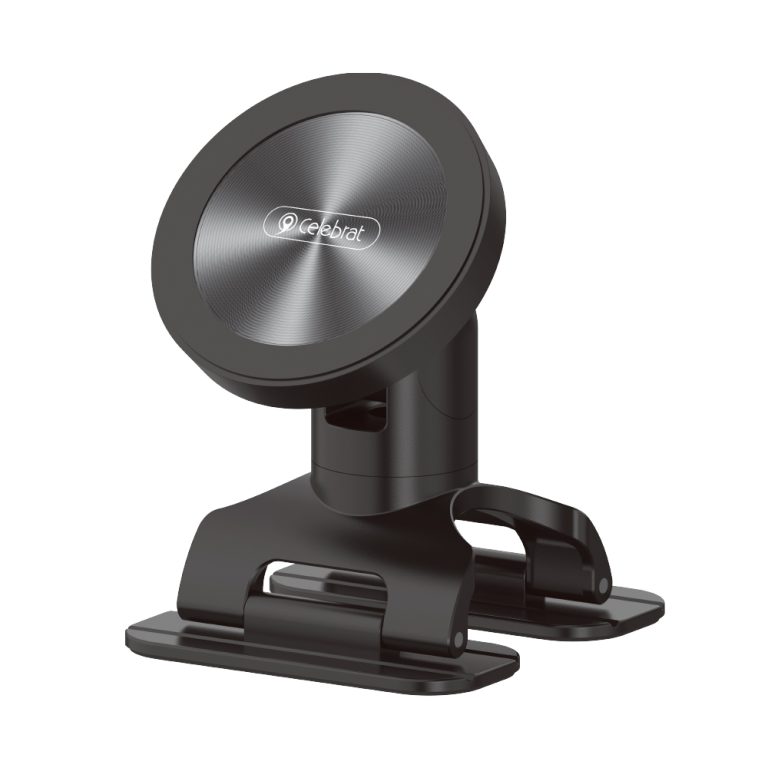
- Phone holders
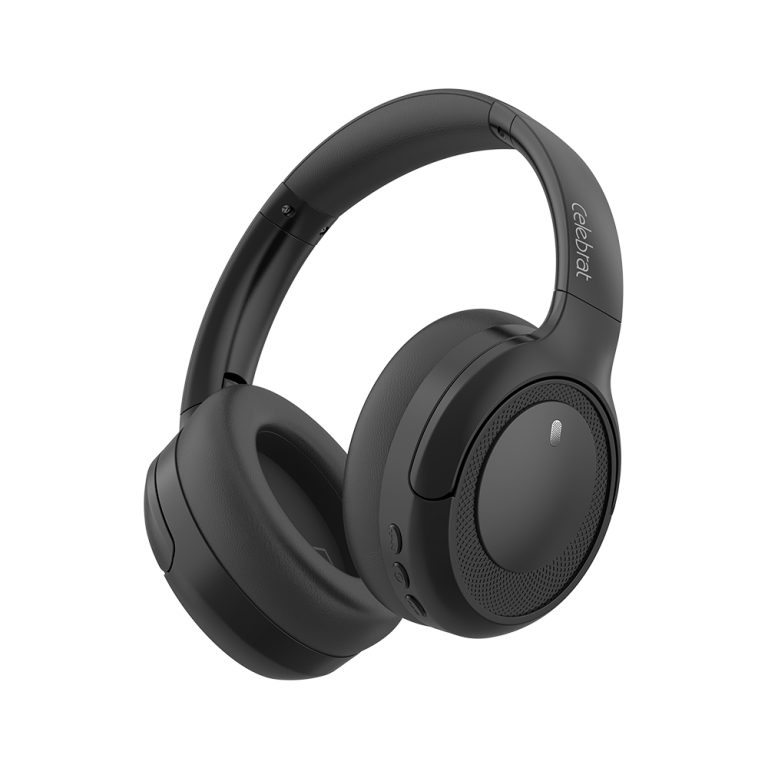
- Basic earphones
These products have low consumer decision costs and are price-acceptable. They work well as traffic drivers to help you build a customer base quickly.
② 30%: High-Growth Products
Priority Categories:
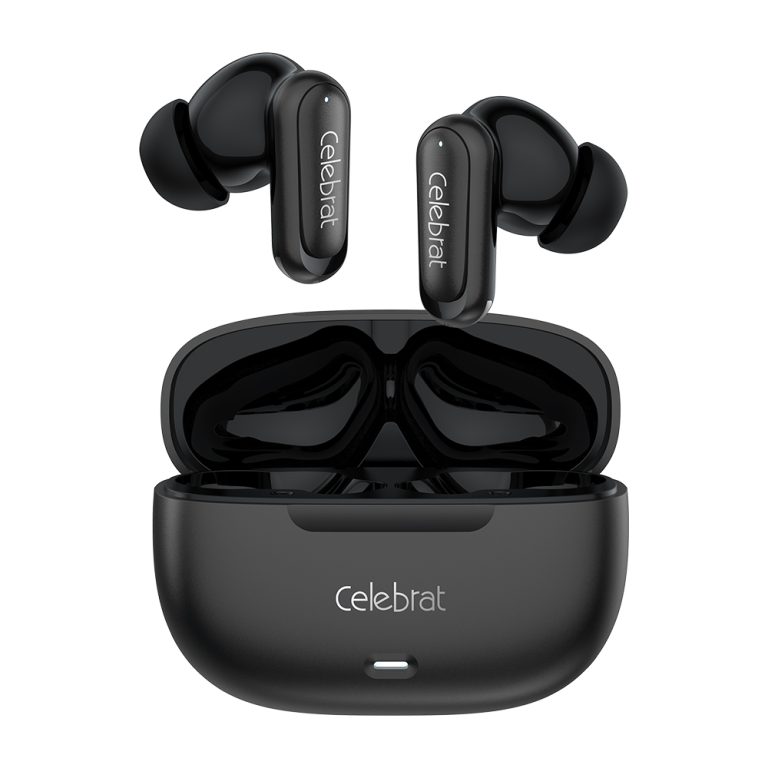
- TWS wireless earbuds
- Bluetooth speakers
- Fast charging products
- Power banks
Data point: The global charger market was valued at approximately $15.2 billion in 2025, with a projected CAGR of about 7.9% from 2025 to 2033. Earphones/headsets are also among the fastest-growing segments in the mobile accessories market.
For first-time importers, audio + charging categories typically deserve higher testing weight.
③ 20%: Profit Generators
Don’t position every product at the lowest price tier. Add some higher-value items:
- Premium TWS earbuds
- Fast charging kits
- High-capacity power banks
- Smart wearables
The goal of these products is not just volume — it’s increasing average order profit and improving overall margin structure.
④ 10%: New Product Tests
For example:
- New wireless earphone models
- Next-generation charging products
- Smartwatches/bands
- Emerging mobile peripherals
New products aren’t expected to generate significant sales immediately — their role is to identify market opportunities for the next phase of growth.
A Simple First-Order Example
Suppose your first-order budget is $10,000.
We don’t recommend spreading that $10,000 evenly across 100 SKUs. Consider this approach:
30 SKUs × approximately $300 per SKU on average
Breakdown:
| Category | SKUs | Budget Share |
|---|---|---|
| Essential Basics | 10 | ~30% |
| Audio Products | 9 | ~30% |
| Charging Products | 6 | ~20% |
| Profit Generators | 3 | ~13% |
| New Product Tests | 2 | ~7% |
| Total | 30 | 100% |
After 30–60 days of sales, re-prioritize based on actual performance data.
What Metrics Should You Track for Your First Order?
For your first shipment, the focus should not be “how much revenue” — but these 4 key metrics:
| Metric | What It Tells You |
|---|---|
| Sales Velocity | How quickly does a product sell after listing? |
| Gross Margin | Is the per-unit profit margin meeting targets? |
| Repurchase Rate | Do customers come back to buy again? |
| Inventory Turnover | How efficiently is capital returning? |
A product may sell in high volume, but if its gross margin is low and turnover is slow, it may not be a good SKU for your portfolio.
The “Test – Review – Reorder” Cycle for First-Time Importers
We recommend this process:
text
Step 1: Start with 20–40 SKUs for small-batch testing
            ↓
Step 2: Monitor sales data for 30–60 days
            ↓
Step 3: Phase out low-movement, low-profit products
            ↓
Step 4: Increase orders for the TOP 20% performers
            ↓
Step 5: Build your core SKU pool
In the end, you may find:
30 test SKUs → 10 core SKUs → 5 top-selling SKUs
This is far safer and more efficient than sourcing 100+ SKUs from the start.
Why a Multi-Category Supplier Is Better for First-Time Importers?
One of the biggest challenges in the first import is: you don’t know exactly what will sell.
If your supplier offers only a single category (e.g., only cables, or only chargers), you’ll need to coordinate with multiple suppliers simultaneously.
This significantly increases:
- Communication costs
- Procurement management costs
- Logistics coordination costs
- Quality control complexity
- Replenishment coordination difficulty
Therefore, first-time importers are better off with suppliers who offer a broad product range.
CELEBRAT offers 20+ product categories, including:
- TWS Wireless Earbuds
- Bluetooth Speakers
- Wired Earphones
- Chargers
- Data Cables
- Power Banks
- Smart Wearables
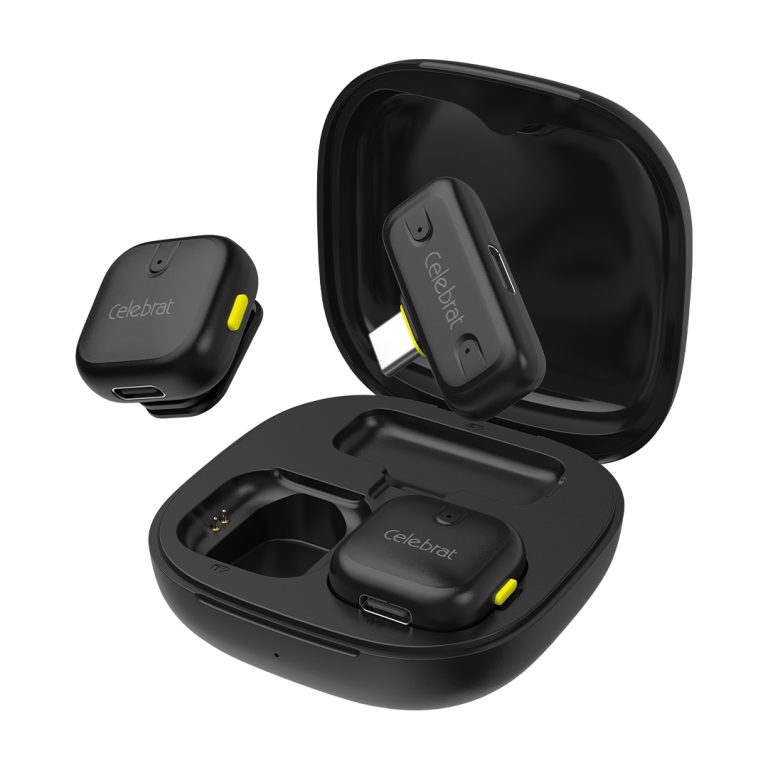
- Phone Cases & Mobile Peripherals
This allows distributors to conduct small-scale product testing first, then expand procurement based on local sales data.
Explore CELEBRAT’s complete product range:
👉 https://www.celebrat.com/product/
3 Principles to Remember for Your First Mobile Accessories Import
① Don’t chase SKU count from the start
20–40 SKUs for market testing is generally more reasonable and safer than blindly stocking 100+ SKUs.
② Don’t order the same quantity for every product
Bestsellers, stable sellers, and new products require different inventory strategies — avoid spreading your budget evenly across all SKUs.
③ Don’t treat your first order as your final product line
Your first shipment is a market test, not your final product mix. Your true product portfolio should evolve based on 30–60 days of actual sales data.
Final Thought: The Most Important Thing Is Not How Much You Order, But How Fast You Find Your Bestsellers
For first-time mobile accessory wholesalers and distributors:
Small SKU test → Data analysis → Bestseller reorder → Phase out slow movers → Scale core products
This is a lower-risk, higher-efficiency growth path.
If you’re looking for a Chinese brand that offers multi-category mobile accessories, supports small-batch testing, and enables long-term wholesale partnerships, explore CELEBRAT.
Explore CELEBRAT Products:
👉 https://www.celebrat.com/product/
Apply to Become a CELEBRAT Distributor:
👉 https://www.celebrat.com/become-distributors/