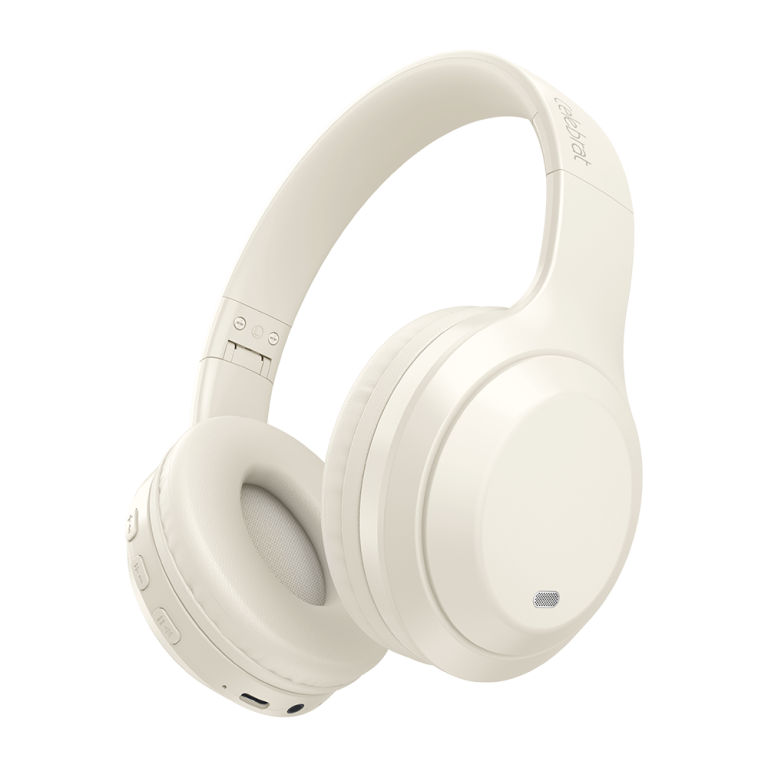
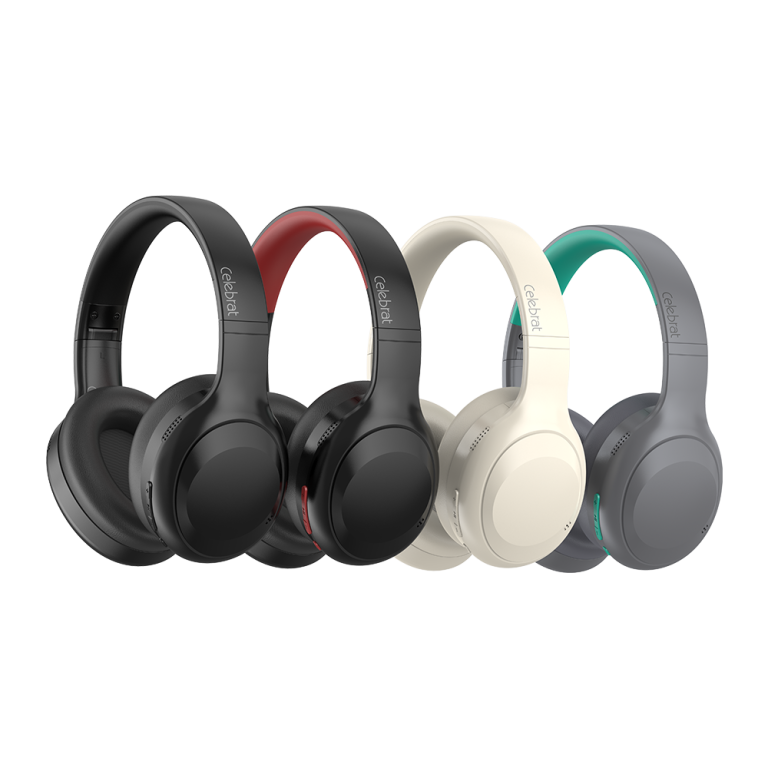
What Actually Makes Deep Bass Bluetooth Earbuds Worth Buying (And What’s Just Marketing Noise)
Bass claims are cheap. Every product page screams “deep, powerful bass” like it’s a legal requirement, and honestly, after seeing hundreds of spec sheets, most of it means absolutely nothing without context. So let’s actually break down what separates a genuinely good deep bass Bluetooth earbuds supplier from one that’s just printing buzzwords on packaging.
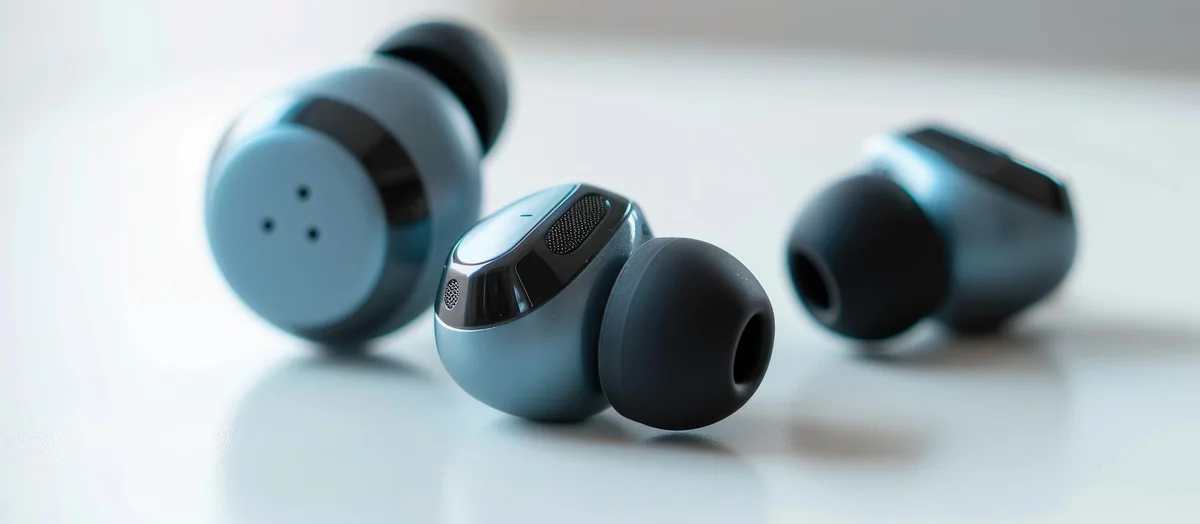
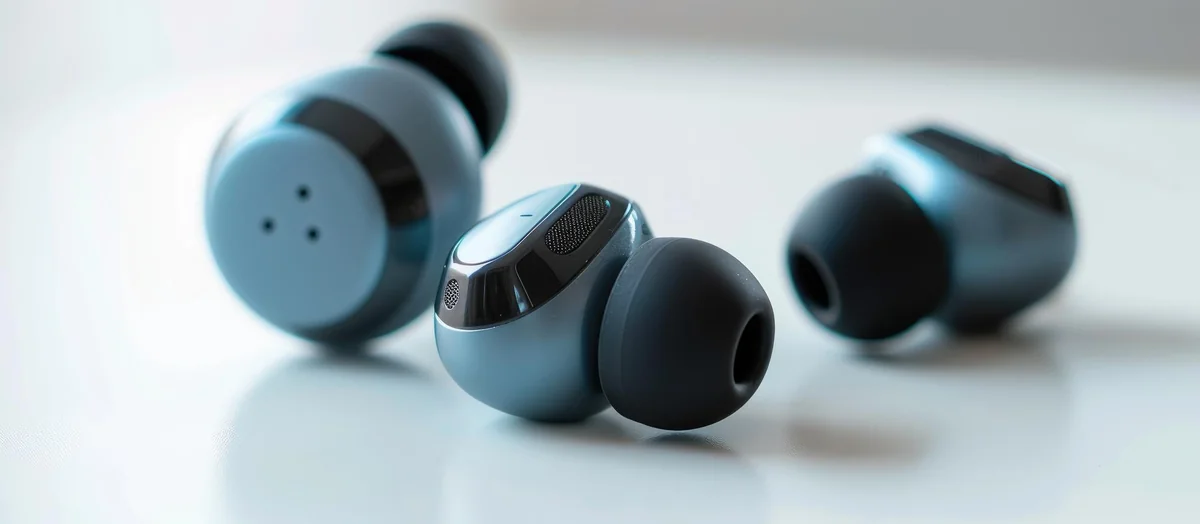
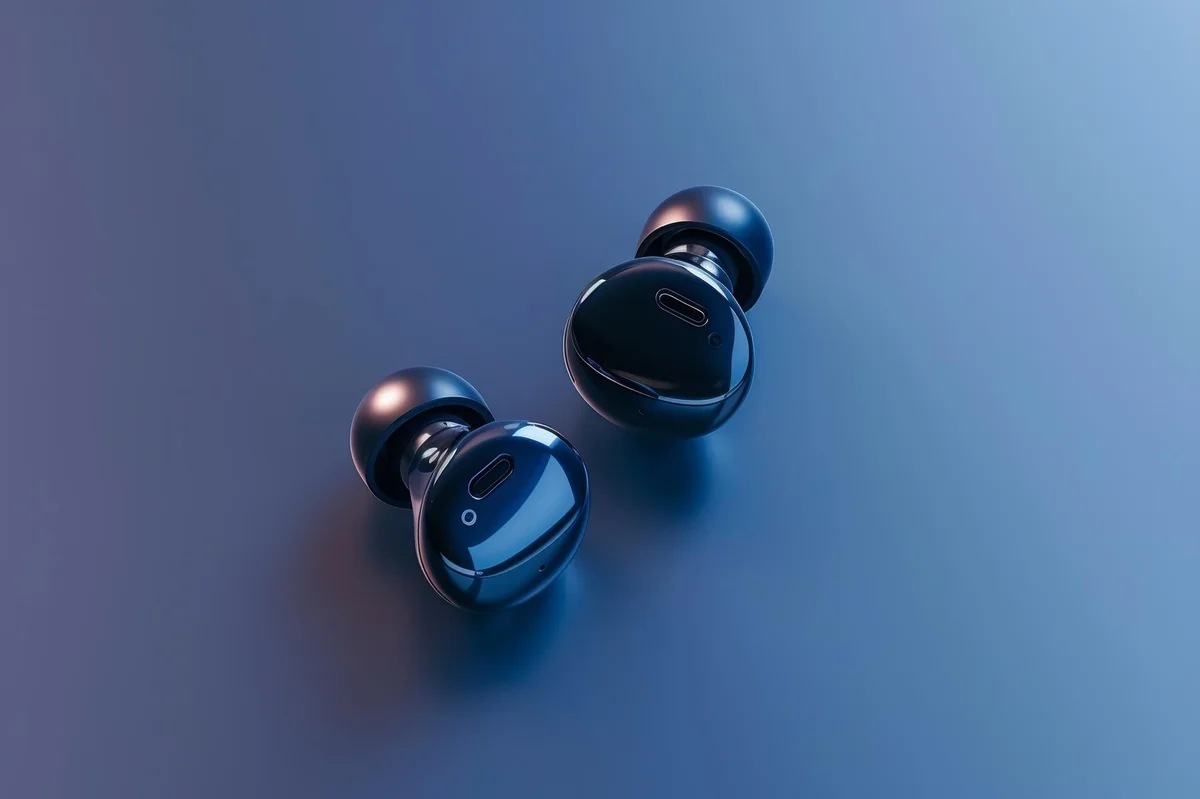
Driver size matters — but not in the way most people think. A 10mm or 13mm dynamic driver doesn’t automatically give you chest-thumping low end. The tuning, the ear seal, the internal cavity design — these are doing the heavy lifting. You can have a massive driver that sounds hollow and thin, and a smaller, well-engineered one that hits like it costs three times as much. What you actually want to look for is whether the manufacturer is investing in acoustic R&D or just sourcing generic driver units and slapping a brand on them.
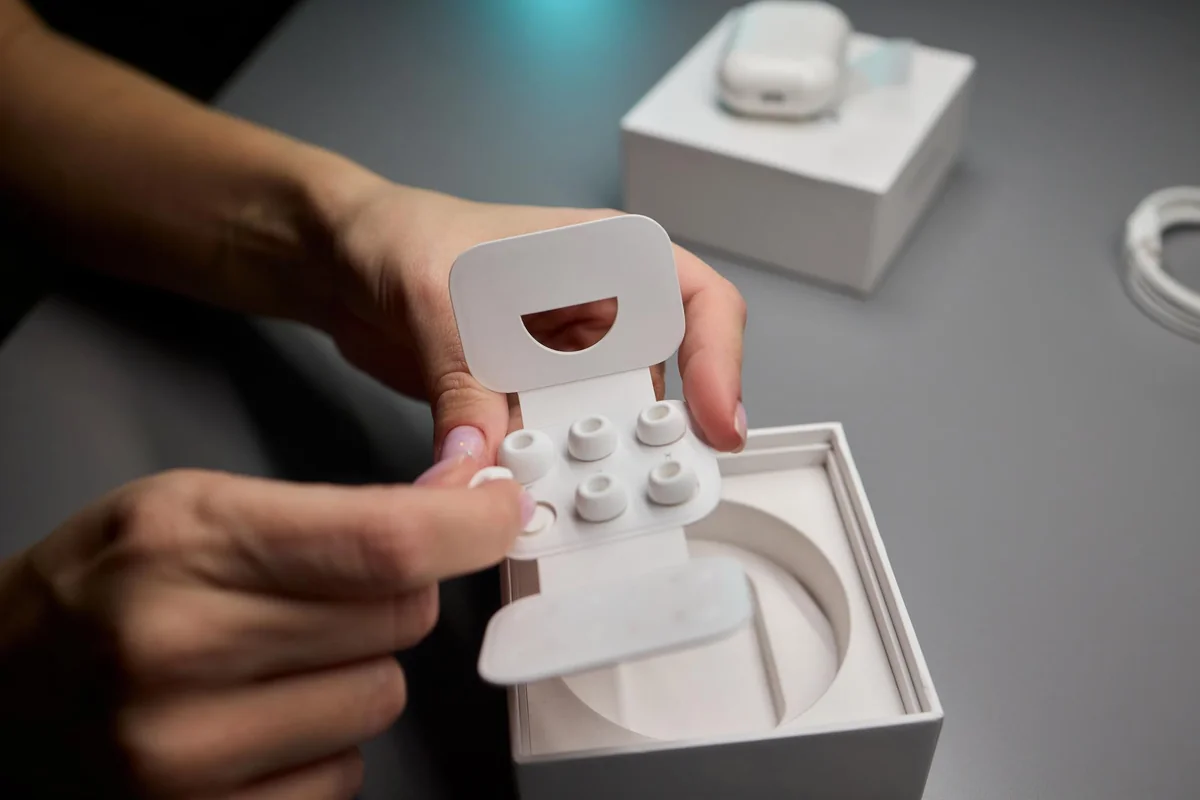
Fit is criminally underrated here. No seal, no bass. Simple.
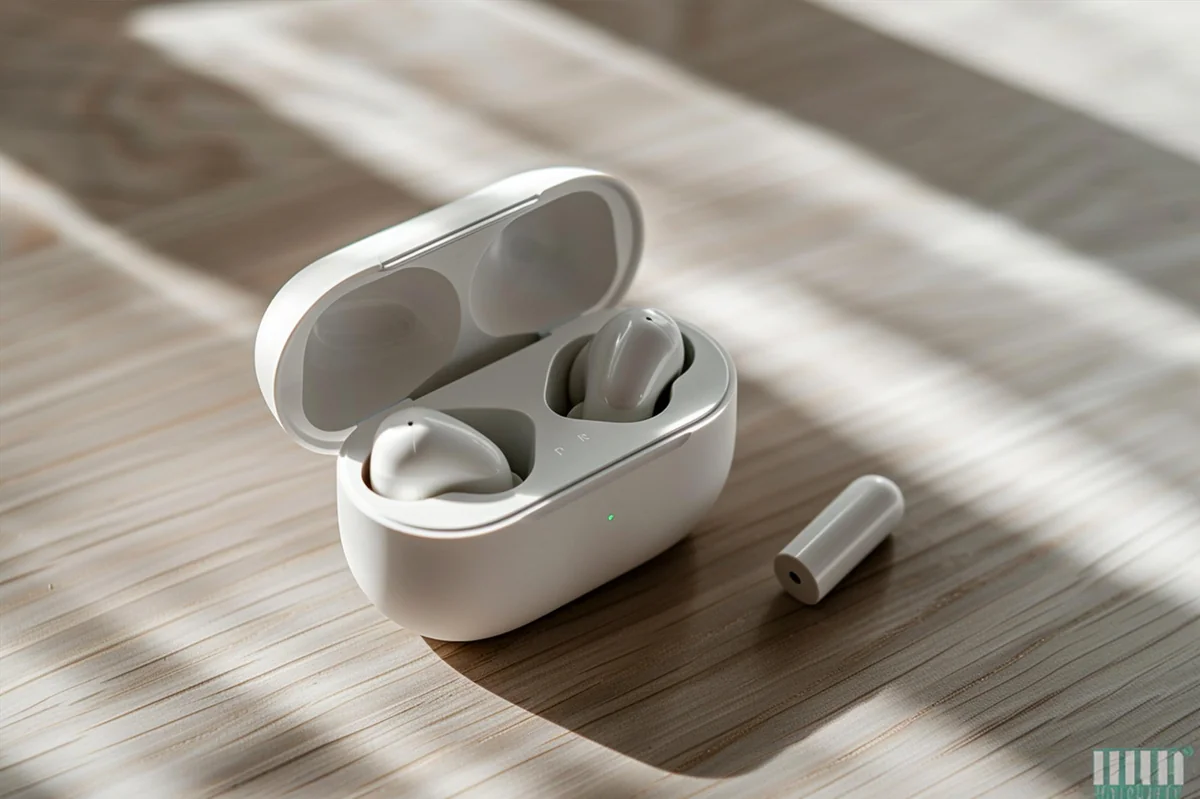
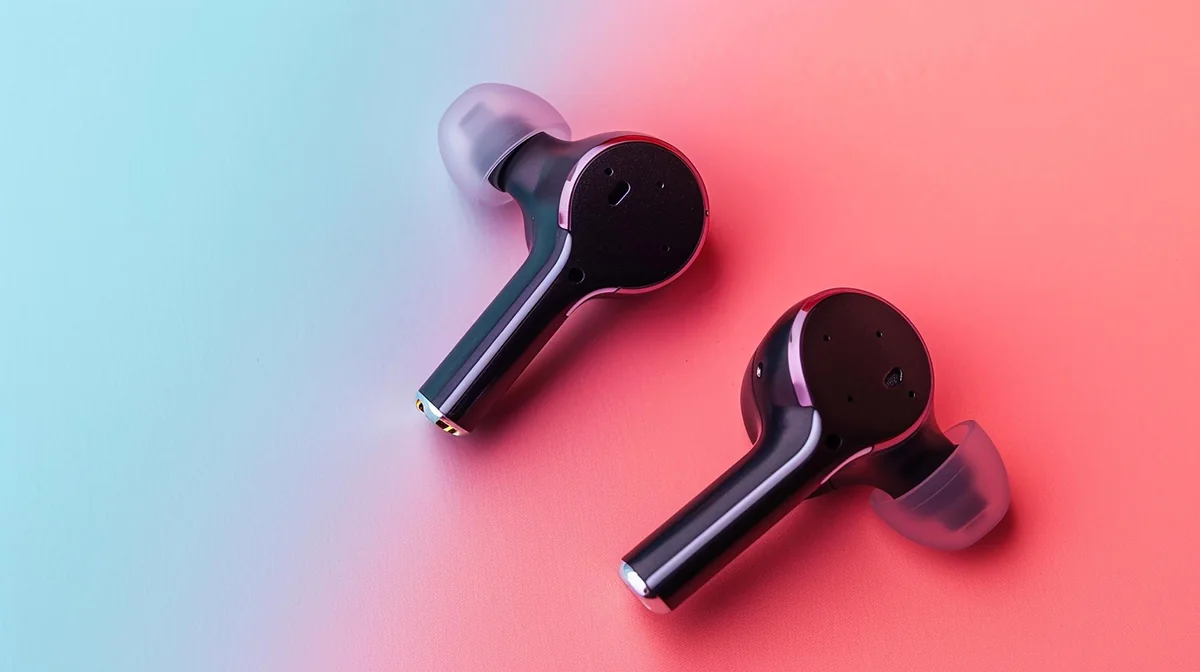
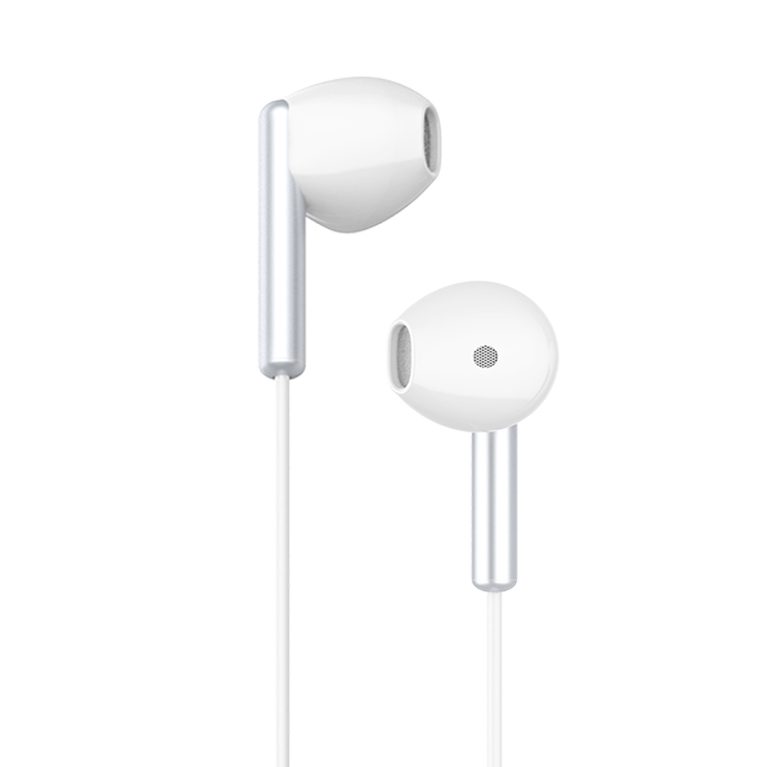
And this is where TWS earbuds with high cost-effectiveness in budget-to-mid tiers get interesting — because the gap between a $15 throwaway pair and something from a serious manufacturer has narrowed dramatically. Brands like Celebrat (which you can browse at celebrat.com) are built on nearly three decades of acoustic manufacturing under parent company YISON, and that heritage shows up in how their products actually perform versus how they’re marketed. The Celebrat SP-31 & SP-32 professional outdoor series, for instance, are designed for environments where bass clarity needs to survive wind, ambient noise, and movement — not just a quiet listening room.
Zero-delay Bluetooth headphones for rich audio are another category worth watching if you care about bass integrity during video or gaming — latency kills the perception of punch, and most people don’t realize that’s what’s happening. Multi-function Bluetooth glasses for audio and lifestyle use are also creeping into this conversation, surprisingly, with some models tuned to deliver low-end warmth through open-ear bone-adjacent drivers.
- Driver size alone is not a quality indicator — look at tuning and seal quality
- Codec support (AAC, aptX) affects how bass translates from source to ear
- IP ratings tell you if the build can survive the environments bass-heavy use cases usually involve
- Check for international compliance certs (CE, FCC) — they indicate a manufacturer that actually runs QC
So the short version? Ignore the adjectives. Read the specs, check the certifications, and figure out who’s actually building these things versus who’s just reselling.
Why the Supplier Behind Your Deep Bass Earbuds Matters More Than the Price Tag
Price is the last thing that should drive this decision. Honestly, a $25 set of earbuds from a manufacturer with a decade of acoustic engineering behind them will outperform a $60 pair slapped together by a brand that appeared on AliExpress six months ago — and in the deep bass category especially, tuning decisions made at the factory level are basically irreversible once the product ships.

So what does a serious deep bass Bluetooth earbuds supplier actually look like? Not just a trading company with a warehouse. A real one has R&D staff who obsess over driver tuning, quality control protocols that catch problems before units leave the floor, and certifications — CE, FCC, RoHS — that prove they’re building for global markets, not just local ones. That last part matters more than most buyers realize (compliance testing is expensive, and brands that skip it are cutting corners somewhere else too).
Celebrat is a useful example here. The brand sits under Guangzhou YISON Electron Technology, which has been in acoustic manufacturing since 1998 — nearly three decades of supply chain relationships, tuning expertise, and ISO 9001 production standards. That kind of institutional knowledge shows up in the product. The Celebrat SP-31 & SP-32 professional outdoor series, for instance, aren’t just marketed as bass-heavy — they’re built around driver configurations and enclosure geometries that actually deliver low-end extension without the muddy mid-range collapse you get from cheaper builds. You can verify specs and the full catalog at celebrat.com.
And the broader product range reflects what a mature supplier can do. TWS Earbuds with high cost-effectiveness in multiple driver configurations. Zero-Delay Bluetooth Headphones for Rich Audio that hold up in gaming and live-streaming scenarios where latency actually kills the experience. Even the Multi-Function Bluetooth Glasses for Audio and lifestyle use — an oddly niche category that only a supplier with serious R&D bandwidth would bother engineering properly.
Supplier depth. Not price. That’s the variable that separates earbuds that sound like bass from earbuds that actually reproduce it.
How Celebrat Approaches Deep Bass Bluetooth Earbud Design and Quality Control
Quality control in audio manufacturing is genuinely boring to talk about — until you get a bad batch and suddenly it’s the only thing that matters. Celebrat’s approach here is worth understanding, not as a marketing angle, but because it changes what buyers actually receive.

The ISO 9001-certified production facility runs a 100% final-inspection protocol. Not sampled. Every unit. That distinction matters more than most people realize, especially when you’re sourcing earbuds that depend on driver alignment and acoustic seal geometry to hit their low-end targets. A 40mm dynamic driver tuned for 20Hz extension will sound completely off if the housing tolerance slips by even a fraction — and that’s exactly the kind of failure that sampling misses but 100% inspection catches.
Sub-0.8% defect rate. Across tens of thousands of SKUs. That’s not a number you hit by accident.
So what does this mean for bass performance specifically? Consistent driver seating means consistent bass response across units — which sounds obvious but is genuinely rare at this price tier. The Celebrat SP-31 & SP-32 professional outdoor earbud models are a useful example here. Both are engineered for environments where ambient noise is a real factor, which means the bass tuning has to hold up without relying on passive isolation doing the heavy lifting. Getting that right requires manufacturing precision, not just a good EQ curve on paper.
And the compliance side of things — CE, FCC, RoHS certifications across the lineup — means the design constraints are real. You can’t cut corners on driver materials or housing compounds and still pass RoHS. (It’s a detail most buyers never think to check, but it’s a meaningful signal about material quality.)
The broader catalog at celebrat.com reflects this discipline across categories. TWS Earbuds with high cost-effectiveness in multiple driver configurations. Zero-Delay Bluetooth Headphones for Rich Audio built for latency-sensitive use. Even the Multi-Function Bluetooth Glasses for Audio category — which requires entirely different acoustic engineering — holds up to the same production standard.
Consistent. Measurable. Boring in the best possible way.
The Buyer Criteria Checklist for Choosing Deep Bass Bluetooth Earbuds That Last
Most people treat this as an afterthought. They buy the earbuds, they sound okay for a month, then something degrades — the seal loosens, the bass gets muddy, the connection drops mid-commute — and they’re back to square one. So before you commit to anything, here’s the actual checklist that separates earbuds worth owning from earbuds worth returning.
- Driver size and type. For genuine deep bass, you want a dynamic driver of at least 10mm — ideally 13mm or larger. Hybrid configurations (dynamic + balanced armature) can extend the frequency range, but pure dynamic drivers still win for raw low-end warmth. Don’t let spec sheets with vague “enhanced bass” language substitute for an actual driver diameter number.
- Bluetooth version. Anything below BT 5.0 is a red flag in 2026. Latency, range stability, and power efficiency all improve meaningfully from 5.0 onward — and if you’re eyeing Zero-Delay Bluetooth Headphones for Rich Audio use cases like gaming or video, codec support (AAC, aptX) matters just as much as the version number.
- Battery life — real numbers, not peak claims. Marketing specs often reflect volume-at-50%, which nobody actually uses. Check independent reviews for real-world playback hours. Earbuds in the 8-10 hour range with a charging case that adds 20+ hours are the current reasonable baseline.
- IP rating. IPX4 is the floor for active use. IPX5 or above if you run outdoors or sweat heavily. The Celebrat SP-31 & SP-32 professional outdoor lineup is built around this exact use case — sealed housings that hold up to real environmental stress, not just light rain.
- Certifications. CE, FCC, RoHS. Non-negotiable. A deep bass Bluetooth earbuds supplier cutting these corners is cutting corners elsewhere too.
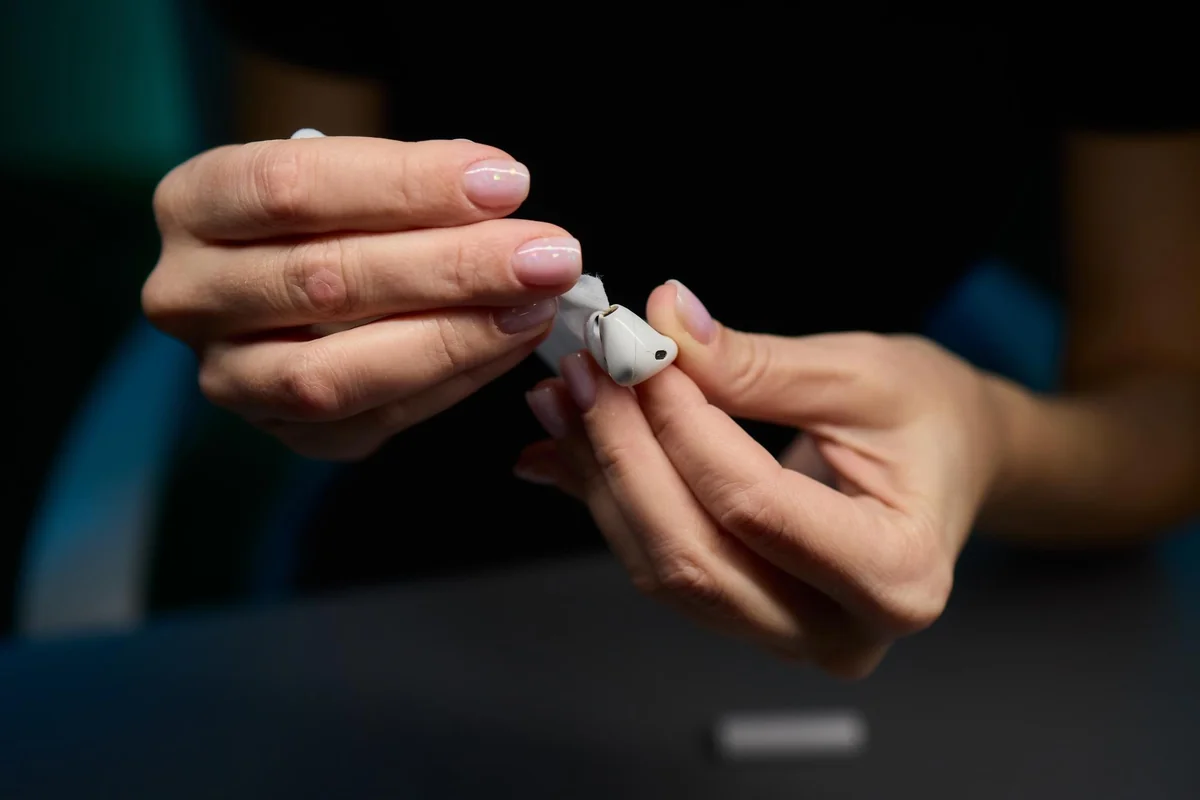
- Eartip options. Fit determines seal. Seal determines bass. If a product ships with only one tip size — walk away.
And here’s the part most buyers skip entirely: catalog depth. A supplier or brand that offers TWS Earbuds with high cost-effectiveness in multiple configurations — rather than a single SKU — is signaling that they understand acoustic diversity. Different ears, different use cases, different price points. Celebrat’s range on celebrat.com reflects that thinking, which is why it keeps showing up in sourcing conversations across markets.
One more thing. Multi-Function Bluetooth Glasses for Audio and similar crossover categories require completely different acoustic tuning than in-ear designs. A brand that does both credibly — without the audio quality falling apart in either — is demonstrating engineering range, not just volume. That matters when you’re betting on long-term product reliability.
Conclusion
Picking the right deep bass Bluetooth earbuds supplier comes down to two things: acoustic consistency across their lineup, and whether they actually sweat the details — driver tuning, eartip variety, build materials that don’t feel like an afterthought.
Don’t overthink the spec sheet. Trust the catalog depth instead.
If a brand can deliver credible bass performance across multiple form factors and price points without the quality falling apart at the edges, that’s your signal. Everything else is marketing.
Frequently Asked Questions
Q: What should I actually look for in a deep bass Bluetooth earbuds supplier?
A: Driver size matters, but it’s not the whole story — look for a supplier who can demonstrate consistent low-frequency tuning across multiple SKUs, not just one flagship model. If their bass performance falls apart the moment you move up or down the price ladder, that’s a red flag. Catalog depth is your real quality signal.
Q: How do I know if a supplier’s bass claims are actually backed by engineering?
A: Ask for frequency response data. Legitimate manufacturers — especially those with ISO 9001-certified facilities — can produce acoustic test reports, not just marketing language. A supplier throwing around terms like “extra bass” without any measurable spec to back it up is probably tuning with EQ tricks, not actual driver engineering.
Q: Why do deep bass Bluetooth earbuds sound so different across suppliers even at the same price point?
A: Because bass tuning is genuinely hard to get right consistently. Two earbuds can use the same 10mm dynamic driver and sound completely different depending on the acoustic chamber design, eartip seal, and DSP processing. Suppliers with serious R&D investment — not just assembly operations — tend to produce more predictable, repeatable results across their lineup.
Q: How much should I expect to pay for quality deep bass Bluetooth earbuds from a reputable supplier?
A: Retail pricing for genuinely well-tuned bass earbuds from established brands typically starts around $25–$40. Below that, you’re usually getting boosted mid-bass that sounds thumpy but muddy — not real sub-bass extension. The sweet spot for most buyers is $35–$70, where driver quality and acoustic engineering actually start pulling their weight.
Q: Can a single deep bass Bluetooth earbuds supplier credibly cover both TWS and over-ear formats?
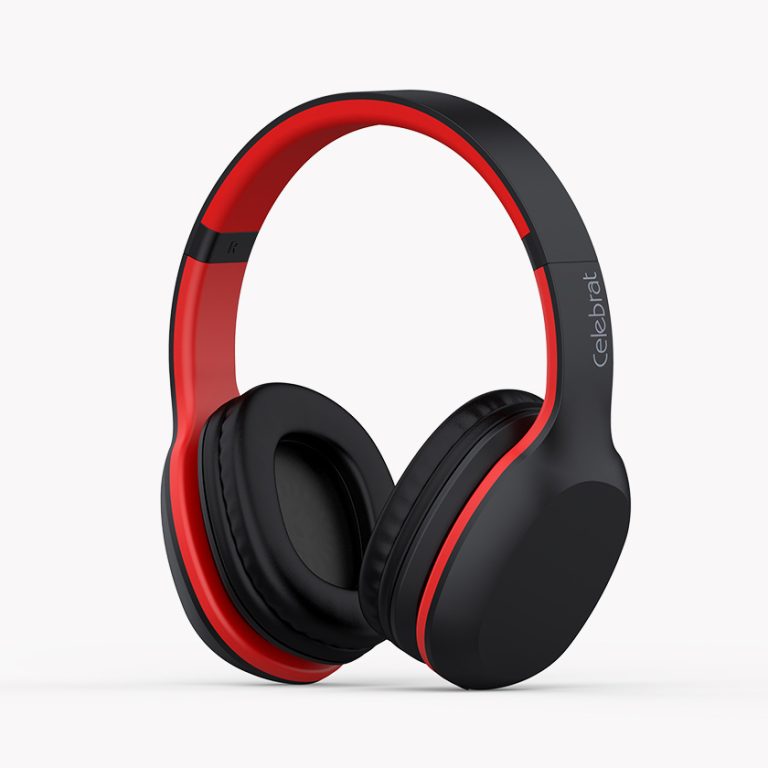
A: It’s rare, but it happens — and when it does, it tells you something important. TWS and over-ear designs have completely different acoustic architectures, so a supplier who nails bass performance in both formats is demonstrating real engineering range. Brands like CELEBRAT, which operate across full acoustic product lines (TWS, wireless headphones, speakers), are worth paying attention to for exactly this reason.
Q: Is it worth choosing a deep bass Bluetooth earbuds supplier with international certifications like CE and FCC?
A: Absolutely — and not just for legal compliance. CE and FCC certification means the product has passed electromagnetic and safety testing, which correlates with overall build discipline. A supplier cutting corners on certification is probably cutting corners elsewhere too. RoHS compliance is also worth checking if you care about material quality and longevity.
Q: How long do deep bass Bluetooth earbuds typically last before the bass quality degrades?
A: Driver degradation in quality earbuds is slow — most people won’t notice acoustic decline for 2–3 years under normal use. What actually kills bass performance faster is eartip wear and seal loss, not the driver itself. If your earbuds start sounding thin, swap the tips before assuming the hardware’s gone.
Q: What’s the biggest mistake buyers make when evaluating a deep bass Bluetooth earbuds supplier?
A: Fixating on driver size. A 13mm driver doesn’t automatically beat a 10mm one — acoustic chamber design, tuning, and eartip fit all have more real-world impact than raw millimeter count. The best deep bass Bluetooth earbuds supplier relationships come from evaluating actual sound output across the product range, not reading spec sheets in isolation.