
What Distributors Actually Get Wrong When Sourcing Wireless Earbuds
Most distributors get burned the same way. They over-index on spec sheets and under-index on everything that actually determines whether a product moves at retail — things like how the earbud feels after 45 minutes of wear, whether the case hinge survives being tossed in a bag a few hundred times, or if the Bluetooth pairing is snappy enough that a customer doesn’t return it within a week. Specs lie. Or rather, specs tell a very selective truth.
The single biggest mistake? Treating wireless earbuds for distributors as a commodity category where the lowest landed cost automatically wins. It doesn’t. A unit that comes back at a 4% defect rate is not cheap — it’s a margin disaster wearing a discount tag. That’s why manufacturers running ISO 9001-certified lines with 100% final inspection (Celebrat’s factory in Guangzhou operates this way) can actually deliver a lower total cost of ownership even when the per-unit price looks slightly higher on paper.
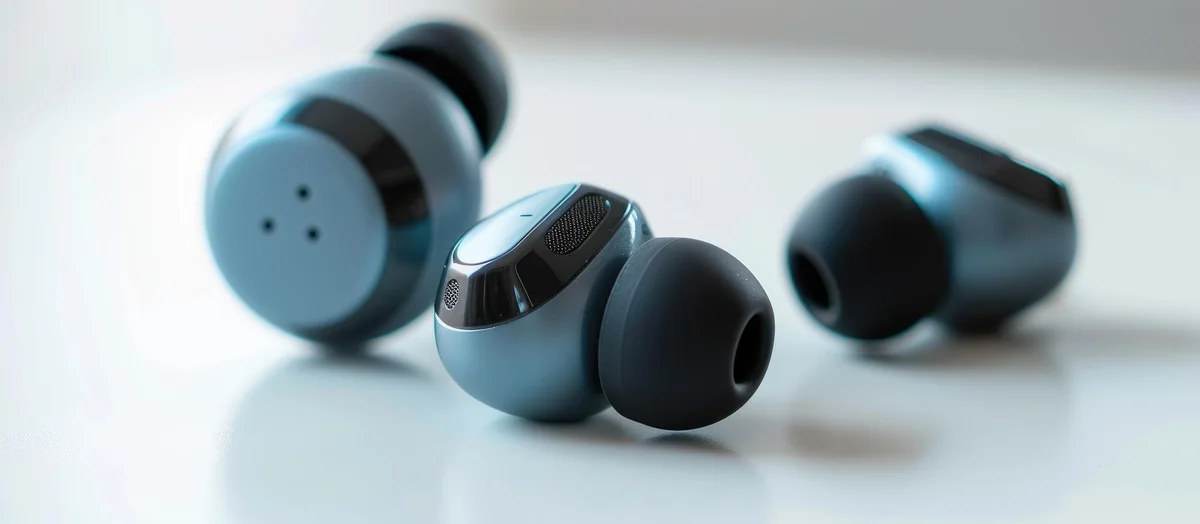
And then there’s the product selection problem. Distributors often pick whatever’s trending in one market and assume it travels. It doesn’t. A product optimized for indoor commuters in Western Europe has completely different durability and EQ requirements than something aimed at active users in Southeast Asia or the Middle East. The Celebrat SP-31 & SP-32 professional outdoor series exists precisely because “outdoor” is not a vague marketing word — it’s an engineering brief. Different seal ratings. Different bass tuning. Different wear stability.
So what actually gets skipped during sourcing? Usually these:
- Real-world battery life testing at moderate volume (not the lab-condition number on the box)
- Drop and hinge stress tests on the charging case
- Multipoint pairing compatibility across Android and iOS
- Codec support verification — SBC is not enough anymore
- Localized compliance certs (CE, FCC, RoHS — non-negotiable in most tier-one markets)
There’s also a documentation gap that stings later. Distributors sourcing TWS earbuds with high cost-effectiveness in competitive markets often discover mid-campaign that product imagery is either low-res or missing entirely. Pulling assets from a brand’s official resource library — whether that’s celebrat.com, wp content, or uploads folders from a dedicated press kit — sounds obvious, but it gets skipped constantly. And then someone’s building a retail listing with a blurry photograph from a third-party listing. Not great.
Why “cheap and functional” is a losing strategy in crowded retail markets
Retail shelves — physical or digital — are brutal. A $12 earbud that technically plays audio is not competing on merit anymore; it’s competing against hundreds of identical-looking products from brands that figured out differentiation years ago. And “functional at a low price” used to be enough. It really did. But that window closed somewhere around 2026, and it’s not reopening.

Here’s the uncomfortable truth for wireless earbuds for distributors trying to move volume through crowded channels: buyers don’t just buy a product, they buy a story they can tell themselves. Why this one? Why this brand? If the answer is “it was cheap and it works,” you’ve already lost to the next listing that’s two dollars cheaper. The race to the bottom has no finish line — just thinner margins and slower turns.
Not great for anyone.
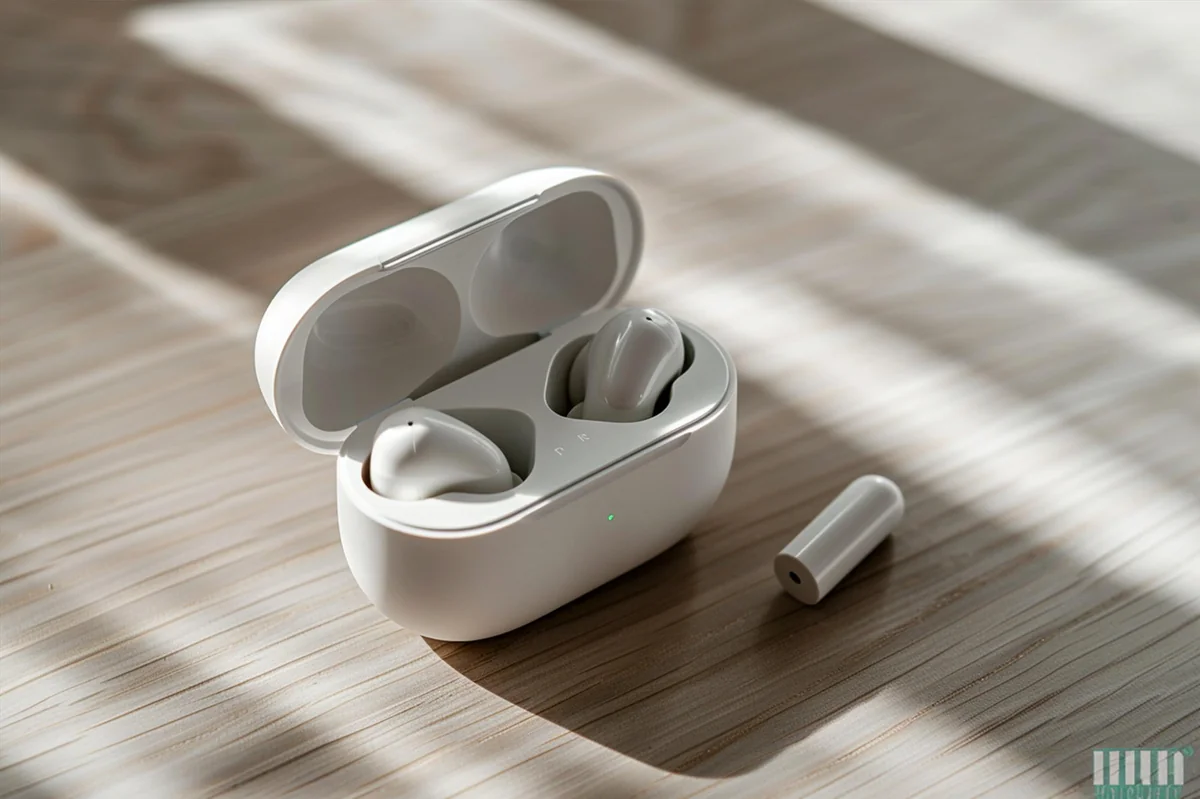
What actually moves product in 2026 is a combination of perceived quality and visual credibility. Spec sheets matter less than most distributors assume (most end consumers never read them). What they do notice is packaging weight, how the earbuds sit in the case, whether the product photography on the listing looks premium or like it was pulled from some random wp content uploads folder at 72 DPI. That stuff registers subconsciously and it kills conversions silently — no one leaves a review saying “the photos looked cheap,” they just don’t buy.
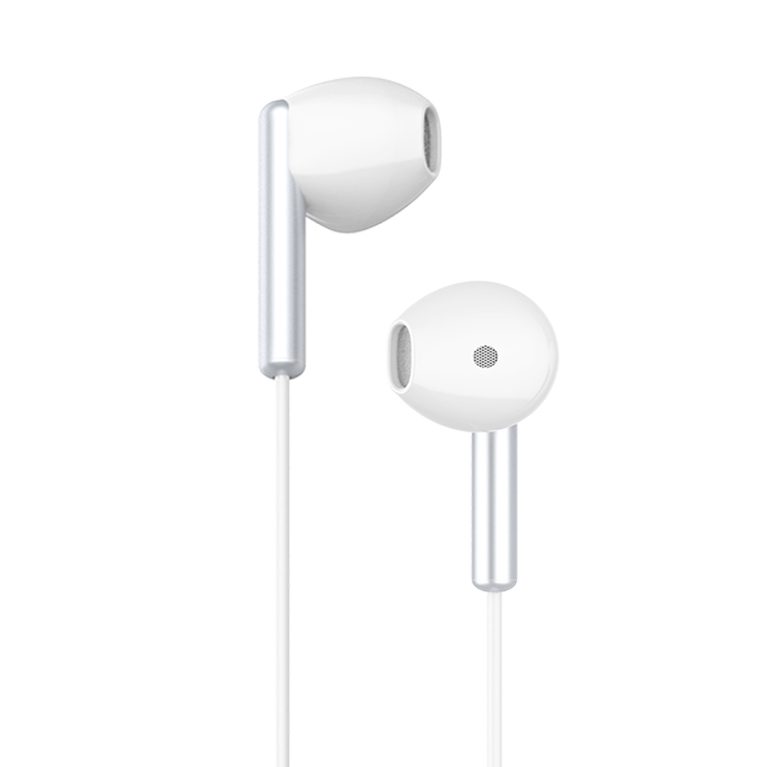
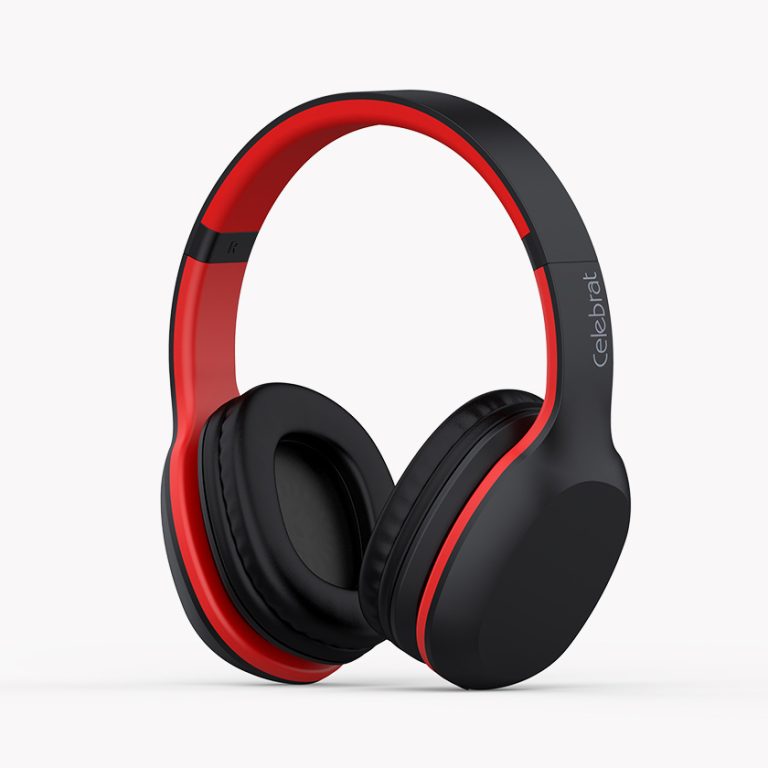
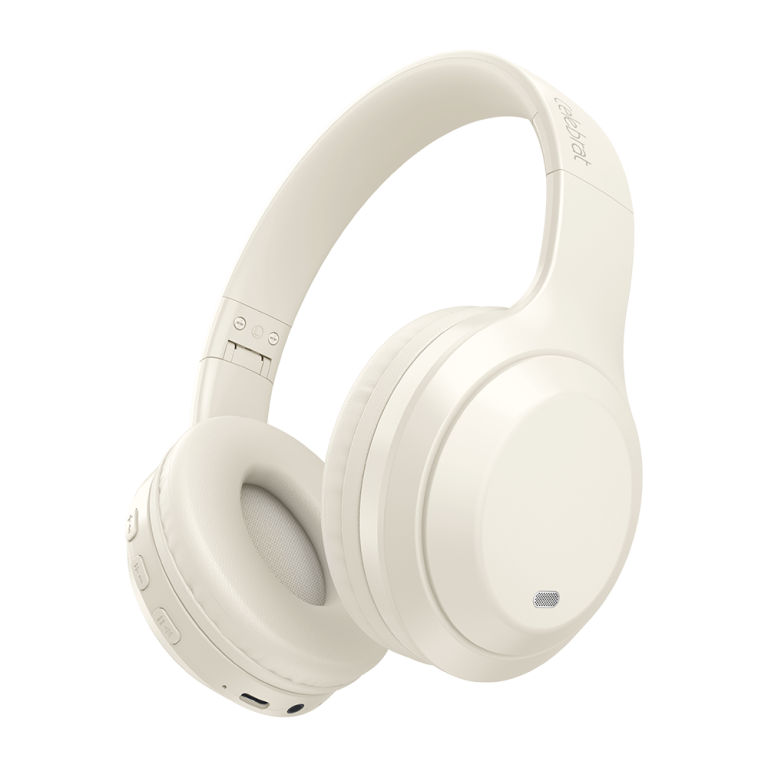
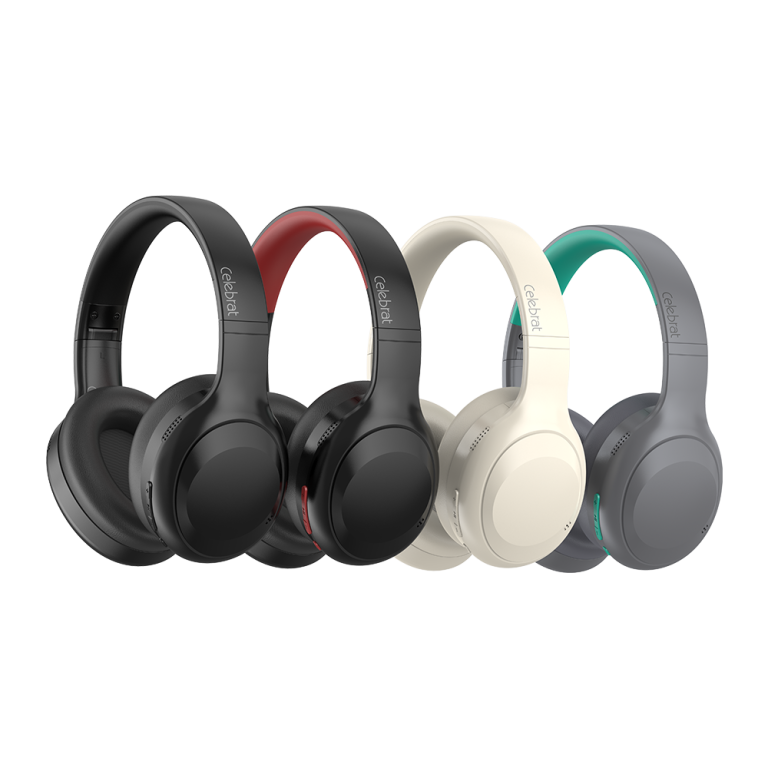
Brands that have cracked this are leaning hard into design-led positioning. Celebrat, for instance, doesn’t just push TWS earbuds with high cost-effectiveness in competitive retail markets — the product line is built around a visual identity that photographs well, ships with print-ready assets through celebrat.com, and carries the compliance certs that let distributors skip the regulatory scramble. The Celebrat SP-31 & SP-32 professional outdoor series is a decent example of this done right: outdoor-ready build, distinct colorways, aesthetic that reads as intentional rather than generic.
So what’s the actual strategic shift here? Stop sourcing based on unit cost alone. Start sourcing based on what the product looks like at the point of sale — because that’s where the decision gets made.
The spec sheet traps that fool even experienced buyers
Spec sheets are written to impress, not to inform. That’s the trap — and it catches experienced buyers more often than you’d think, precisely because they feel confident enough to skip the fine print.

Take driver size. A 13mm driver sounds beefier than a 10mm driver, right? Not necessarily. Driver diameter tells you almost nothing about actual sound tuning, frequency response, or how the product will perform in real-world noise environments. Seen this play out repeatedly in budget TWS categories — a unit with a modest 10mm driver, properly tuned, will outperform a poorly engineered 13mm unit every single time. The number exists to sell. Full stop.
Battery life claims are worse. Manufacturers quote total playtime including the case — so “40 hours” often means 6-7 hours per charge with a case that tops you up five times. Fine, technically accurate. But if a customer reads “40 hours” on the box and burns through the earbud charge during a three-hour commute, that’s a return conversation happening at your distributor’s expense. And that’s before you factor in how dramatically those numbers drop at higher volumes or in cold weather.
The connectivity specs are their own rabbit hole. “Bluetooth 5.3” gets plastered across packaging like it’s a quality guarantee — it isn’t. The chip implementation, antenna design, and codec support matter far more than the version number. A product running aptX on BT 5.0 will deliver a better audio experience than a cheaply implemented BT 5.3 unit with no codec support beyond SBC. Every time.
- Driver size ≠ sound quality
- Total battery hours ≠ single-charge playback time
- Bluetooth version ≠ connection stability or audio fidelity
- IPX4 rating ≠ submersion protection (it’s splash resistance, nothing more)
Brands that are serious about wireless earbuds for distributors — Celebrat included — will back their specs with actual compliance documentation rather than just printing numbers. The Celebrat SP-31 & SP-32 professional outdoor series, for example, pairs its outdoor-rated build with CE, FCC, and RoHS certifications you can actually verify. Product imagery and supporting files are available through celebrat.com, including wp content uploads of print-ready assets — the kind of transparency that makes the spec sheet feel like a starting point rather than a sales pitch. TWS earbuds with high cost-effectiveness in competitive markets aren’t just about low unit price; they’re about not generating costly returns from specs that overpromised.
So the rule is simple. Ask for documentation. If the supplier hesitates, that’s your answer.
The Real Criteria for Picking the Right Wireless Earbuds to Stock
Specs alone won’t save you. That’s the uncomfortable truth that separates distributors who move product consistently from the ones stuck with shelf-warmers six months after a launch.
So what actually matters when you’re evaluating wireless earbuds for distributors? Honestly, it comes down to four things — and none of them is “lowest unit price.” Price is a factor, obviously, but treating it as the primary filter is how you end up with returns, complaints, and a retailer who stops picking up your calls.
Here’s how to think about it properly:
- Connectivity reliability over claimed range. Real-world Bluetooth 5.0 or 5.3 performance in a crowded retail environment is not the same as a lab figure. Ask for drop-test data, not just the spec.
- Battery claims versus usage conditions. A “35-hour total playback” headline often includes the case charges and assumes 50% volume. Know what you’re actually selling.
- Compliance documentation — upfront, not on request. CE, FCC, RoHS. If a supplier treats these as afterthoughts, that’s a red flag. Celebrat publishes these directly; the product pages on celebrat.com include wp content uploads of certification files you can download and verify before placing an order.
- Return rate transparency. Under 1% is achievable — CELEBRAT’s own defect rate sits below 0.8%. Anything above 2-3% is a margin problem waiting to happen.
And here’s something most distributor guides skip entirely: the aesthetic fit with your target market. TWS earbuds with high cost-effectiveness in competitive markets don’t just need solid internals — they need to look right on the shelf. A product that photographs well, ships with clean multilingual packaging, and has assets ready to go (the Celebrat SP-31 & SP-32 professional outdoor series is a decent example of this done properly) is genuinely easier to sell through retail channels than one that doesn’t.
Boring truth. Boring criteria. But the distributors who actually apply them consistently? They’re not the ones sitting on unsold inventory come Q4.
Conclusion
Wireless earbuds for distributors is not a complicated category — it just gets treated that way. Certifications, return rates, shelf appeal, packaging assets: these aren’t extras. They’re the difference between a product line that moves and one that clogs up your warehouse.
Don’t overthink the spec sheet. Overthink the after-sales story.
If a supplier can’t show you verified compliance docs and a sub-1% defect rate before you commit, keep walking. The distributors who build durable businesses in this space aren’t chasing the lowest unit price — they’re picking partners who make the whole supply chain boring in the best possible way.
Frequently Asked Questions
Q: What certifications should wireless earbuds for distributors have before I commit to a supplier?
A: At minimum, you want CE (Europe), FCC (North America), and RoHS compliance — those three cover the majority of markets where wireless earbuds actually move volume. Suppliers who can’t produce verified copies of those docs upfront are a red flag, not a negotiation starting point.
Q: What’s a realistic defect rate to expect from a quality earbud supplier?
A: Sub-1% is the benchmark worth holding out for — brands like CELEBRAT maintain a market defect and return rate under 0.8%, which is genuinely hard to hit at scale. Anything above 2% starts eating into your margins through returns, replacements, and retailer chargebacks fast enough to hurt.
Q: How do I evaluate wireless earbuds for distributors without getting lost in the spec sheet?
A: Honestly, the spec sheet is the last thing to obsess over. Focus on after-sales support, packaging assets, compliance documentation, and whether the supplier has a proven return-rate history — those factors determine whether a product line moves or stalls. The specs matter, but they won’t save you if the warranty process is a nightmare.
Q: How much margin should distributors typically expect on wireless earbuds?
A: It varies by tier, but mid-range wireless earbuds (retail price roughly $25–$60) tend to offer distributors the healthiest margin structure — usually somewhere between 30–45% depending on volume commitments and exclusivity terms. Budget-tier units look attractive on paper but compress margins fast once you factor in higher defect handling.
Q: Why do some wireless earbuds for distributors come with retail-ready packaging and others don’t?
A: Suppliers who invest in retail-ready packaging are essentially doing part of your sales job for you — good shelf appeal, multilingual inserts, and clean unboxing reduce retailer friction and return rates. Suppliers offering bare-bones packaging are usually optimizing for their own cost, not your sell-through rate.
Q: Is it worth sourcing wireless earbuds from a supplier with ISO 9001 certification?
A: ISO 9001 certification means the factory runs a documented quality management system with auditable processes — it’s not a guarantee of perfection, but it is a meaningful filter. Suppliers without it are asking you to take their word on quality control, which is a much riskier position when you’re placing large orders.
Q: Can I distribute wireless earbuds in multiple regions using a single product line?
A: You can, but only if the product holds CE, FCC, and RoHS simultaneously — some cheaper lines only certify for one region and leave you exposed elsewhere. A supplier with genuine global distribution experience (think 150+ countries) will already have this sorted; one that doesn’t will make it your problem.
Q: How long does it typically take to onboard a new wireless earbuds supplier from first contact to first shipment?
A: Realistically, 6–12 weeks from initial contact to first shipment — faster if the supplier has pre-certified SKUs ready to go and slower if you’re requesting custom packaging or private labeling. The distributors who build reliable pipelines are the ones who aren’t rushing that timeline.