
Introduction: Make Every Trade Show Visit Count
October is one of the busiest months for international sourcing in China. Several major exhibitions bring together manufacturers, trading companies, product developers, and international buyers looking for new products and reliable business partners.
For overseas wholesalers, importers, distributors, retailers, and e-commerce sellers, these exhibitions offer opportunities to compare products, discover emerging trends, negotiate prices, and establish long-term supplier relationships.
However, attending a trade show does not automatically lead to a good purchasing decision. Attractive samples, competitive quotations, and impressive booth displays do not always reflect a supplier’s actual production capabilities, quality control standards, or ability to deliver consistently.
The key is to approach each exhibition with a clear sourcing strategy.
This guide explains the major China sourcing exhibitions in October 2026, how to prepare for a productive visit, how to evaluate suppliers, and how to avoid common procurement mistakes.
1. Major China Sourcing Exhibitions in October 2026
Three major exhibitions are particularly relevant to international buyers seeking consumer electronics, mobile accessories, gifts, household products, and other wholesale merchandise.
1.1 Global Sources Hong Kong Shows
Location: AsiaWorld-Expo, Hong Kong
The Global Sources Hong Kong Shows provide international buyers with opportunities to explore consumer electronics, mobile electronics, lifestyle products, and other export-oriented merchandise.
The October 2026 edition is divided into two phases:
- Phase 1: October 11–14, 2026
- Phase 2: October 18–21, 2026
Different product categories are featured across the two phases. Buyers should review the official exhibitor directory and product-category information before deciding which phase to attend.
Who should attend?
- Mobile accessories wholesalers and distributors
- Consumer electronics importers
- Retail chains and e-commerce sellers
- Buyers looking for new products and OEM/ODM opportunities
- Businesses seeking to compare multiple suppliers in one trip
For mobile accessories buyers, it is worth comparing audio products, charging accessories, cables, and other electronic accessories while evaluating the suppliers behind them.
1.2 China Import and Export Fair (Canton Fair)
Location: China Import and Export Fair Complex, Guangzhou
The 140th Canton Fair in autumn 2026 is scheduled in three phases:
- Phase 1: October 15–19, 2026
- Phase 2: October 23–27, 2026
- Phase 3: October 31–November 4, 2026
The Canton Fair covers a broad range of industries, making it suitable for buyers who want to explore multiple product categories or develop a more diversified sourcing portfolio.
Who should attend?
- Importers sourcing products across several categories
- Distributors developing new product lines
- Retailers seeking manufacturers and export suppliers
- Buyers exploring manufacturing, customization, and OEM/ODM options
Because the exhibition is extensive, buyers should identify relevant halls, product categories, and potential suppliers before arrival. Walking through the entire venue without a plan can consume significant time without producing useful leads.
1.3 Shenzhen Gift & Home Products Fair
Location: Shenzhen World Exhibition & Convention Center
The 34th Shenzhen Gift & Home Products Fair is scheduled for October 20–23, 2026.
The exhibition covers gifts, home products, promotional merchandise, and related consumer goods. Its product scope also makes it relevant to buyers exploring mobile electronics and lifestyle accessories.
Who should attend?
- Gift and promotional product importers
- Retailers and sourcing companies
- Buyers developing corporate gift collections
- Distributors looking for differentiated consumer products
- Businesses interested in combining electronics with lifestyle merchandise
For buyers who already source mobile accessories, this exhibition may also provide ideas for expanding into complementary categories.
Which Exhibition Should You Choose?
| Your sourcing objective | Exhibition to consider |
|---|---|
| Consumer electronics and mobile accessories | Global Sources Hong Kong Shows |
| Broad, multi-category sourcing | Canton Fair |
| Gifts, promotional products, and lifestyle merchandise | Shenzhen Gift & Home Products Fair |
| Building a diversified product portfolio | Compare relevant categories across multiple exhibitions |
The best exhibition depends on your purchasing objectives, product categories, target price range, and supplier requirements. No single exhibition is automatically the best choice for every buyer.
2. Before You Go: Prepare a Clear Sourcing Plan
Successful sourcing begins before you enter the exhibition hall.
2.1 Define Your Target Product Categories
Avoid the temptation to collect samples simply because a product looks attractive.
Instead, divide your purchasing needs into three groups:
- Core products: Items that already sell consistently in your market.
- Growth products: Categories with promising demand that you want to develop.
- Test products: New items you can evaluate through a small initial order.
For mobile accessories wholesalers, a practical starting portfolio may include:
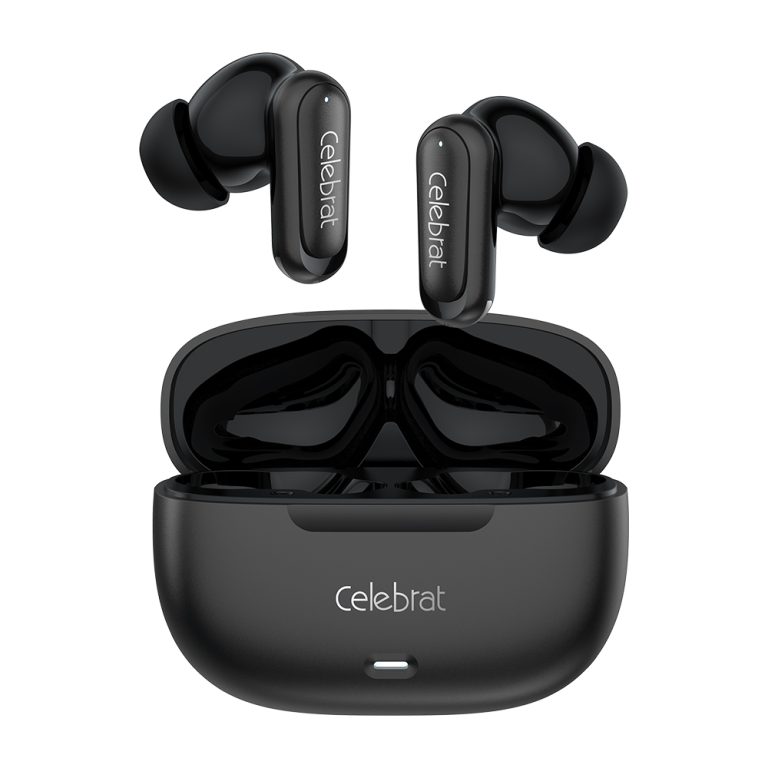
- TWS wireless earbuds and other audio products
- Wired earphones and headphones
- Bluetooth speakers
- Wall chargers, charging cables, and power banks
- Smartwatches and other wearable accessories
- Car mounts and complementary mobile accessories
The right mix depends on local purchasing power, consumer preferences, competing brands, and your existing sales channels.
2.2 Establish Your Target Price and Order Quantity
Before meeting suppliers, define your expected purchase price, initial order quantity, and target retail or wholesale price.
For example, if you plan to introduce a new TWS earbud model, consider:
- Your target landed cost
- The minimum order quantity (MOQ)
- Packaging and customization costs
- Shipping, insurance, and import duties
- Local distribution margins
- Expected selling price and profit margin
A low factory quotation does not necessarily mean a low total procurement cost.
2.3 Prepare a Supplier Questionnaire
Ask every potential supplier the same essential questions so that their answers can be compared objectively.
| Evaluation area | Questions to ask |
|---|---|
| Company background | Are you a manufacturer, trading company, or brand owner? |
| Product range | Which categories do you specialize in? |
| MOQ | What is the minimum order quantity for each model? |
| Pricing | What are the prices at different order quantities? |
| Samples | Can you provide samples for testing? |
| Quality control | What inspections and testing procedures do you use? |
| Certifications | Which product-specific certificates and test reports are available? |
| Lead time | What is the standard production lead time? |
| Customization | Can you customize packaging, logos, or specifications? |
| After-sales service | How do you handle defective products and warranty claims? |
| Export experience | Which markets do you currently serve? |
Keep the answers in a spreadsheet or supplier comparison form. This will make post-exhibition decisions much easier.
3. How to Evaluate Chinese Suppliers at a Trade Show
A professional booth and a polished sales presentation can create a positive first impression, but supplier selection requires more than appearance.
3.1 Verify the Company’s Identity and Business Model
First, clarify whether the company is a manufacturer, trading company, brand owner, or a business combining several roles.
Each model can be suitable for different purchasing needs.
A manufacturer may offer more direct production communication and customization options. A trading company may provide broader product selection and consolidated sourcing. A brand owner may offer established product positioning, branded packaging, marketing resources, and a more structured product portfolio.
Rather than assuming one model is always superior, determine which model best matches your business.
Ask for the company’s official website, business information, product catalog, and export references where appropriate. Verify that the company name, quotation, invoice details, and contracting entity are consistent.
3.2 Compare Product Quality, Not Just Appearance
Samples are useful, but visual inspection alone cannot establish product reliability.For electronic accessories, consider testing:
- Charging and connection performance
- Audio quality and microphone performance
- Battery performance under defined test conditions
- Material quality and assembly consistency
- Packaging and labeling
- Compatibility with the intended devices
- Product-specific safety and regulatory requirements
For larger orders, consider a documented inspection plan and independent testing when appropriate.For battery-powered products, request relevant battery transport documentation where applicable. Confirm that the product meets the regulations required in your destination market rather than relying on a general claim that it is “certified.”
3.3 Assess Production and Delivery Capabilities
Ask how the supplier manages production schedules, raw materials, quality inspections, and peak-season demand.
Useful questions include:
- What is the normal lead time for a repeat order?
- How much advance notice is needed for a large order?
- What happens if a component becomes unavailable?
- Can the supplier maintain consistent specifications across batches?
- How are delayed shipments communicated and resolved?
A supplier that communicates clearly about limitations may be a better long-term partner than one that promises everything without providing supporting details.
3.4 Evaluate Long-Term Cooperation Potential
For wholesalers and distributors, supplier selection is not just about a single transaction. It is about whether the partnership can support future growth.
Evaluate whether the supplier can provide:
- A consistent product portfolio
- Competitive and transparent wholesale pricing
- Reasonable MOQs for testing new products
- Reliable delivery arrangements
- Product documentation and marketing materials
- Responsive after-sales support
- A clear process for handling quality issues
If you intend to build a regional distribution business, ask whether the supplier has a formal distributor program and what requirements apply to market protection, pricing, sales targets, and promotional support.
4. Seven Common Procurement Traps and How to Avoid Them
Trap 1: Choosing a Supplier Based on the Lowest Price
A low quotation can hide differences in materials, specifications, packaging, testing, or after-sales support.
How to avoid it:
Compare quotations on an equivalent basis. Confirm the exact model, technical specifications, packaging, order quantity, delivery terms, and warranty conditions before making a price comparison.
Trap 2: Believing Every Exhibition Sample Represents Mass Production
Samples may be specially prepared and may not fully represent the quality of a future production batch.
How to avoid it:
Approve a reference sample and record the required specifications. For significant orders, agree on quality standards, inspection procedures, and acceptable defect criteria before production.
Trap 3: Ignoring MOQ and Hidden Costs
The advertised price may apply only to a large order. Custom packaging, logo printing, accessories, tooling, and shipping can increase the total cost.
How to avoid it:
Request a written quotation with pricing tiers, MOQ, customization charges, payment terms, packaging details, and delivery conditions. Calculate the landed cost rather than relying solely on the unit price.
Trap 4: Accepting Unsupported Certification Claims
A supplier may mention certifications without confirming whether the documents apply to the exact product, model, manufacturer, or destination market.
How to avoid it:
Request the relevant reports and certificates. Check their validity, scope, issuing organization, and model details. Confirm applicable requirements with your customs broker or compliance specialist.
Trap 5: Placing a Large Order Before Testing Demand
A product may look promising at an exhibition but sell slowly in your local market.
How to avoid it:
Where feasible, start with a sample order or controlled trial quantity. Track sales velocity, customer feedback, return rates, and gross margin before increasing the order size.
Trap 6: Overlooking After-Sales Responsibilities
Unclear warranty terms can create disputes when products arrive defective or fail during use.
How to avoid it:
Clarify the warranty period, evidence requirements, replacement or compensation arrangements, claim deadlines, and responsibility for return shipping. Put agreed terms in writing.
Trap 7: Making a Decision Based on Verbal Promises
Verbal assurances about exclusivity, delivery dates, pricing, or marketing support may be difficult to enforce if they are not reflected in the agreement.
How to avoid it:
Document key commercial terms in the quotation, purchase order, or contract. For distribution arrangements, define territory, sales targets, exclusivity conditions, performance reviews, and termination provisions.
5. A Practical Supplier Evaluation Scorecard
After meeting several suppliers, it is easy to confuse one company’s advantages with another’s. A standardized scorecard helps you make more objective decisions.
Use the following framework to evaluate each supplier on a scale of 1–5, where 1 is poor and 5 is excellent.
| Evaluation criterion | Suggested weight |
|---|---|
| Product quality and consistency | 25% |
| Price and total procurement cost | 20% |
| Product range and innovation | 15% |
| Delivery and supply reliability | 15% |
| After-sales service | 10% |
| Communication and documentation | 10% |
| Customization flexibility | 5% |
| Total | 100% |
Calculate the weighted score by multiplying each rating by its weight and adding the results.
For example, a supplier with strong product quality, transparent pricing, and reliable delivery may be a better choice than one offering the lowest unit price but providing limited documentation and weak after-sales support.
The weights can be adjusted according to your business model. A small-batch e-commerce seller may prioritize low MOQ and product flexibility, while a regional distributor may place greater emphasis on supply continuity, warranty support, and market development.
Important: A high score is a decision aid, not a substitute for due diligence. Serious concerns about legal identity, product safety, payment security, or contractual terms should be resolved before placing an order.
6. What to Do After the Exhibition
The value of a sourcing trip depends on what happens after the meetings.
Step 1: Organize Supplier Information Within 48 Hours
Record each supplier’s company name, contact details, product categories, quoted prices, MOQ, lead time, sample availability, and next steps.
Separate high-priority suppliers from those requiring further verification.
Step 2: Request Formal Quotations and Samples
Ask shortlisted suppliers to provide written quotations with complete specifications. For products that require performance testing, request samples before committing to a large purchase.
Ensure that samples and quotations refer to the same model and configuration.
Step 3: Compare Total Costs
Include product costs, packaging, inspection, freight, insurance, duties, taxes, and other relevant expenses.
Compare suppliers under the same delivery terms and order quantities wherever possible.
Step 4: Verify the Supplier Before Paying
Check the contracting company’s identity and payment beneficiary. Review the contract, payment schedule, delivery terms, and procedures for resolving disputes.
For larger orders, consider a factory audit, third-party inspection, or other risk-control measures appropriate to the transaction.
Step 5: Start with a Controlled Trial Order
Where commercially feasible, use an initial order to assess product consistency, delivery performance, packaging, and communication.
Use the results to decide whether to increase order volume or expand the product range.
Step 6: Build a Long-Term Supplier Relationship
Once a supplier demonstrates consistent performance, establish a regular process for demand forecasting, product updates, replenishment, quality feedback, and after-sales claims.
A reliable sourcing relationship can reduce repeated supplier-search costs and make inventory planning more predictable.
7. Beyond the Exhibition: How to Find Reliable Mobile Accessories Partners
Trade shows are valuable sourcing channels, but they are not the only way to identify potential suppliers.
International buyers can also use official company websites, online product catalogs, verified business contacts, industry referrals, and direct supplier discussions to build a shortlist.
For mobile accessories wholesalers, choosing a supplier with a coherent product portfolio may simplify procurement. Instead of managing many separate suppliers for every product category, buyers can evaluate whether one qualified partner can supply several complementary product lines while maintaining consistent quality and service.
Why Consider a Brand-Based Sourcing Model?
Working with an established mobile accessories brand may provide benefits beyond product supply, depending on the partnership:
- A more structured product catalog
- Consistent brand positioning
- Product and marketing materials
- Support for distributor development
- More coordinated product updates
- A clearer framework for long-term cooperation
These benefits should be verified with the individual supplier. They are not guaranteed simply because a company owns a brand.
Explore CELEBRAT as a Mobile Accessories Sourcing Option
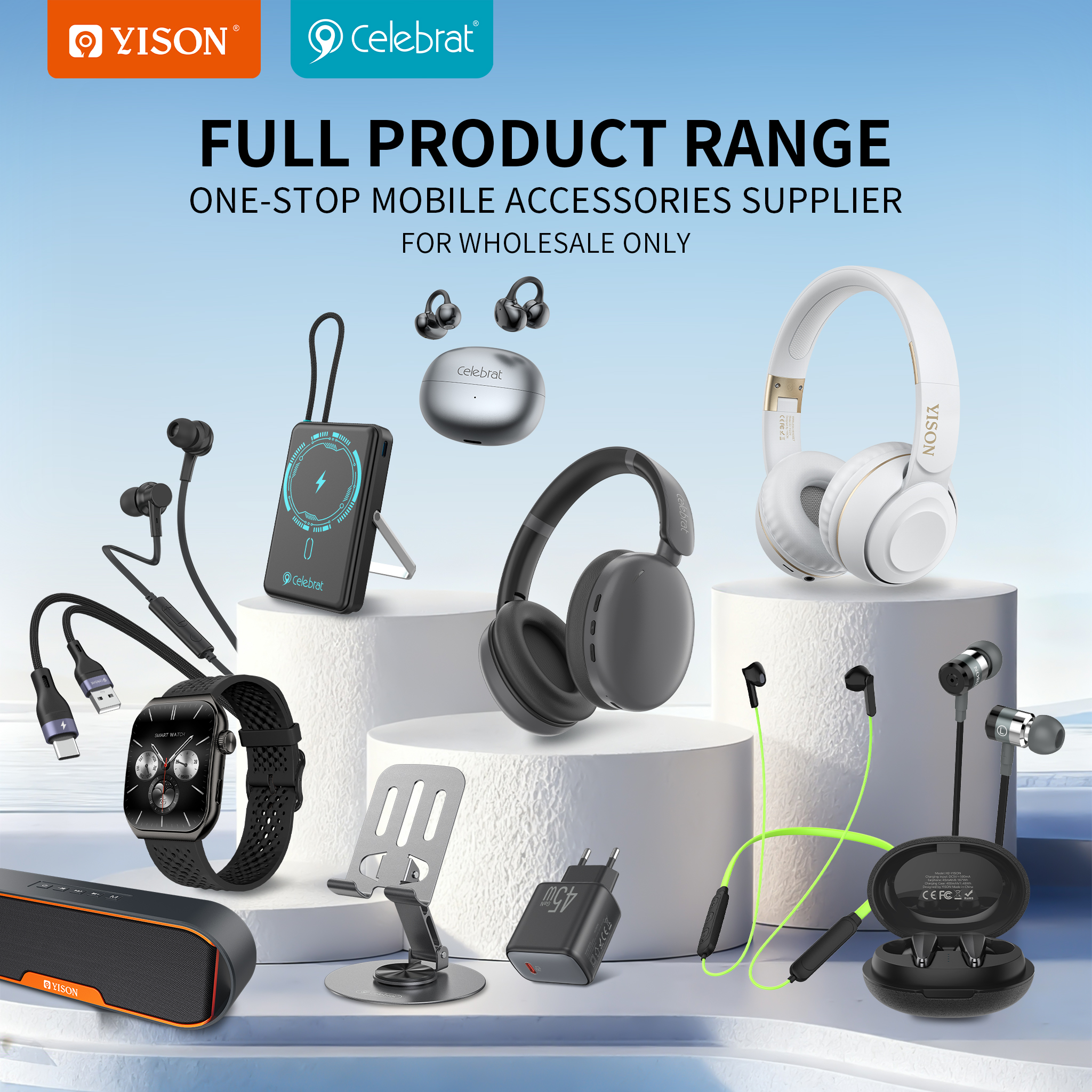
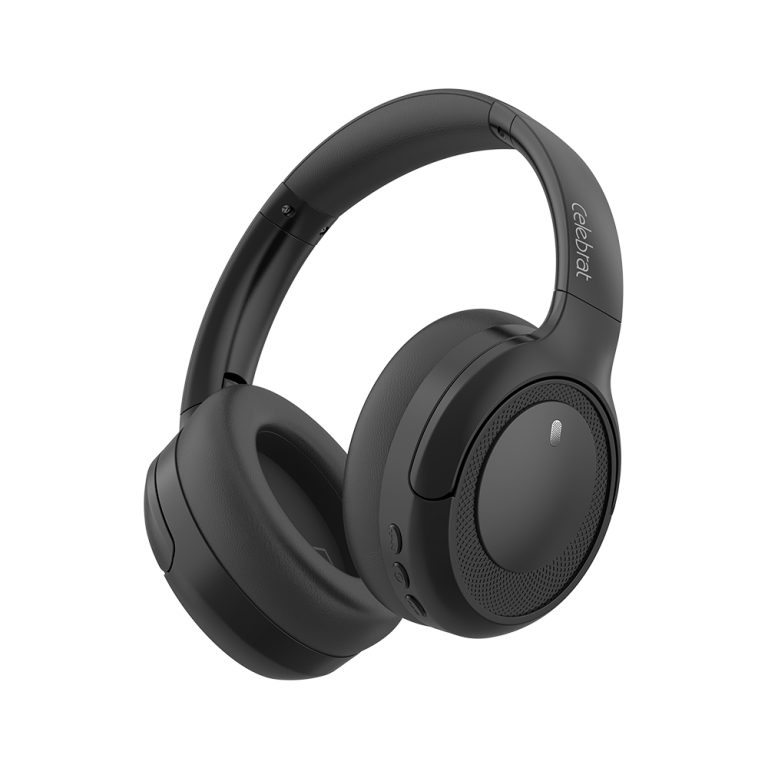
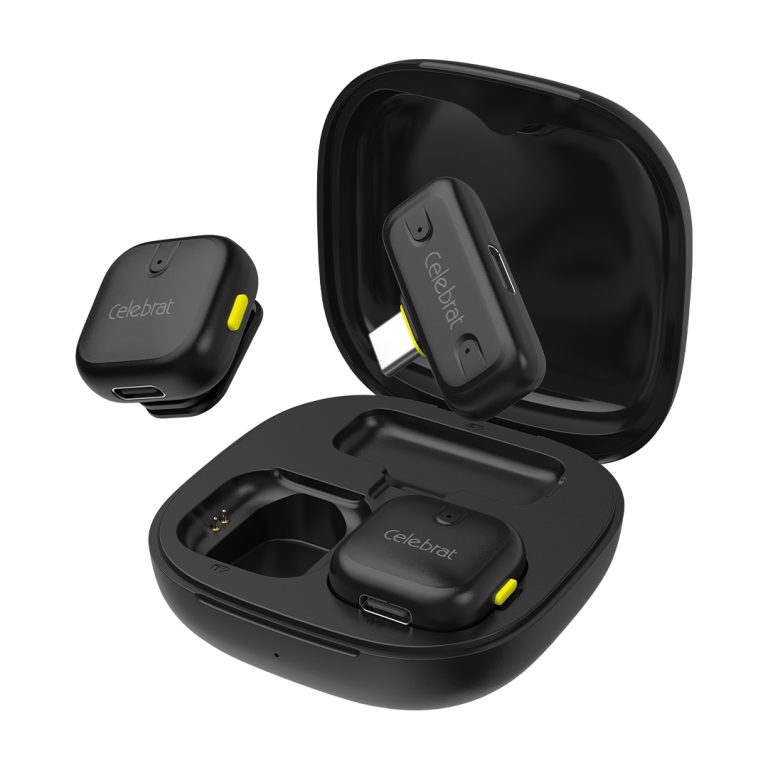
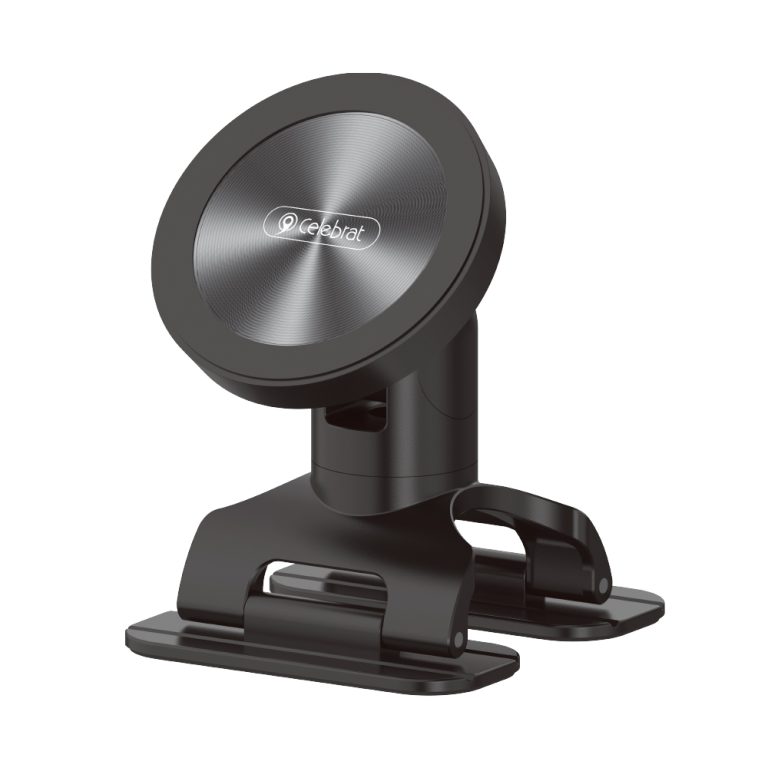
CELEBRAT is a mobile accessories brand under Guangzhou YISON Electronic Technology Co., Ltd. Its product portfolio covers categories including audio products, charging accessories, smart wearables, and other mobile-related accessories.
For international wholesalers, retailers, and potential distributors who want to evaluate CELEBRAT, the following official resources provide a starting point:
- Brand background: https://celebrat.com/brand-story/
- Product portfolio: https://celebrat.com/product/
- Distributor cooperation: https://celebrat.com/become-distributors/
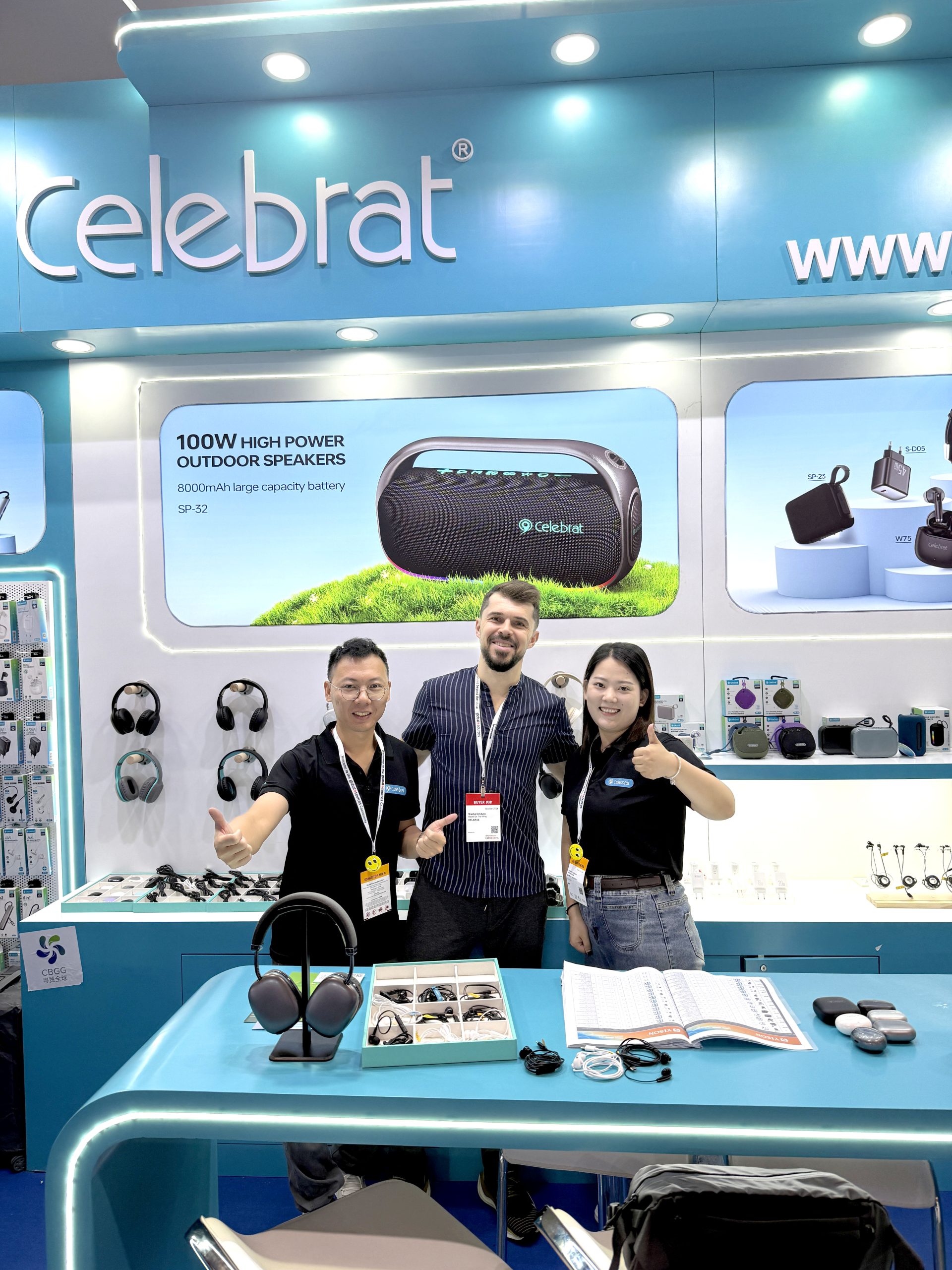
CELEBRAT is sharing this guide as general sourcing information. CELEBRAT is not participating in the October 2026 exhibitions discussed in this article, and this guide does not indicate that the brand has a booth at any of them.
Buyers interested in cooperation can review the official product information and contact the brand directly to discuss product availability, order requirements, and distributor eligibility.
8. Frequently Asked Questions
Q1. Which China trade show is best for mobile accessories buyers in October 2026?
Global Sources Hong Kong Shows is a relevant option for buyers focused on consumer electronics and mobile accessories. The Canton Fair may suit buyers with broader sourcing requirements. Always review the official product categories and exhibitor information before planning your visit.
Q2. How can overseas buyers avoid unreliable Chinese suppliers?
Verify the supplier’s identity, compare complete quotations, test product samples, review relevant compliance documentation, clarify warranty terms, and use written contracts. For larger purchases, consider independent inspections and additional due diligence.
Q3. Is the lowest supplier quotation always the best option?
No. Buyers should compare product specifications, quality, MOQ, packaging, shipping, payment terms, warranty support, and total landed cost. The lowest unit price may not produce the best overall purchasing outcome.
Q4. Should I place a large order immediately after meeting a supplier at an exhibition?
Not necessarily. If you have not previously worked with the supplier, consider sample testing or a controlled trial order. Increase order quantities after confirming product quality, delivery performance, and local market demand.
Q5. What should I ask a mobile accessories supplier before placing an order?
At minimum, confirm the exact model and specifications, unit price, MOQ, lead time, packaging, applicable certifications, payment terms, shipping arrangements, warranty coverage, and procedures for defective products.
Q6. Can I source products without attending a trade show?
Yes. You can identify potential suppliers through official websites, product catalogs, industry referrals, and direct online communication. However, you should still verify the supplier, assess samples where appropriate, and document the commercial terms before ordering.
Q7. How can I find a Chinese mobile accessories brand for distribution?
Start by identifying brands with products suited to your market. Evaluate their portfolio, wholesale terms, supply capabilities, after-sales policies, marketing support, and distributor requirements. Contact the brand directly to discuss territory availability and the conditions for cooperation.
Conclusion: Turn Trade Show Meetings into Better Purchasing Decisions
China’s October sourcing exhibitions provide international buyers with opportunities to discover products, compare suppliers, and develop new business relationships. But the real value comes from selecting partners who can meet your requirements after the exhibition ends.
Prepare your purchasing objectives in advance, evaluate suppliers using consistent criteria, test products before scaling up, and document all important commercial terms. These steps can help reduce procurement risks and create a more sustainable wholesale business.
Whether you source directly at exhibitions or through online channels, focus on three priorities: product quality, total procurement cost, and long-term supplier reliability.
If you are exploring mobile accessories for your wholesale or distribution business, visit the CELEBRAT product portfolio to review available categories, or learn more about CELEBRAT distributor cooperation.
Disclaimer: Exhibition dates and details are based on the organizers’ published information available when this article was prepared. Please check the official exhibition websites for the latest schedules, venue information, registration requirements, and exhibitor lists.