
Why is it that, among mobile accessories, some products sell thousands of units a month while others languish unsold in the warehouse for half a year?
This is a question that many mobile accessories wholesalers face every day.
You’ve probably experienced this:
- A batch of TWS earbuds sells out as soon as they arrive;
- A certain data cable model keeps getting reordered;
- But another batch of products sits in the warehouse for over six months;
- Your capital is tied up in inventory, preventing you from purchasing new products.
Many wholesalers attribute the problem to: “The market is bad.”
But is that really the case?
The market is growing, and demand has never disappeared.
According to industry data, the global mobile phone accessories market is expected to reach $189.9 billion by 2033, with a compound annual growth rate of 7.8% from 2026 to 2033. The market as a whole continues to grow steadily.
This means: the market doesn’t lack demand—it lacks products that meet market demand.
I. Why Do Some Products Sell Fast?
1. The product solves a high-frequency user need
Consumers don’t change their phones every day, but they do buy frequently:
- Data cables
- Chargers
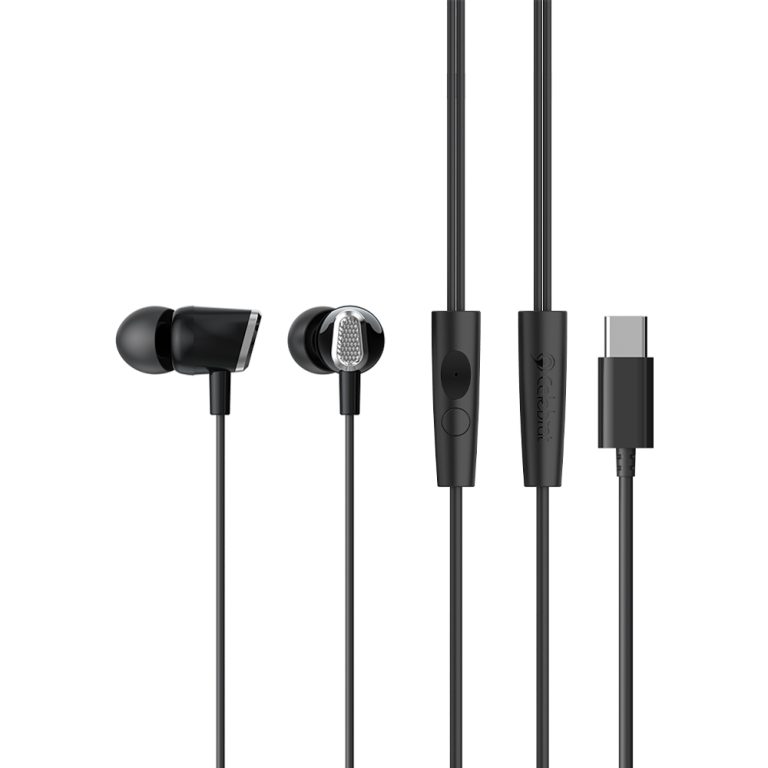
- Earphones/headphones
- Phone cases
These products are high-frequency consumables—data cables break easily, chargers get lost easily, and earphones are constantly being upgraded. They naturally have higher inventory turnover rates.
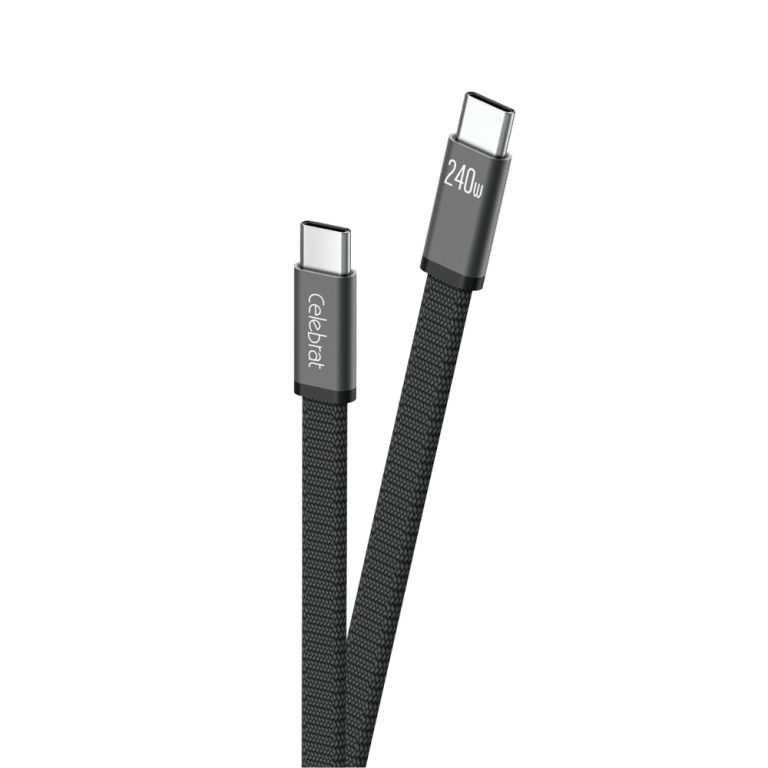
Check out Celebrat’s best-selling charging cable series:
Celebrat Charging Cables Collection
2. The product aligns with market trends
The fastest-growing categories in recent years include:
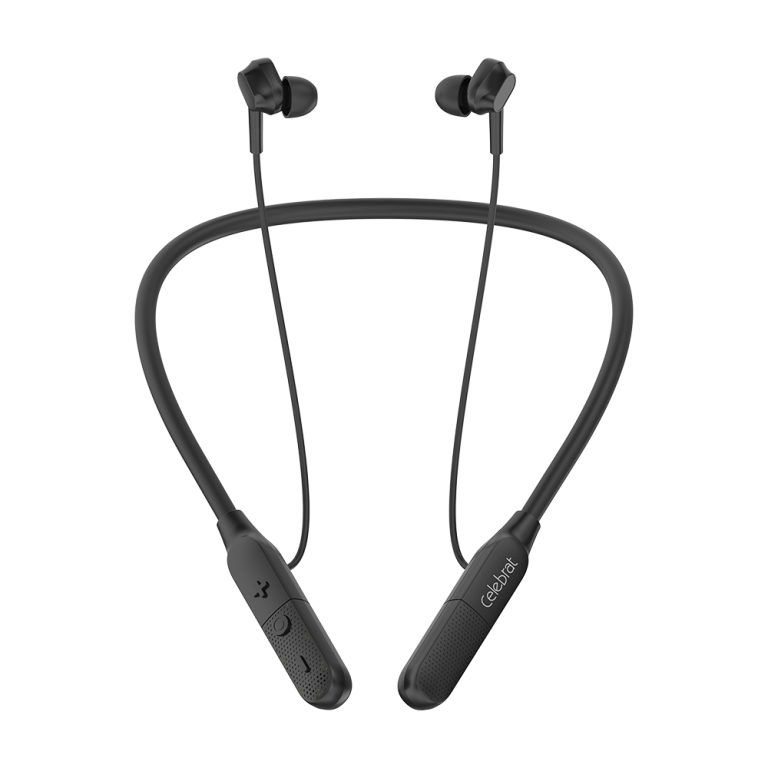
TWS Wireless Earbuds
Industry data shows that the earphone and headphone audio product category is expected to maintain a growth rate of over 8%, higher than the overall market growth rate. The reason is simple: consumers are shifting from wired earphones to wireless earbuds.
Popular product reference:
Celebrat TWS Earbuds Series
Fast Charging Products
With the of USB-C and upgrades in fast-charging technology, consumer demand for PD fast chargers, GaN chargers, and fast-charging data cables continues to rise.
Popular product reference:
Celebrat Chargers Collection
3. The product fits the local market
The biggest mistake many wholesalers make is: directly copying best-selling products from other countries.
Different markets have completely different demands:
- African market best-sellers: Bluetooth speakers, high-power chargers, long-battery-life earphones
- Middle Eastern market best-sellers: TWS earbuds, phone cases, fast-charging kits
- Latin American market best-sellers: Bluetooth earphones, data cables, power banks
The products that sell fast are often not global best-sellers, but local best-sellers.
II. Why Do Some Products Sit Unsold for a Long Time?
1. Buying based solely on price
“Whichever is cheaper—I’ll buy that.” This is a habit for many purchasers.
But the result is often: although the procurement cost of cheap products is low, consumers don’t buy them. In industry discussions on Reddit, many sellers have mentioned that consumers are increasingly paying attention to quality, design, and brand, not just price.
Low price ≠ High sales volume.
2. Too many SKUs, scattered capital
Many wholesalers have warehouses full of:
- 100 types of data cables
- 50 types of earphones
- 30 types of chargers
Perhaps only 20% of these are actually. The remaining 80% of SKUs occupy inventory and tie up capital for a long time. The more inventory, the slower the capital turnover, and the higher the risk.
3. Blindly following trends
Seeing what competitors are selling and buying the same, without considering:
- Local purchasing power
- Differences in user preferences
- Whether the sales channels match
The result is often: others sell out, but you’re stuck with excess inventory.
III. A Real Case: Selling the Same Type of Earphones, Yet Completely Different Results
In 2025, an East African wholesaler purchased two models of earphones at the same time:
| Product | Purchase Price | Sales Performance | Result |
|---|---|---|---|
| Non-branded low-price earphones | $2.0 | Sold 300 units then stalled | Thin profit margins |
| Branded TWS earbuds | $4.5 | Reordered 5 times | 40%+ higher profit |
Consumers are increasingly inclined to buy products with better appearance, more stable quality, and stronger brand recognition.
IV. How to Improve Product Turnover?
Strategy 1: Follow the “70-20-10” Inventory Principle
| Ratio | Category | Examples |
|---|---|---|
| 70% | Mature best-sellers | Data cables, chargers |
| 20% | Growth categories | TWS earbuds, Bluetooth speakers |
| 10% | New product testing | For finding the next hit product |
This approach ensures stable cash flow while continuously discovering new opportunities.
View mature best-sellers:
Celebrat Best Selling Chargers & Cables
View audio products:
Celebrat Audio Products
Strategy 2: Focus on repurchase rate, not per-unit profit
Many wholesalers focus only on per-unit profit, but the truly profitable ones look at how many times a product can be sold in a year.
- A data cable may have a profit margin of only 20%, but can be reordered 12 times a year
- A niche product may have a profit margin of 50%, but sells less than twice a year
In the end, the high-turnover data cable is more profitable.
Strategy 3: Choose a supplier with continuous new product capabilities
The market is changing faster and faster, and the products that sell fast are also constantly evolving. Choosing a supplier that can continuously launch new products is crucial.
Celebrat regularly launches new products and market-trending items every month, helping wholesalers stay competitive:
Celebrat Product Center
V. Before Purchasing, Ask Yourself These 5 Questions
Before purchasing any product, ask yourself these 5 questions:
- ✅ Does it solve a high-frequency user need?
- ✅ Does it align with current market trends?
- ✅ Does it fit the target market?
- ✅ Is it likely to generate repeat purchases?
- ✅ Is there a stable supply chain to support it?
If you can answer “yes” to 4 or more of these 5 questions, the product usually has good sales potential.
Conclusion: Inventory Is Not an Asset—Turnover Is Profit
The biggest misconception among many wholesalers is: thinking that the more goods in the warehouse, the safer it is.
But the truth is: inventory itself does not create profit—only products that are sold generate cash flow.
Successful mobile accessories wholesalers typically share these characteristics:
✅ Focus on high-frequency demand products
✅ Control the number of SKUs and refine their selection
✅ Continuously monitor market trends
✅ Test new products quickly with small-batch trials
✅ Build long-term partnerships with stable suppliers
In the mobile accessories industry, the ones who truly make money are not those with the most inventory, but those with the fastest inventory turnover.
If you want to improve product turnover and reduce inventory risk, choosing a one-stop supplier with a complete product line, continuous new product capabilities, and market support is a key step toward improving sales efficiency.
Learn more about products and partnership opportunities:
Celebrat Distributor Program