
H1: Exclusive vs Non-Exclusive Distributor – Which One Is Right for You?
In the mobile accessories industry, becoming a brand distributor is an important way to increase profits and expand your market. However, faced with two models – Exclusive Distributor and Non-exclusive Distributor – many potential distributors often hesitate:
- Should I choose an exclusive distributorship?
- Is the flexibility of non-exclusive distribution better for me?
- Which model is more beneficial for long-term profit and market expansion?
This article will help you find the most suitable distribution model for your situation through comparative analysis.
H2: What Is an Exclusive Distributor?
Definition
An exclusive distributor means that a brand authorizes only one distributor in a given country or region, granting that distributor exclusive sales rights within that territory.
Advantages (Keywords: exclusive distributor advantages, exclusive sales rights, mobile accessories distributor)
- Market protection: No intra-brand competition, less sales pressure
- Higher profit margins: Exclusive market access, stronger pricing control
- Brand support: The brand typically provides more marketing support and training
- Long-term cooperation: Brands prioritize long-term strategic partnerships with exclusive distributors
Disadvantages
- High entry barrier: Usually requires larger capital investment and market coverage capabilities
- High pressure: Must take responsibility for regional market promotion and sales targets
- Concentrated risk: Market risk is borne entirely by you
H2: What Is a Non-Exclusive Distributor?
Definition
A non-exclusive distributor means that a brand allows multiple distributors to sell the same brand’s products within a region.
Advantages (Keywords: non-exclusive distributor, flexible distribution model, mobile accessories wholesale)
- Low entry barrier: No need for large capital or extensive channels to participate
- Risk diversification: Market risk is shared among multiple distributors
- High flexibility: Can represent multiple brands simultaneously, reducing reliance on a single brand
Disadvantages
- Intense competition: May compete directly with other distributors in the same region
- Lower profit margins: Price competition can compress profits
- Limited brand support: Non-exclusive distributors typically receive fewer marketing and training resources
H2: How to Choose the Most Suitable Distribution Model for You?
1. Evaluate Your Market Capability
- Mature sales channels and customer base → Suitable for exclusive distributor
- Limited channels or just starting out → Non-exclusive is safer
2. Capital and Risk Tolerance
- High investment, high risk → Can pursue exclusive distribution rights
- Low investment, low risk → Non-exclusive allows quick start
3. Long-Term Goals and Strategy
- Want to build regional brand influence → Exclusive is better for long-term development
- Short-term profit oriented → Non-exclusive offers flexible operations
To learn how to evaluate a brand and market potential, refer to:
How to Evaluate a Mobile Accessories Brand Before Partnership
H2: Impact of Exclusive vs Non-Exclusive Distribution on Profit and Market
| Metric | Exclusive Distributor | Non-Exclusive Distributor |
|---|---|---|
| Market share | High | Low to Medium |
| Competitive pressure | Low | High |
| Profit margin | High | Medium |
| Capital investment | High | Low |
| Risk | High | Diversified |
By analyzing data, you can choose the most suitable model based on your own resources, market, and strategic goals.
H2: How Does CELEBRAT Support Distributors?
With extensive global distribution experience, CELEBRAT provides distributors with:
- Brand support: Marketing materials, online promotion solutions
- Territory protection: Exclusive or semi-exclusive opportunities
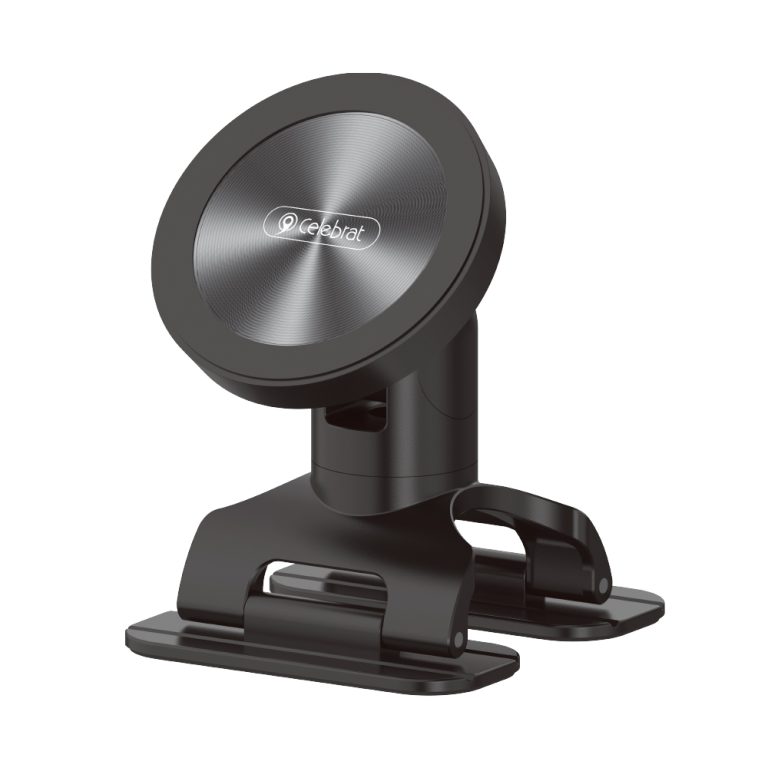
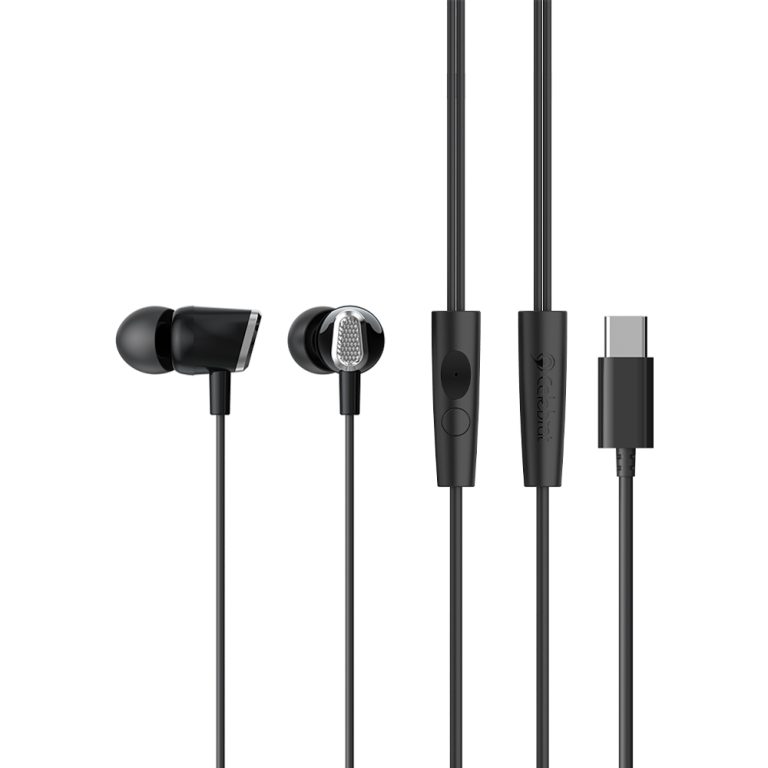
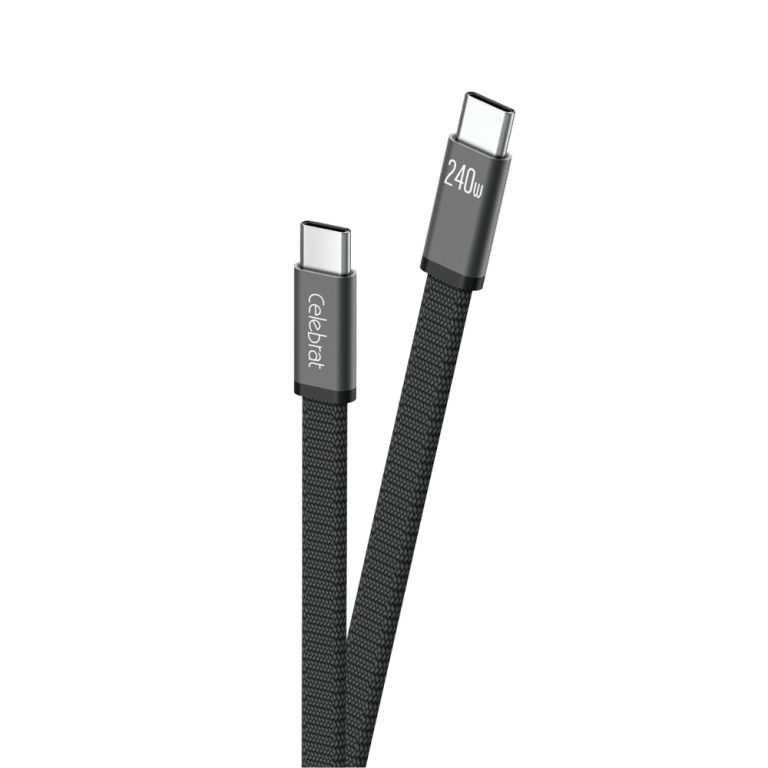
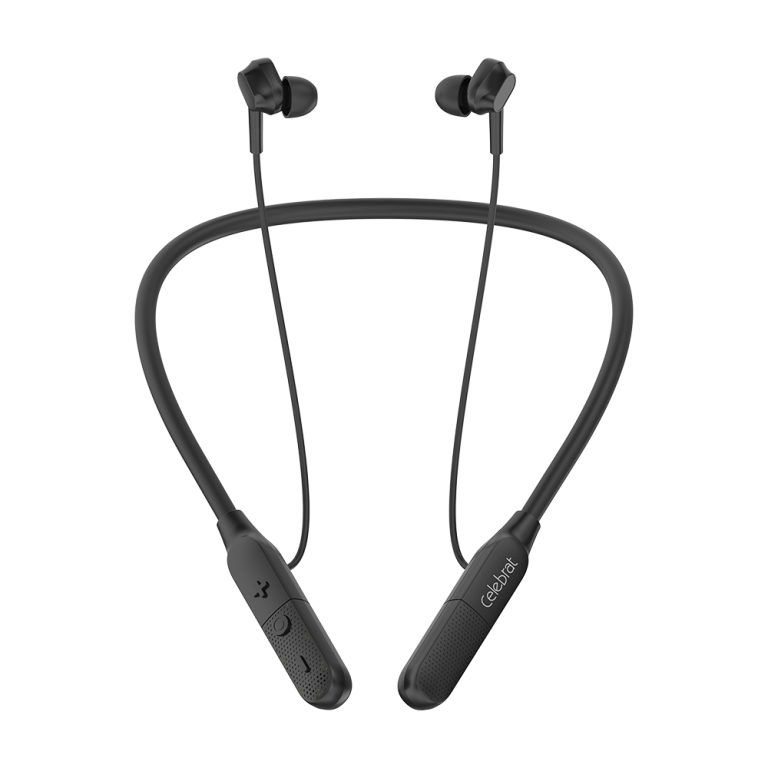
- Product supply: 20+ categories including TWS earbuds, charging products, smart wearables, computer peripherals
- Long-term training: Product knowledge, sales strategies, and market analysis
Related case studies:
H2: Conclusion
Choosing between exclusive and non-exclusive distribution depends on your:
- Market capability
- Capital and risk tolerance
- Long-term strategic goals
Choose exclusive distribution if you want to build brand and market influence in a specific region.
Choose non-exclusive distribution if you want a low-cost, fast start.
Regardless of which model you choose, the key is to partner with a reliable brand. Stable supply and continuous support are the core of successful distribution.
Want to learn more about distribution opportunities? Visit the CELEBRAT official website to apply for distribution:https://celebrat.com/become-distributors/
FAQ
Q1: Does exclusive distribution require a large one-time capital investment?
A: In most cases, yes, because exclusive distributors need to cover regional market promotion and inventory pressure. However, long-term returns are higher.
Q2: Can a non-exclusive distributor upgrade to exclusive distributor?
A: Some brands allow non-exclusive distributors to compete for exclusive rights after demonstrating good market performance.
Q3: How can market risk be reduced for an exclusive distributor?
A: Through market research, product mix optimization, and brand promotion support, risk can be effectively reduced.