
Quick answer: A strong mobile accessories dealer network is built in four moves. First, map local demand before you recruit anyone. Second, design a multi-level channel instead of selling shop to shop. Third, recruit through a repeatable six-step process with written dealer qualification criteria. Fourth, keep dealers active with product training, marketing assets and performance reviews. The Chinese brand you choose as your supply partner determines how much of that work you have to do alone.
In this guide:
- Understand your local market before recruiting dealers
- Build a multi-level dealer network
- Choose the right Chinese brand as your supply partner
- Develop a dealer recruitment strategy that converts
- Set different cooperation policies for different dealer levels
- Support dealers with products, training and marketing
- Measure dealer performance and expand on data
- What to ask a Chinese brand partner before you sign
Introduction: Getting Distribution Rights Is Only the BeginningFinding a reliable Chinese supplier is the easy part. Turning a signed supply agreement into a dealer network that reorders every month is where most distributors stall.
The first shipment arrives. The catalogue looks good. The margins are workable. And then the containers sit in the warehouse while the sales team sends the same WhatsApp message to three hundred phone shops and hears nothing back.
That gap — between having distribution rights and having distribution — is what separates a trading business from a brand business.
The scale of the opportunity is real. According to the GSMA’s Mobile Economy 2026 report, the global mobile ecosystem supported approximately 5.8 billion unique mobile subscribers and 8.8 billion wireless connections. Every one of those connections is a device that needs a charger, a cable, a case, a pair of earbuds, or a replacement for something that broke last month. Accessories are a repeat-purchase category attached to an installed base of billions.
But the opportunity is not “sell more accessories.” It is to build a local supply network that retailers can rely on — predictable stock, honest pricing, sellable products and a brand that helps them close a sale at the counter.
That is a distribution problem, not a sourcing problem. This guide walks through the distribution side step by step, and then explains what to look for when selecting a Chinese mobile accessories brand as a long-term partner.
1. Understand Your Local Market Before You Recruit a Single Dealer
The most common mistake new distributors make is treating dealer recruitment as a numbers game: collect as many contacts as possible, pitch everyone, and hope volume produces revenue.
A large dealer list does not mean a strong distribution network. Fifty shops that order once are worth less than eight that reorder every month.
Before you approach a single retailer, answer these questions:
- Which cities have the highest concentration of mobile phone retailers?
- Which mobile accessories categories have strong, repeated local demand?
- Are customers buying mainly in physical stores, online marketplaces, or both?
- Which competing brands already own shelf space, and at what price points?
- What retail price bands do local consumers actually accept?
- Which retailers have the cash flow and floor space to become regular customers?
The four types of buyers you will actually meet
Almost every potential customer in this category falls into one of four groups. They behave differently, and they should never receive the same pitch.
| Dealer Type | Business Characteristics | Distribution Opportunity |
| Mobile Phone Retail Stores | Sell smartphones, accessories and related services | Regular replenishment and new product introductions |
| Mobile Accessories Wholesalers | Supply smaller retailers and resellers | Larger orders and broader market coverage |
| Electronics Retail Chains | Operate multiple physical stores | Multi-location distribution agreements |
| Online Retailers and E-commerce Sellers | Sell through marketplaces and independent websites | Wider geographical reach and digital sales |
A single phone shop usually wants a small mixed order: a few popular earbuds, some fast chargers, cables in the colours that move, and a handful of power banks. A regional wholesaler wants volume pricing, stable inventory and a selection wide enough to fill a container. An online seller wants product images, spec sheets and stock that can be restocked in days, not weeks.
Selling to all four with one catalogue and one price list is how distributors end up with no margin and no loyalty.
Build a local dealer opportunity map
Before entering a new city, put the market on one page. For each target district, record:
- City and commercial district
- Estimated number of mobile accessories retailers
- Existing wholesale markets and their opening patterns
- Main competing brands and their retail price points
- Identified potential wholesale customers
- Estimated monthly purchasing capacity per customer
This becomes your expansion roadmap. It also stops you from opening three cities at once and serving none of them well.
Practical recommendation: start with one or two commercially important cities. Build ten to fifteen genuinely active dealers. Then use that reference base — real names, real reorder data, real shelf photos — to open the surrounding region. Distributors who can show a working city sell a region far more easily than distributors who can show a mailing list.
2. Design a Multi-Level Dealer Network Instead of Chasing Individual Shops
A distributor that sells only direct to individual stores has a ceiling. Every order is small, every delivery is costly, and growth depends entirely on how many shops one sales team can physically visit.
A multi-level structure removes that ceiling.
Brand Owner → National or Regional Distributor → City Wholesalers → Retail Dealers → End Consumers
| Distribution Level | Main Responsibility | Business Objective |
| Brand Owner | Product development, supply, brand positioning, marketing support | Build brand competitiveness |
| National Distributor | Market strategy, inventory management, regional channel development | Expand national coverage |
| Regional Distributor | Develop city-level wholesale customers | Increase regional sales |
| Local Wholesaler | Supply independent stores and smaller retailers | Improve product availability |
| Retail Dealer | Display and sell products to consumers | Generate retail sales |
Not every market needs all five levels. In a smaller country, a national distributor may serve wholesalers and retail stores directly. In a large market with strong regional differences, an extra layer often pays for itself in coverage.
What matters is that responsibilities are written down. When two partners in the same territory both believe they own the same retail chain, the argument costs more than the order.
How to recruit at each level
Regional wholesalers. Target companies that already supply phone stores, electronics retailers or repair shops. They have purchasing relationships, warehouse space and a delivery route. You are not teaching them the category — you are giving them a better brand to carry.
Retail dealers. Look for steady foot traffic, an existing accessory wall or counter, and the ability to restock without waiting for a customer to ask. A shop that sells one case a week is a display account, not a dealer.
Online retailers. Prioritise sellers with an established storefront, active social accounts and experience shipping electronics. Check their review history and how they handle warranty complaints — that is your brand’s after-sales reputation in public.
Write down dealer qualification criteria
Before appointing anyone, score them against the same six criteria:
| Criterion | What to Check |
| Customer base | Existing foot traffic or buyer list, and its size |
| Category experience | Years selling mobile accessories, not just phones |
| Current portfolio | Which brands and price points they already carry |
| Purchasing capacity | Realistic monthly order value and payment history |
| Channel coverage | Physical stores, online, sub-dealers, delivery radius |
| Brand capability | Willingness to display, promote and hold price |
A smaller dealer with a reliable customer base and a clean payment record is usually worth more than a large buyer who orders once before a holiday and disappears.
3. Choose the Right Chinese Mobile Accessories Brand as Your Supply Partner
Your dealer network can only grow as fast as your supply partner allows. If stock arrives late, if a model is discontinued without notice, or if the packaging looks cheap on a premium shelf, no amount of local selling effort fixes it.
When evaluating a China mobile accessories supplier, look past the lowest quotation. The cheapest FOB price is frequently the most expensive decision in this business.
Five factors to evaluate
1. Product category coverage
A supplier with multiple categories lets you serve different customer needs through one purchasing relationship, one payment channel and one shipment. A typical mobile accessories wholesale portfolio covers:
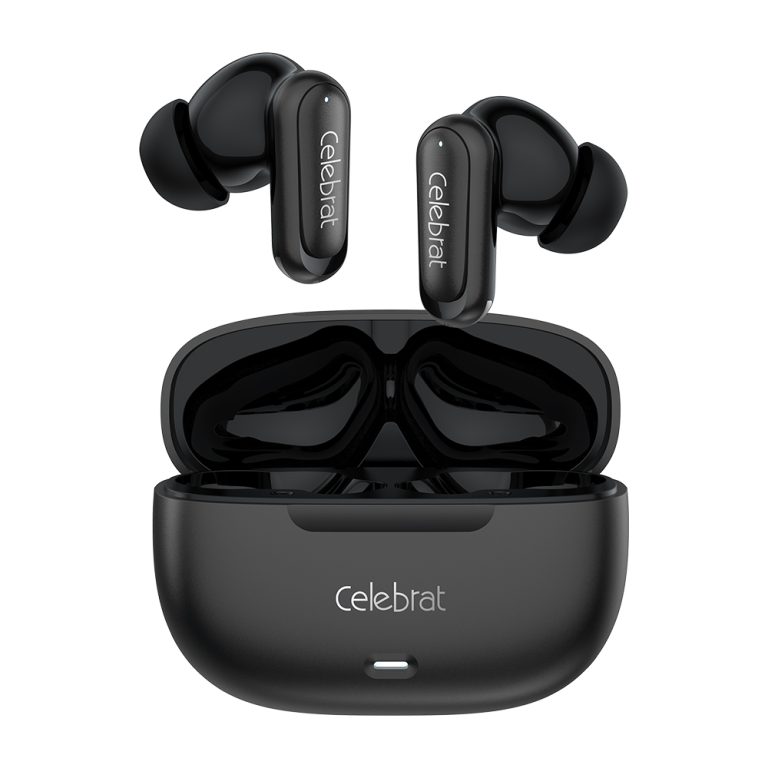
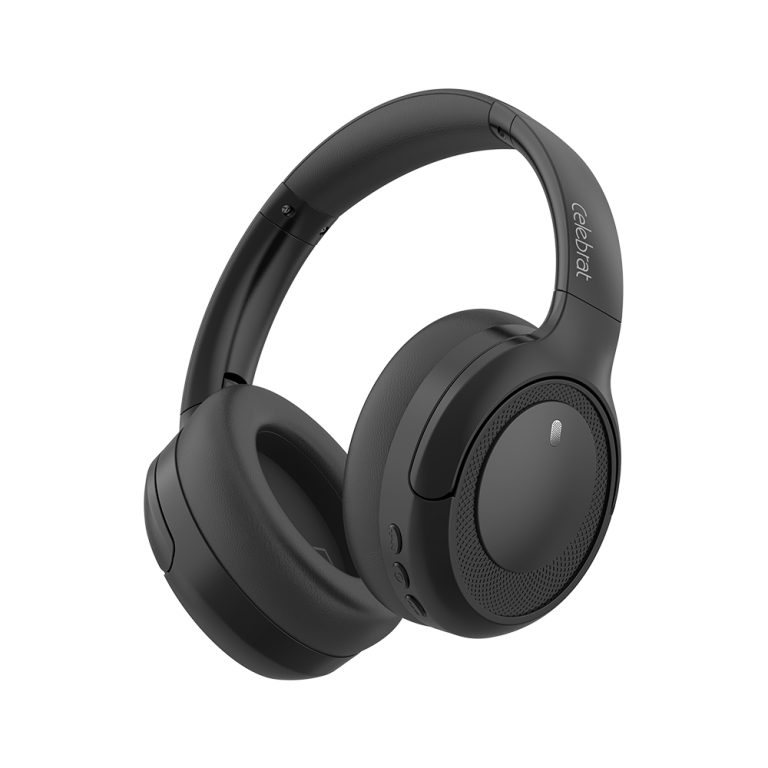
- Audio: TWS earbuds, wired earphones, headphones, Bluetooth speakers
- Charging: wall chargers, car chargers, power banks
- Connectivity: data cables, adapters and mobile connectivity accessories
- Wearables: smart watches and related devices
- Protection and lifestyle: cases, screen protection and other peripherals
Broader coverage creates mixed-category orders and cross-selling. It also means a retailer can fill an accessory wall from one brand instead of juggling six suppliers with six sets of terms.
2. Product development capability
Ask how many new models the brand releases per year and how quickly it responds to category shifts — fast charging standards, new connector types, new phone form factors. A brand that refreshes its range gives you a reason to call existing dealers every quarter instead of only when they need to restock.
3. Quality control and product documentation
Request specifications, available test reports, applicable certifications and warranty terms in writing. For electronics, the required documents depend on the destination market and product category — confirm what your market actually requires rather than assuming a single certificate covers everything.
Ask specifically: what happens with a batch that fails in the field? A supplier with a written process answers in one sentence. A supplier without one changes the subject.
4. Stable supply and communication
Test this before you commit to volume. Place a repeat order and watch three things: how quickly the proforma invoice arrives, whether the quoted lead time holds, and whether anyone tells you proactively when it does not. Communication under normal conditions predicts behaviour under pressure.
5. Distributor and marketing support
A professional brand partner provides more than a PDF catalogue. Look for:
- Product images and short marketing videos, cleared for your own channels
- Product training and technical documentation
- Sales material your dealers can hand to end customers
- After-sales service and spare-parts assistance
- Regional distribution policy, in writing
- New product information and launch support
These resources compress the time and cost of opening a market. A distributor with ready assets can brief twenty dealers in a week; a distributor waiting for photos loses the season.
Why consider CELEBRAT as a Chinese mobile accessories brand?
CELEBRAT is a mobile accessories brand under Guangzhou YISON Electronic Technology Co., Ltd., a company with industry experience dating back to 1998. CELEBRAT was launched in 2017 to expand the company’s brand portfolio.
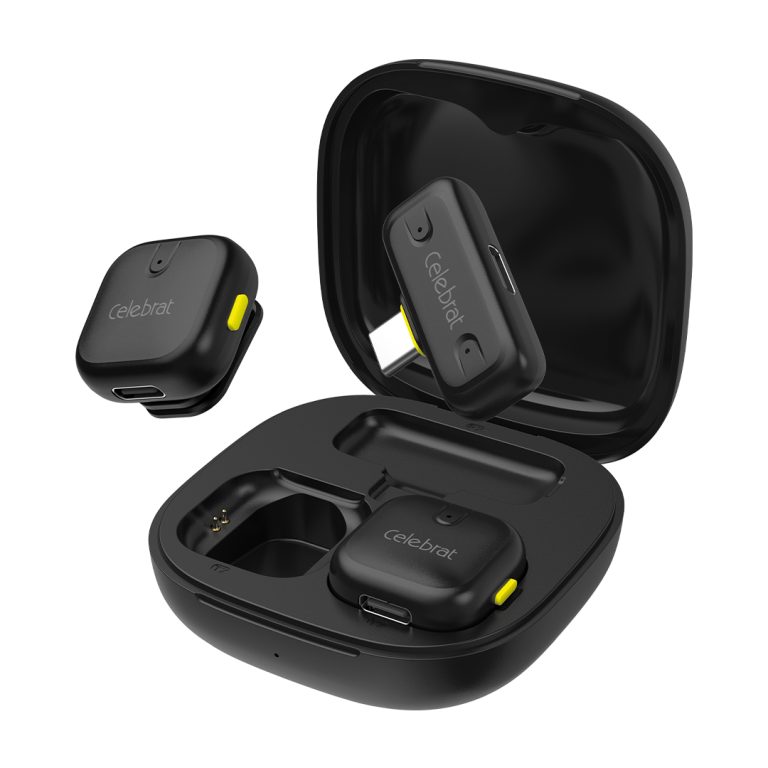
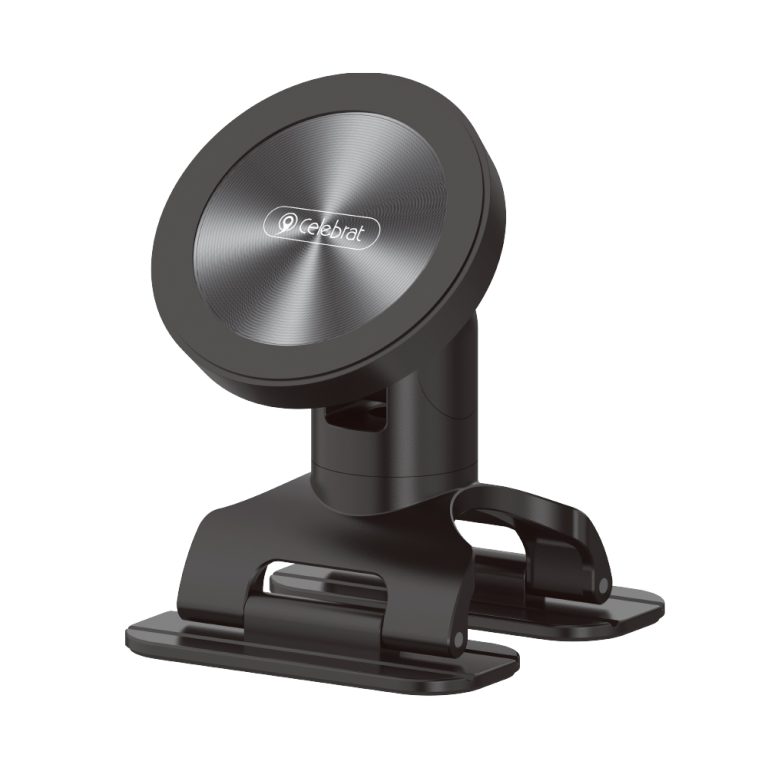
The brand focuses on a one-stop mobile accessories offering covering audio, charging, protection, smart wearables and lifestyle-related products.
According to CELEBRAT’s official distributor information, the brand offers:
- More than 20 product categories
- Over 200 new product releases annually
- Distribution cooperation across more than 150 countries and regions
- Regional distribution protection and exclusive authorization opportunities
- Marketing materials, product training and after-sales support
For overseas wholesalers and distributors looking for Chinese mobile accessories brands, that combination means one sourcing relationship covering several shelves, plus a partner structured to support a branded local business rather than a one-off container purchase.
Learn more:
4. Build a Dealer Recruitment Process That Actually Converts
Finding potential dealers is not recruiting them. Most distributors stop at the first step: a long list of phone numbers and a promotional message sent to all of them.
A repeatable process beats a large list every time.
Where to find mobile accessories dealers
| Channel | Target Customers | Recommended Approach |
| Google Search and Google Maps | Local wholesalers and retail shops | Search by city plus business category, verify address and storefront photos |
| Importers, distributors, business owners | Identify decision-makers, approach with company context | |
| Wholesalers and retail businesses | Join local trading groups, identify active sellers | |
| Electronics retailers and online sellers | Review business profiles and product activity | |
| Local wholesale markets | Established wholesalers and importers | Visit in person, bring samples and a price list |
| Electronics exhibitions | Importers and regional distributors | Build direct relationships, book follow-up meetings |
| B2B platforms | International buyers and wholesale companies | Present catalogues and business credentials |
A distributor entering Kenya, for example, would map Nairobi’s electronics and mobile accessories trading areas before selecting a first group of wholesale partners. The same method adapts to Egypt, Nigeria, the UAE, Malaysia, Chile and most other markets — the channels change, the sequence does not.
The six-step recruitment process
Step 1: Build a prospect list. Collect company name, website, WhatsApp number, email, social profiles and physical location. Keep it in one sheet with a status column. A prospect list without status tracking becomes a contact list nobody calls twice.
Step 2: Qualify before you pitch. Confirm the business actually sells mobile accessories, has an existing customer base, and operates at a price level your products fit. Qualifying twenty real prospects beats messaging two hundred unknown ones.
Step 3: Introduce the brand concisely. One short message: who you are, what you distribute, which categories, and why it is relevant to their shelves. Attach the catalogue — do not paste it into the message.
Step 4: Present a relevant selection. Do not send the full range. Pick eight to twelve SKUs matched to that dealer’s customer profile and price band. A curated shortlist signals that you understand their business; a 200-page catalogue signals that you do not.
Step 5: Offer samples or a trial order. Let them test quality, packaging and customer acceptance before committing to volume. A trial order also tells you how they pay.
Step 6: Convert to an active dealer. Agree pricing, order cadence, delivery expectations, display commitments and the next contact date. Put it in writing, even if it is a one-page confirmation.
A structured process with twenty prospects outperforms an unstructured blast to a thousand.
5. Set Different Cooperation Policies for Different Dealer Levels
The same terms for everyone is not fairness — it is a policy that overpays small buyers and underpays the partners doing the heavy lifting.
| Customer Type | Purchasing Model | Recommended Support |
| National Distributor | Large-volume, planned purchases | Regional authorization, annual targets, marketing support |
| Regional Wholesaler | Regular bulk purchases | Tiered pricing and product promotions |
| Retail Chain | Multi-store purchasing | Assortment planning and store display support |
| Independent Retailer | Smaller, more frequent orders | Mixed orders and curated product recommendations |
| Online Seller | Flexible purchasing based on sell-through | Digital marketing assets and product information |
Protect your channels from day one
Channel conflict does not appear when a network is small. It appears the moment two dealers in the same city both start discounting to win the same customer — and by then the price has already moved.
Without written rules, distributors typically face:
- Price competition between authorised dealers
- Cross-territory selling
- Unclear online versus offline sales responsibilities
- Disputes over customer ownership
- Uncontrolled resale of products into unintended channels
Prevent these with six documents and habits:
- Clearly defined authorised sales territories
- Written distribution agreements, signed before the first shipment
- Transparent wholesale pricing tiers
- Explicit rules for online and offline selling
- Dealer registration and periodic performance review
- A stated procedure for resolving channel disputes
If exclusive regional distribution is available, define territory, permitted channels, performance requirements and termination conditions before signing. An exclusive agreement without a performance clause is a gift, not a partnership.
6. Keep Dealers Active with Product, Training and Marketing Support
Recruiting dealers creates a network on paper. Keeping them active creates a business.
Most dealer churn is not caused by price. It is caused by a retailer who does not know how to explain the product, cannot answer a customer’s compatibility question, and quietly stops reordering because the shelf is not moving.
Product presentation
Give dealers current catalogues, clean specifications, high-resolution product images and short demonstration videos. Retail staff sell what they can show. If the only asset a shop has is a box, the customer compares the box to the cheapest box next to it.
Product training
Run short, practical sessions — in person or on video — covering:
- Core product functions and the two or three features that matter at the counter
- Differences between models in the same range, and how to recommend one
- Charging specifications, wattage and device compatibility
- Audio features: codecs, battery life, pairing, latency
- The ten customer questions asked most often
- Basic after-sales and warranty procedure
A retailer who can explain why a 65W charger matters sells a 65W charger. A retailer who cannot sells whatever is cheapest.
Local marketing
Adapt brand assets to local language and buying habits:
- Arabic materials for Middle Eastern markets
- French and English for relevant African markets
- Spanish and Portuguese for Latin American markets
Then go one step further and localise the occasion: back-to-school, Ramadan, Christmas, payday weekends, exam season. Distributors who plan promotions around local buying moments sell more than distributors who forward the brand’s global calendar unchanged.
A brand that supplies usable marketing resources makes local distribution materially easier to run.
7. Measure Dealer Performance and Expand on Data, Not Instinct
A distribution network should be judged by throughput, not by the length of the dealer list.
Track six indicators:
| KPI | What It Measures | Why It Matters |
| Active Dealer Count | Dealers placing regular orders | The real size of the network |
| Dealer Activation Rate | Share of recruited dealers who place a first order | Recruitment effectiveness |
| Repeat Purchase Rate | Share of dealers placing additional orders | Retention and product fit |
| Average Order Value | Average value per dealer order | Purchasing potential and mix quality |
| Inventory Turnover | How quickly stock sells and is replenished | Working capital and stock risk |
| Regional Sales Growth | Sales by city or territory | Where to expand next |
A worked example
A distributor recruits 50 retail dealers in one city. After three months:
- 35 have placed a first order
- 20 have placed repeat orders
- 10 have stopped purchasing
- 15 have never completed a first order
The instinct is to recruit another 50 dealers. The better move is to diagnose the 25 that did not convert.
Common causes, in order of frequency: the product selection does not match local demand; the minimum order quantity is too high for a small shop; staff cannot explain the product; margins are thinner than the competing brand on the same shelf; or nobody followed up after the first delivery.
Each cause has a different fix. Only one of them is solved by recruiting more dealers.
The objective is not the largest dealer list. It is the most productive and sustainable dealer network.
8. What to Ask a Chinese Brand Partner Before You Sign
Selecting a supplier is a multi-year decision. Ask these eight questions, and write the answers into the agreement.
| Question | What You Should Verify |
| How long has the company operated in the industry? | Industry experience and business background |
| Which product categories are available? | Portfolio breadth and sourcing convenience |
| Can the supplier provide product certifications? | Market-specific compliance documents |
| What are the MOQ requirements? | Initial purchasing flexibility |
| Is regional distribution protection available? | Territory and channel policy, in writing |
| Does the brand provide marketing materials? | Local promotion support and asset ownership |
| How are product issues handled? | Warranty terms and after-sales procedure |
| Can the supplier support long-term orders? | Production capacity, inventory and communication |
A reliable Chinese mobile accessories supplier answers all eight clearly and in writing. Vague answers on certifications, territory or warranty are not a communication problem — they are information about how the relationship will run.
Do not choose a supplier on price alone. Evaluate its ability to support your business for several years, because your dealers are judging you by the same standard.
Why Work with CELEBRAT as Your Mobile Accessories Distribution Partner?
For importers, wholesalers and regional distributors looking for a mobile accessories brand in China, CELEBRAT combines product variety, industry experience and distribution support in one relationship.
CELEBRAT was launched in 2017 under Guangzhou YISON Electronic Technology Co., Ltd., whose industry history dates back to 1998. Its business model is built around international wholesale customers, authorised distributors and regional brand partners.
Key cooperation advantages
1. One-stop product portfolio Access multiple mobile accessories wholesale categories through one brand — audio, charging, protection, smart wearables and lifestyle products — so a dealer can fill a shelf from a single supplier.
2. Regional distribution opportunities Authorised distribution with clearly defined territories and cooperation conditions, including exclusive arrangements where the market supports them.
3. Product and marketing resources Catalogues, promotional material, product information and marketing support designed to help you build a local dealer network faster.
4. Industry experience The backing of a company involved in the mobile accessories industry since 1998 — relevant when you need production answers, not sales answers.
5. Long-term business cooperation A market expansion plan built with the CELEBRAT team around your distribution capability, product selection and agreed targets.
Who this fits
- Established electronics wholesalers adding a branded accessory line
- Mobile phone accessories importers entering a new category
- Regional distributors looking to become a mobile accessories distributor for a recognised brand
- Brand partners building a private distribution business around a Chinese manufacturer
Explore CELEBRAT distribution opportunities:
- Visit the CELEBRAT Distributor Program
- Explore CELEBRAT Products
- Visit the Official CELEBRAT Website
Frequently Asked Questions (FAQ)
1. How can I find a reliable mobile accessories supplier in China?
Start with suppliers that have a verifiable company background, established product categories, international trade experience and relevant product certifications. Request samples, compare quotations on landed cost rather than FOB price, and confirm warranty policy in writing before placing a large order. If you intend to build a branded distribution business, also evaluate marketing and dealer support — those decide whether the relationship scales past the first container.
2. How do I become a mobile accessories distributor?
Research your local market, identify your target customer groups and shortlist brands that fit your price band and channels. Contact the brand owner with your company profile, target territory, sales channels and purchasing plan. Discuss territory, pricing, MOQ and authorisation conditions, then start with a trial order. Some brands offer exclusive national or regional distribution where the market supports it.
3. What is the difference between a mobile accessories wholesaler and a distributor?
A wholesaler buys in bulk and resells to retailers or other businesses; the relationship is largely transactional and price-driven. A distributor takes on broader responsibility — developing regional sales channels, managing dealer relationships, promoting the brand and maintaining market coverage. Distributors usually receive territorial rights, better pricing and marketing support in exchange for those obligations.
4. Which mobile accessories categories should a new distributor start with?
It depends on local demand, competition, purchasing power and your sales channels. Audio products, charging accessories, cables, power banks and smart wearables are the usual starting categories because they turn over quickly and suit both phone shops and online sellers. Start with a manageable assortment, measure sell-through per SKU for one or two quarters, then expand into what actually moves.
5. Does CELEBRAT offer regional or exclusive distribution opportunities?
Yes. CELEBRAT provides regional and exclusive distribution opportunities subject to market evaluation and agreed cooperation conditions. Prospective partners submit company details, target market, sales channels and purchasing plans through the official distributor page, and the team evaluates fit for that territory.
6. Can I become a CELEBRAT distributor if I already sell other mobile accessories brands?
Yes. Existing industry experience and established channels are advantages, not obstacles — they show you already know how to move this category. CELEBRAT welcomes qualified businesses looking to expand their portfolio, and specific terms depend on the target market and distribution arrangement.
7. How can I contact CELEBRAT for wholesale or distributor cooperation?
Visit the official CELEBRAT Distributor Program and submit your company information, country, sales channels and products of interest. The CELEBRAT team can then evaluate your market and discuss suitable cooperation opportunities.
8. How long does it take to build a working dealer network?
Expect one to two quarters to establish a functioning network in a single city, and longer for national coverage. The first month is market mapping and qualification; the second and third are conversion and first reorders. The signal that a network is working is not the number of dealers signed — it is the repeat purchase rate in month three.
Final Thoughts
A strong mobile accessories dealer network is not built by finding the cheapest supplier or collecting the longest list of retailers.
It is built by distributors who do four things consistently: understand local demand before recruiting, design a channel structure instead of selling shop to shop, run recruitment as a repeatable process, and keep dealers active with training, stock and marketing support.
The brand partner you choose sets the ceiling on all four. A supplier that delivers late, discontinues models without warning and provides no marketing assets will absorb your margin and your credibility. A supplier that treats distribution as a shared project multiplies what your team can do.
For overseas businesses looking for a Chinese mobile accessories brand, the right partner should offer more than competitive products. It should help you build a recognisable brand, develop local sales channels and establish a distribution business that survives its second year.
CELEBRAT is ready to explore long-term cooperation with qualified wholesalers, importers and regional distributors worldwide.