
Who Is This Article For?
This article is prepared by the CELEBRAT team for:
- Mobile accessories wholesalers, regional distributors, and retailers;
- 3C and mobile peripheral buyers optimizing SKU structure;
- Charging, cable, and protection product wholesalers looking to enter the audio accessories category;
- B2B buyers evaluating Chinese audio accessories suppliers.
This is not a product recommendation list. It is an audio accessories category sourcing guide. CELEBRAT products and cooperation information will be mentioned, but the core purpose is to help buyers build a judgment framework: which audio products suit your market, how to build price tiers, and how to reduce inventory risk.
Table of Contents
- Why Audio Accessories Deserve to Be a Core Category for Wholesalers
- What Growth Signals Exist in the Global Audio Market?
- Four Core Audio Product Types: How Should Wholesalers Choose?
- How to Build a Reasonable Price Tier with Audio Products
- How Audio Products Help Wholesalers Increase Repeat Orders and Order Value
- What Factors Should Wholesalers Evaluate When Sourcing Audio Accessories?
- How Does CELEBRAT Support Multi-Category Audio Sourcing?
- FAQ: Common Questions About Audio Accessories Wholesale
- Conclusion: Turn Audio from a Single Product into a Sustainable Core Category
1. Why Audio Accessories Deserve to Be a Core Category for Wholesalers
For mobile accessories wholesalers, audio products are not just an independent category. They are also an important category connecting daily consumption, entertainment, office work, and mobile life.
From wired earphones and TWS wireless earbuds to headphones and Bluetooth speakers, different products can cover different consumer groups and price ranges, helping wholesalers build a more layered product mix.
There are four main reasons audio accessories deserve close attention:
1. Wide Usage Scenarios
Music, video, calls, learning, gaming, and outdoor activities can all generate demand for audio products.
2. Clear Product Tiers
Wholesalers can build entry-level, mainline, and upgraded models based on price, function, and design.
3. Not Dependent on a Single Phone Model
Compared with phone cases for specific models, many audio products can serve devices of different brands and models. However, interface, system, and wireless compatibility still need to be verified.
4. Helpful for Category Expansion
Starting with earphones, wholesalers can gradually expand into Bluetooth speakers, gaming headsets, and other audio accessories.
For B2B buyers, the key is not simply adding more earphone SKUs, but judging which products suit the target market, can generate reasonable profit, and have the potential for continuous replenishment.
2. What Growth Signals Exist in the Global Audio Market?
According to headphone and headset market research published by Fortune Business Insights, the global headphone and headset market was approximately USD 19.17 billion in 2025, expected to reach USD 20.67 billion in 2026, and is projected to reach USD 37.05 billion by 2034, with a CAGR of 7.57% during the forecast period.
This research reflects the long-term business opportunity in audio devices, but market size forecasts do not mean that all products, countries, or wholesalers will achieve the same growth.
For wholesalers, it is more important to observe how consumer demand translates into specific sourcing opportunities:
| Market Change | Meaning for Wholesalers |
|---|---|
| Growing adoption of wireless audio | Can test TWS and wireless headphones |
| Higher consumer expectations for features | Can plan upgraded products such as noise cancellation and call optimization |
| More mobile entertainment and gaming scenarios | Can evaluate gaming headsets and portable speakers |
| Growth of online shopping and short-video display | Appearance, features, and user experience are easier to present through content |
| Differences in consumer budgets | Need multiple price tiers rather than only high-end or low-end products |
Sourcing Conclusion: Global market growth is a signal worth watching, but specific product selection should still be based on local consumer purchasing power, competitor pricing, channel characteristics, and real sales data.
3. Four Core Audio Product Types: How Should Wholesalers Choose?
1. Wired Earphones: Covering Basic Demand
Wired earphones suit consumers who value price, simple operation, and basic audio functions.
Product features worth watching:
- Common interfaces and device compatibility
- Clear calls and basic sound quality
- Cable durability
- Microphone and inline control functions
- Packaging and retail price
Wholesalers need to especially verify interface specifications and applicable devices to avoid increased return and after-sales costs due to compatibility issues.
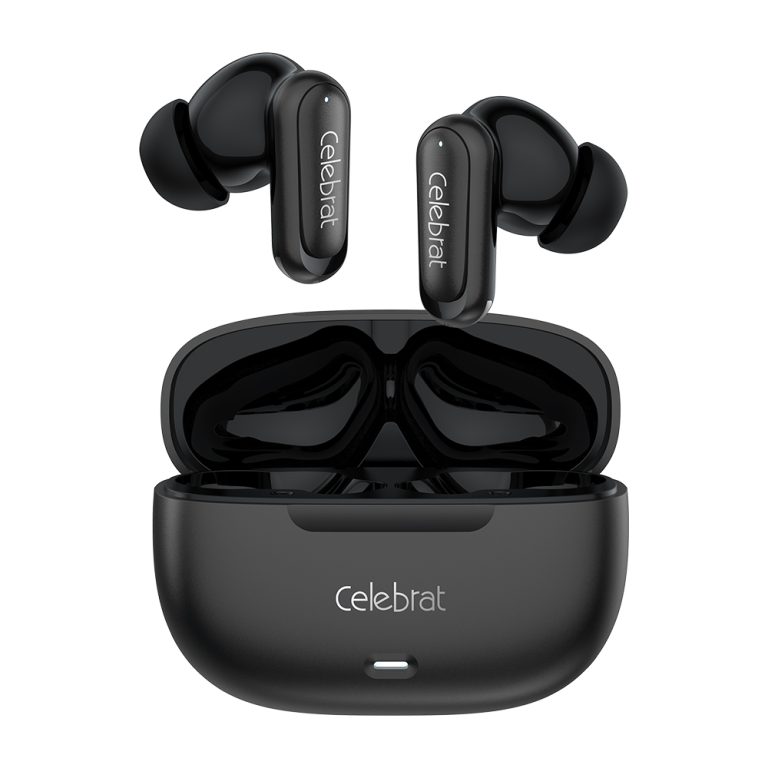
2. TWS Earbuds: Building the Mainline Wireless Audio Product
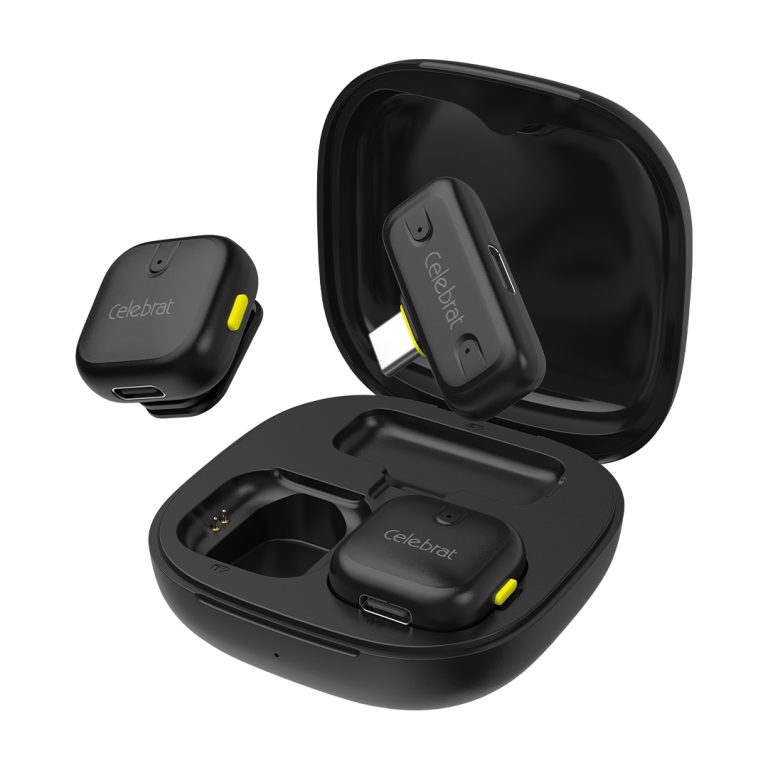
TWS (True Wireless Stereo) earbuds combine left and right earbuds with a charging case, suitable for commuting, daily entertainment, sports, and mobile office scenarios.
When sourcing, focus on comparing:
- Wireless connection stability
- Actual battery life
- Charging case capacity and charging method
- Microphone call performance
- Wearing comfort
- Noise cancellation and other features
- Actual user experience versus price
For wholesalers, TWS is suitable for building product tiers at different price points. Basic models can meet daily needs, while models with richer features can be used to test the upgrade market.
However, do not assume all markets prefer the same type of TWS product. It is recommended to verify demand first through samples and small trial orders.
3. Headphones: Expanding Different Usage Scenarios
Headphones can cover music, video, learning, office, and gaming needs.
Wholesalers can consider the following products based on their target customer group:
- Lightweight daily headphones
- Long-battery-life wireless headphones
- Call headphones with microphone
- Gaming headsets
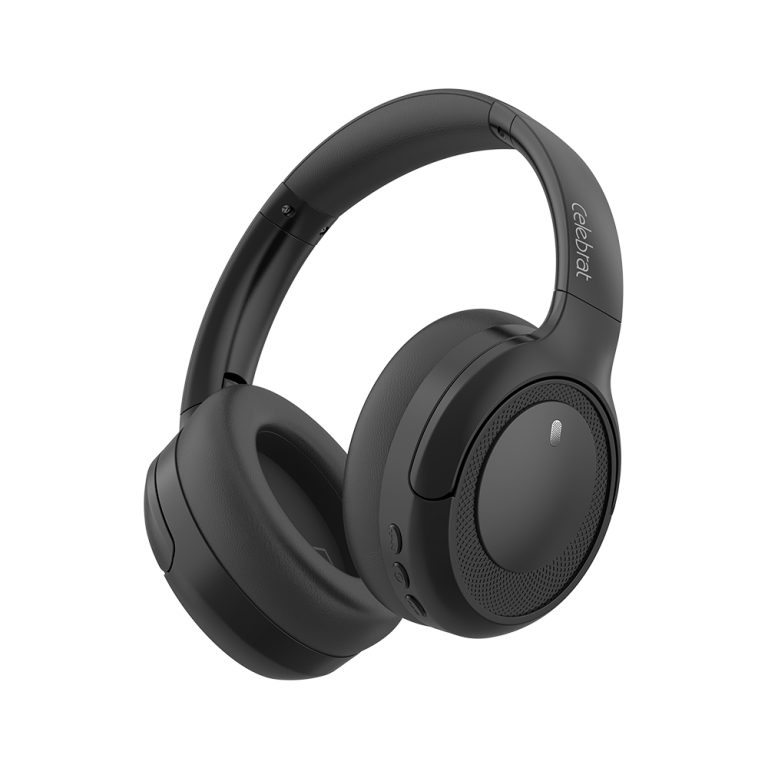
- Headphones with active noise cancellation
Compared with basic earphones, these products can build differentiation through design, comfort, battery life, and additional features.
However, upgraded features also raise consumer selection criteria. Therefore, before sourcing, check real specifications, product quality, and target retail price.
4. Bluetooth Speakers: Expanding from Personal Audio to Shared Scenarios
Bluetooth speakers suit home, outdoor, travel, and social entertainment scenarios.
When sourcing, pay attention to:
- Size and portability
- Actual playtime
- Volume and sound quality
- Protection rating and applicable conditions
- Connection stability
- Charging method
- Appearance and packaging
For wholesalers who already have earphone customers, Bluetooth speakers can be a supplementary product to expand the audio category. But first confirm whether local channels have corresponding demand before deciding sourcing depth.
4. How to Build a Reasonable Price Tier with Audio Products
An audio product mix should not rely on a single best-seller. A more practical approach is to build three tiers based on the target market.
| Product Tier | Main Task | Selection Approach |
|---|---|---|
| Entry-level | Cover price-sensitive consumers | Focus on basic functions, cost, and quality stability |
| Mainline | Meet daily consumer demand | Balance function, price, appearance, and user experience |
| Upgraded | Meet higher feature demand | Test differentiated features such as noise cancellation, long battery life, and gaming |
For example, wholesalers can use basic TWS as an entry product, feature-rich TWS as a mainline or upgraded product, and then add wired earphones, headphones, and Bluetooth speakers.
This structure helps cover different budgets and usage scenarios, but specific SKU ratios should be adjusted based on local market test results, not mechanically averaged.
5. How Audio Products Help Wholesalers Increase Repeat Orders and Order Value
The commercial value of audio products is not only in selling a single earphone, but also in whether a continuous customer purchasing relationship can be formed.
1. Expand the Purchasing Scope of a Single Customer
If a customer originally only buys TWS, the wholesaler can gradually offer wired earphones, headphones, and Bluetooth speakers based on their sales channels.
This allows customers to choose more products within one category system, reducing the cost of finding a new supplier for every purchase.
2. Continuously Update SKUs Based on Sales Data
Wholesalers should track sales volume, gross margin, return rate, and inventory turnover for each product, rather than judging whether to continue sourcing based only on short-term popularity.
Products with stable performance can be continuously replenished; new products with uncertain sales should have their first batch quantity controlled.
3. Use Product Content to Help Customers Sell
The functions and user experience of audio products are well suited for presentation through short videos, product demonstrations, and retail displays.
For example, you can demonstrate wearing style, call performance, operation methods, and usage scenarios. When involving selling points such as noise cancellation, waterproofing, and battery life, ensure the content matches actual product specifications.
4. Build a Sustainable Sourcing Relationship
When a supplier can continuously provide product materials, stable supply, and a clear after-sales process, wholesalers can more easily plan replenishment and manage customer demand.
Therefore, the long-term value of audio products depends on the product itself, as well as supply chain and customer operation capabilities.
6. What Factors Should Wholesalers Evaluate When Sourcing Audio Accessories?
Before sourcing, use the following checklist to evaluate products and suppliers.
| Evaluation Item | Key Checkpoints |
|---|---|
| Market demand | Target customers, competitors, retail price, and usage scenarios |
| Product quality | Sound quality, connection, battery life, materials, and durability |
| Product specifications | Interface, wireless version, functions, and compatibility |
| Price and profit | Purchase cost, logistics, taxes, channel costs, and after-sales costs |
| MOQ | Whether it matches first-order budget and testing scale |
| Supply capability | Lead time, regular inventory, and replenishment stability |
| After-sales policy | Warranty period, quality issue handling, and return/exchange process |
| Market support | Product images, videos, specification sheets, and sales materials |
Special Reminder: Do not decide purchase quantity based only on market popularity or sales figures provided by suppliers. First verify the statistical scope of the data, then make judgments based on your own customers and sales channels.
7. How Does CELEBRAT Support Multi-Category Audio Sourcing?
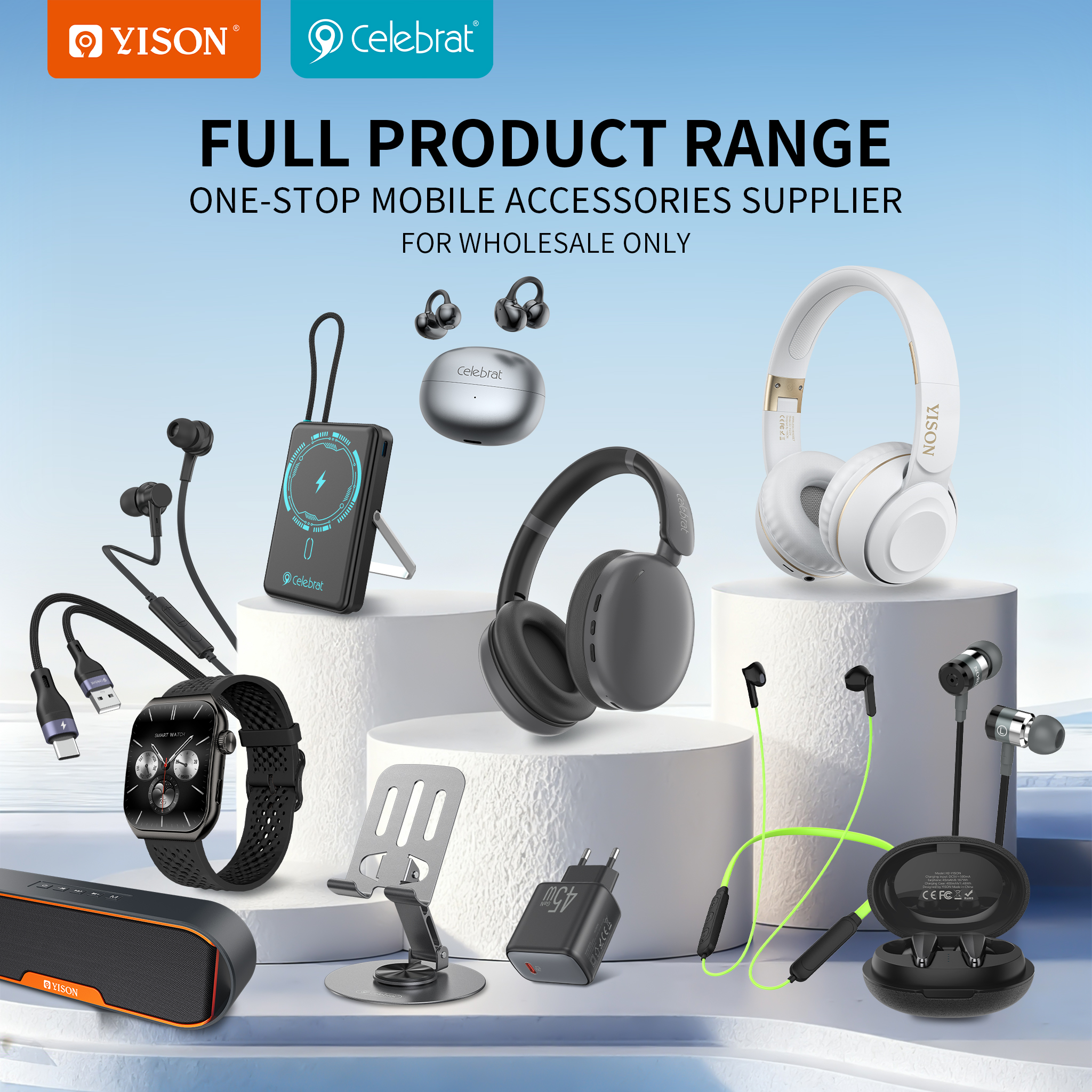
CELEBRAT is a mobile accessories brand under Guangzhou Yisen Electronic Technology Co., Ltd. Its product portfolio includes TWS earbuds, wired earphones, headphones, Bluetooth speakers, as well as charging, power banks, smart wearables, and other digital accessories.
For wholesalers, retailers, and regional distributors hoping to build a multi-tier audio product mix, you can start with the following steps:
- Determine core audio categories based on the target market.
- Shortlist candidate SKUs across different price tiers.
- Check quality, specifications, and user experience through samples.
- Develop a trial order plan based on MOQ and budget.
- Decide replenishment and category expansion based on real sales data.
Learn more about CELEBRAT products and cooperation information:
CELEBRAT can serve as one of the candidate brands for wholesalers to evaluate. Whether specific products suit a certain market should still be judged through product testing, price comparison, and local customer feedback.
8. FAQ: Common Questions About Audio Accessories Wholesale
1. Why are audio accessories suitable for mobile accessories wholesalers?
Audio products cover scenarios such as music, calls, entertainment, office, and gaming. They have different price tiers and product types, helping wholesalers serve different consumers and gradually expand their product mix.
2. Which type of earphone should mobile accessories wholesalers prioritize?
There is no universal answer applicable to all markets. Wired earphones suit basic demand, TWS suits wireless audio demand, and headphones can cover office, entertainment, and gaming scenarios. Priority should be decided based on customer group, price range, and test results.
3. Are audio products necessarily more profitable than charging products?
Not necessarily. Profit depends on purchase price, market competition, retail pricing, product quality, after-sales costs, and inventory turnover. Compare actual gross margin and inventory return, not just unit selling price.
4. How can I reduce inventory risk in earphone wholesale?
First determine target customers and price tiers, then test demand through samples and small trial orders. Continuously track sales volume, return rate, and inventory turnover, and set stop-replenishment conditions for slow-moving products.
5. What is most important when choosing a Chinese audio accessories supplier?
Comprehensively evaluate product quality, price, MOQ, supply stability, after-sales policy, and market support. For long-term cooperation, stable product performance and replenishment capability are usually more important than a one-time low price.
9. Conclusion: Turn Audio from a Single Product into a Sustainable Core Category
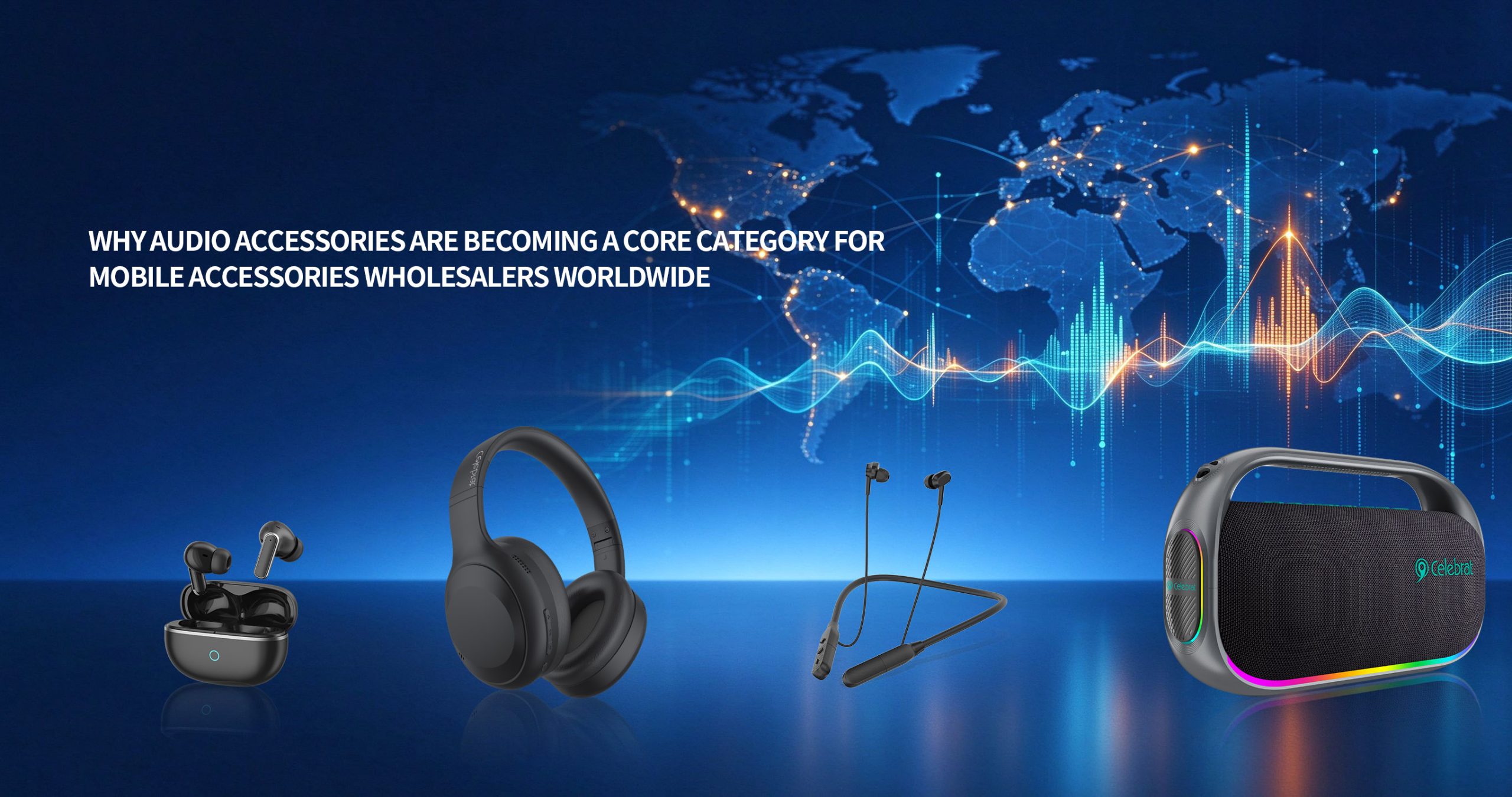
Audio accessories deserve to be a key category for mobile accessories wholesalers worldwide, because they can cover multiple consumption scenarios and build different product tiers through wired earphones, TWS, headphones, and Bluetooth speakers.
But a truly effective audio sourcing strategy is not about continuously adding SKUs. It is about matching product demand, price, quality, inventory, and supply capability.
Wholesalers are advised to adopt the following path:
Determine market → Select audio categories → Build price tiers → Test samples → Small trial order → Track sales → Continuous replenishment.
Through data-driven product selection and inventory management, audio products can gradually become a stable and sustainable product line in wholesale business, rather than just a one-time sourcing category.