

Is the decline in profitability really caused by product prices?
Many mobile accessory agents and wholesalers believe their shrinking margins are the result of paying too much for products. So they start hunting for cheaper factories: sourcing cables from one supplier, chargers from another, TWS earbuds from a third factory, and Bluetooth speakers from yet another.
Upfront, it looks like they’ve cut costs. But in reality, they end up with higher management overhead, greater inventory pressure, longer lead times, and more after‑sales headaches. Profit margins remain unchanged.
In fact, the real profit killer isn’t the unit price. It’s the Total Cost of Ownership . For most agents and distributors, the single biggest lever for higher profitability isn’t cheaper products — it’s a smarter, integrated supply chain.
Industry data shows that compared to multi‑sourcing, a single‑source or one‑stop supply chain model can lower overall procurement costs by approximately 15.3% — driven by inventory optimization, procurement efficiency, improved product consistency, and reduced stockouts.
That’s why more and more successful mobile accessory agents are shifting toward one‑stop suppliers.
What Is a One‑Stop Mobile Accessories Supplier?
In simple terms, a one‑stop supplier offers multiple product categories and related services from a single partner. For example:
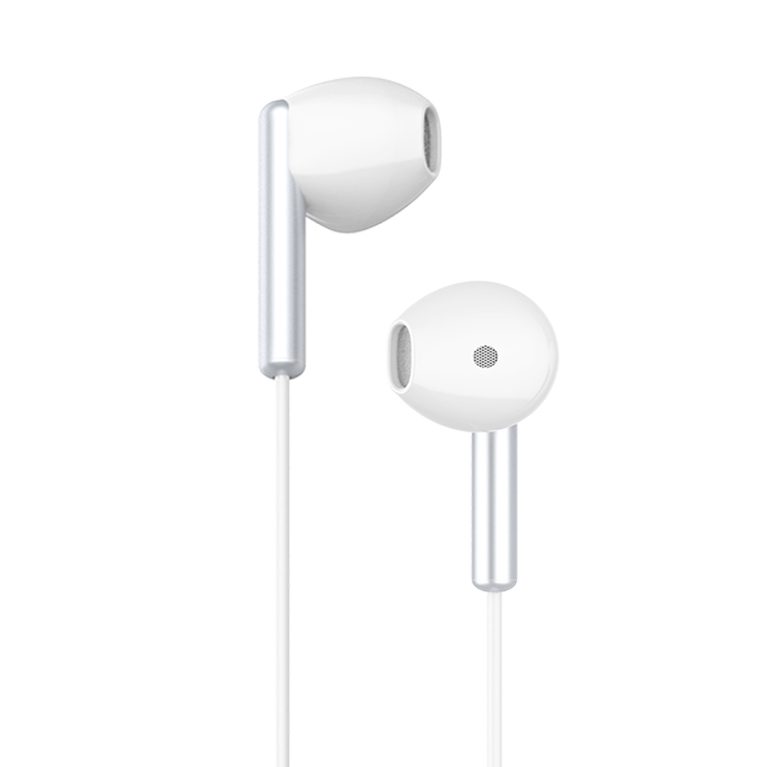
- TWS earbuds
- Wired earphones
- Fast chargers
- Charging cables
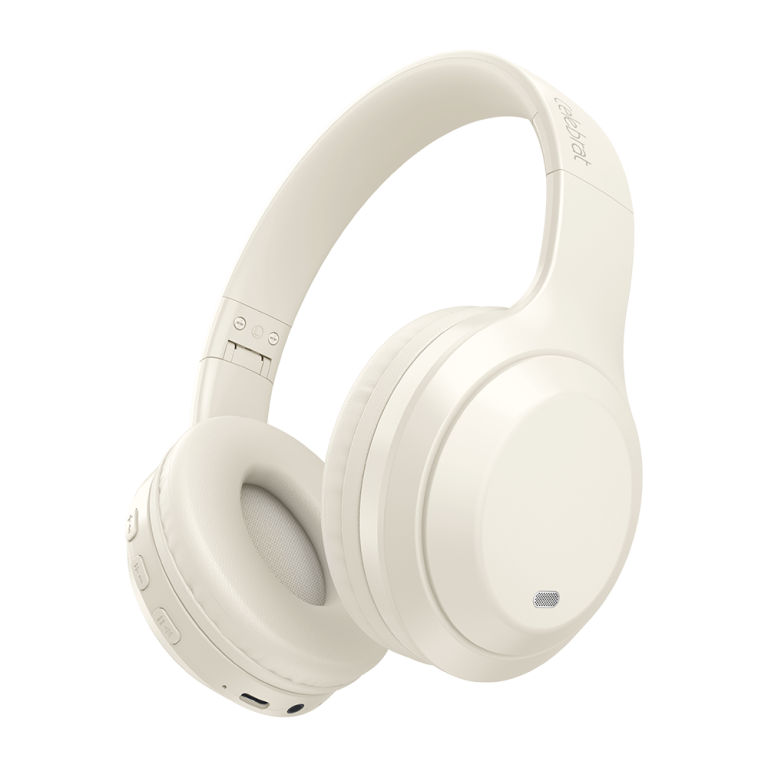
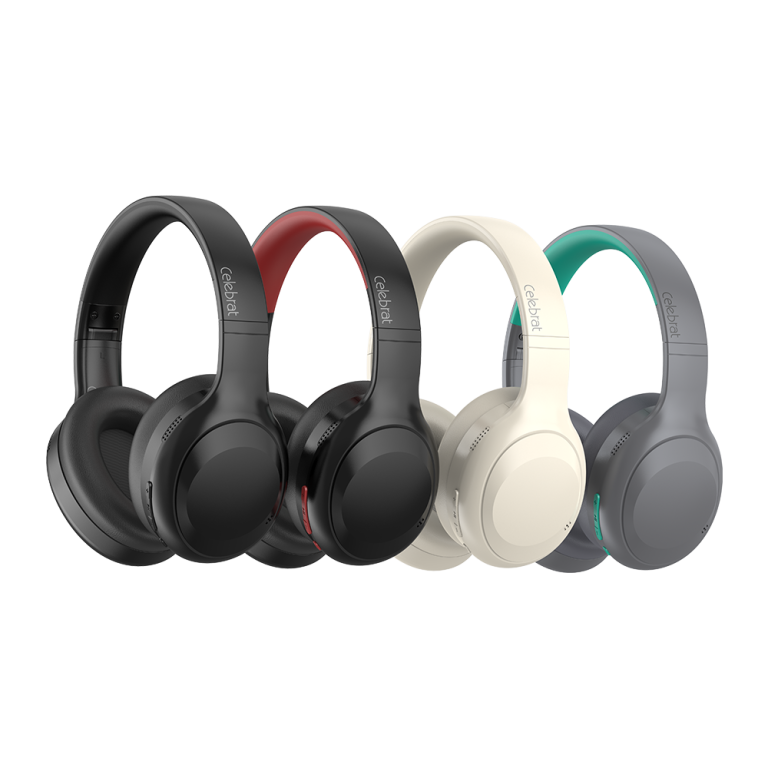
- Bluetooth speakers
- Power banks
- OEM customization
- Packaging design
- Marketing support
Instead of managing dozens of factory relationships, agents can complete their procurement and brand operations through one trusted partner.
👉 Explore Celebrat’s Product Center — covering over 20 mobile accessory categories for one‑stop sourcing.
The Hidden Costs of Multi‑Supplier Sourcing That Most Agents Ignore
Many agents focus only on the product price, overlooking the hidden costs that silently drain their profits.
1. Higher Procurement Management Costs
Working with 5 different suppliers means managing:
- 5 sales contacts
- 5 different pricing structures
- 5 unique delivery schedules
- 5 separate payment and invoicing processes
Research indicates that coordination costs with multiple suppliers can be more than triple the cost of working with a single vendor This includes order tracking, resolving shipping delays, managing returns, and negotiating each order separately. For small and medium‑sized agents, time spent on management is profit lost. A single point of contact centralizes purchasing, quality control, shipping, and payments — eliminating redundant administrative work and reducing risk across every stage of sourcing.
2. Higher Inventory Carrying Costs
Multiple suppliers often mean:
- Different minimum order quantities (MOQ)
- Different replenishment cycles
- Inconsistent inventory turnover
The result is stockouts on some products and excess inventory on others. A one‑stop supply chain model can significantly reduce inventory holding costs and stockout risks by aligning replenishment cycles and consolidating shipments.
3. Lost Sales From Stockouts
In the mobile accessory industry, customers rarely wait. If an item is out of stock, buyers turn to competitors immediately. Data from Netstock’s 2025 Supply Chain Planning Benchmark Report reveals that bottom‑tier distributors lose between 11% and 16% of potential sales to stockouts, while top performers lose just 2.1%. For a wholesale operation, that’s millions in unrealized revenue.
Beyond lost sales, stockouts also damage long‑term customer trust — 26% of customers will choose a substitute product from a different brand when their preferred brand is out of stock . That’s revenue and relationships lost to fragmented supplier coordination.
A one‑stop supplier reduces stockout risk by aligning production and shipping schedules across product lines, ensuring more reliable availability.
4. Higher Quality Control Costs and Inconsistent Quality
Different suppliers mean different standards, inconsistent quality, and varying return policies. This leads to higher return rates, more customer complaints, and increased after‑sales service costs. According to industry data, brands working with fragmented, unsupervised supplier networks can lose up to 30% more on quality defect‑related costs, including rework delays and lost sales Additionally, disconnected suppliers introduce non‑conformities at rates up to 300% higher than integrated partners .
A unified supply chain with consistent quality control dramatically reduces product quality risks and after‑sales headaches. A one‑stop supplier maintains uniform quality standards across all product lines, eliminating the variability that comes from juggling multiple factories.
How a One‑Stop Supplier Helps Agents Improve Profit Margins
1. Lower Overall Procurement Costs
Many agents mistakenly believe that going directly to multiple factories yields the lowest price. But profit comes from total cost, not unit price.
When a supplier offers centralized purchasing, consolidated logistics, and combined shipping, overall operational costs drop significantly. As one sourcing expert explains, single sourcing maximizes efficiency and reduces administrative burden compared to multi‑supplier strategies . In fact, supplier consolidation typically unlocks 3 to 7% cost savings, with administrative and logistics expenses often dropping by 20 to 35% due to fewer touchpoints, lower shipping fees, and streamlined invoicing .
2. Higher Inventory Turnover
Savvy agents focus not on how much they earn per product, but on how many times their inventory turns over each year.
For example: purchasing $100,000 worth of inventory. Turning it **2 times per year** yields $200,000 in sales — whereas turning it 6 times per year yields $600,000 in sales. The higher the turnover, the better the capital efficiency — and the higher the profit margin.
Inventory turnover improvements of 15–20% are achievable with better supplier integration and demand forecasting . A one‑stop supplier that aligns replenishment cycles and provides flexible order quantities helps agents dramatically improve turnover rates.
3. Easier Path to Building a Local Brand
Today’s mobile accessory market is crowded and competitive. Selling generic products without differentiation is no longer a sustainable path to long‑term profit. Branding has become a key growth avenue for agents.
If a supplier can provide:
- Logo customization
- Packaging design
- OEM services
- Marketing assets
Then agents can quickly establish their own local brand — and command premium pricing. The same wireless earbud can often sell for 30–50% more under a branded identity.
👉 Explore Celebrat’s OEM/ODM services to start building your brand.
4. More Marketing and Channel Support
Many factories only supply products. An exceptional one‑stop brand supplier also provides:
- Professional product photos
- Video assets
- Exhibition support
- Go‑to‑market strategies
- Channel training
This support helps agents move beyond “selling products” and into building distribution networks. As the wholesale distribution landscape evolves, strong supply chain partnerships help wholesalers stay resilient, adapt quickly, and strengthen retailer trust.
👉 Learn more about Celebrat’s Global Agency Program — product supply plus market expansion support.
Real Case Study: How an African Agent Increased Profit Margins by 40% With One‑Stop Sourcing
In 2024, a mobile accessory distributor in Africa was working with 6 different suppliers. The main issues: unstable delivery, complex procurement, difficult inventory management, and frequent stockouts.
They decided to change strategy — consolidating their main product lines (TWS earbuds, fast chargers, cables, and Bluetooth speakers) under a single one‑stop brand supplier.
After 12 months:
- Procurement management time dropped by ~60%
- Inventory turnover improved by ~35%
- Stockout rates fell by over 50%
- Integrated profit margins climbed from 18% to over 25%
The biggest change wasn’t a lower unit price. It was supply chain efficiency. That’s the core value of the one‑stop procurement model.
Why More Agents Are Choosing Celebrat
As an experienced mobile accessory brand supplier, Celebrat helps agents succeed with:
A Wide Product Line
Including TWS earbuds, wired earphones, Bluetooth speakers, fast chargers, charging cables, and power banks.
👉 Browse Celebrat’s Product Catalog
OEM & Customization Services
Supporting logo customization, packaging design, and product development.
👉 Discover Celebrat OEM Solutions
Global Distributor Support
Tailored support to help partners quickly expand local markets.
👉 Check Celebrat Distributor Program
Marketing and Sales Assets
From product photography to promotional materials and sales training.
Conclusion: The Agents Who Will Win in 2026 and Beyond Don’t Compete on Price — They Compete on Supply Chain Efficiency
As the mobile accessory market grows more competitive, profit margins are shifting away from the products themselves and toward supply chain management capabilities.
The most successful agents are increasingly focused on:
✅ One‑stop sourcing
✅ Inventory optimization
✅ Fast replenishment
✅ Brand building
✅ Market support
For most small and medium‑sized agents, rather than juggling multiple suppliers, choosing one reliable one‑stop partner is the smarter, more profitable path.
Because what truly determines profitability isn’t just the purchase price — it’s the efficiency of your entire supply chain. And a one‑stop supplier is the foundation for long‑term growth and sustainable margins.
In the mobile accessory wholesale business, the real profits are made not by those who source the cheapest, but by those who manage risk and efficiency the best.