




Southeast Asia is no longer just an emerging region. It is quickly becoming one of the most exciting markets in the global electronics industry. For distributors and buyers, the real question is not whether to enter the region, but how to do it the right way.
So, what makes the market potential in Southeast Asia so attractive? And more importantly, how can distributors take advantage of it without running into common sourcing problems?
Let’s break it down step by step.
Understanding the Market Potential in Southeast Asia
The market potential in Southeast Asia is driven by a mix of fast economic growth, a young population, and increasing digital adoption. Countries like Indonesia, Vietnam, and the Philippines are seeing millions of new mobile users every year.
But what does this mean for mobile accessories?
It means demand is not only growing, but it is also repeating. Consumers replace cables, earphones, and chargers often, sometimes every few months. This creates a steady stream of sales for distributors who can keep up with demand.
Key Drivers Behind Growth
One of the biggest drivers behind the market potential in Southeast Asia is its young population. Most consumers are under 35, and they are highly connected. They shop online, follow trends, and upgrade their accessories frequently.
Another important factor is the rise of e-commerce. Platforms like Shopee and Lazada make it easy for distributors to reach customers across multiple countries without heavy investment in physical stores.
So, with all this growth, where is the real opportunity?
Why the Market Potential in Southeast Asia Attracts Distributors
The market potential in Southeast Asia is not just about size. It is about accessibility and flexibility.
Unlike more mature markets, Southeast Asia is less dominated by a few major brands. This gives new distributors a chance to enter and grow quickly.
High Demand, Lower Entry Barriers
Distributors can start small and scale fast. With the help of online marketplaces, even new businesses can test products and build a customer base.
At the same time, consumers are price-sensitive. They want products that are affordable but still reliable. This creates a strong demand for suppliers who can offer good value.
Fast Moving Product Categories
Some products perform especially well in this region:
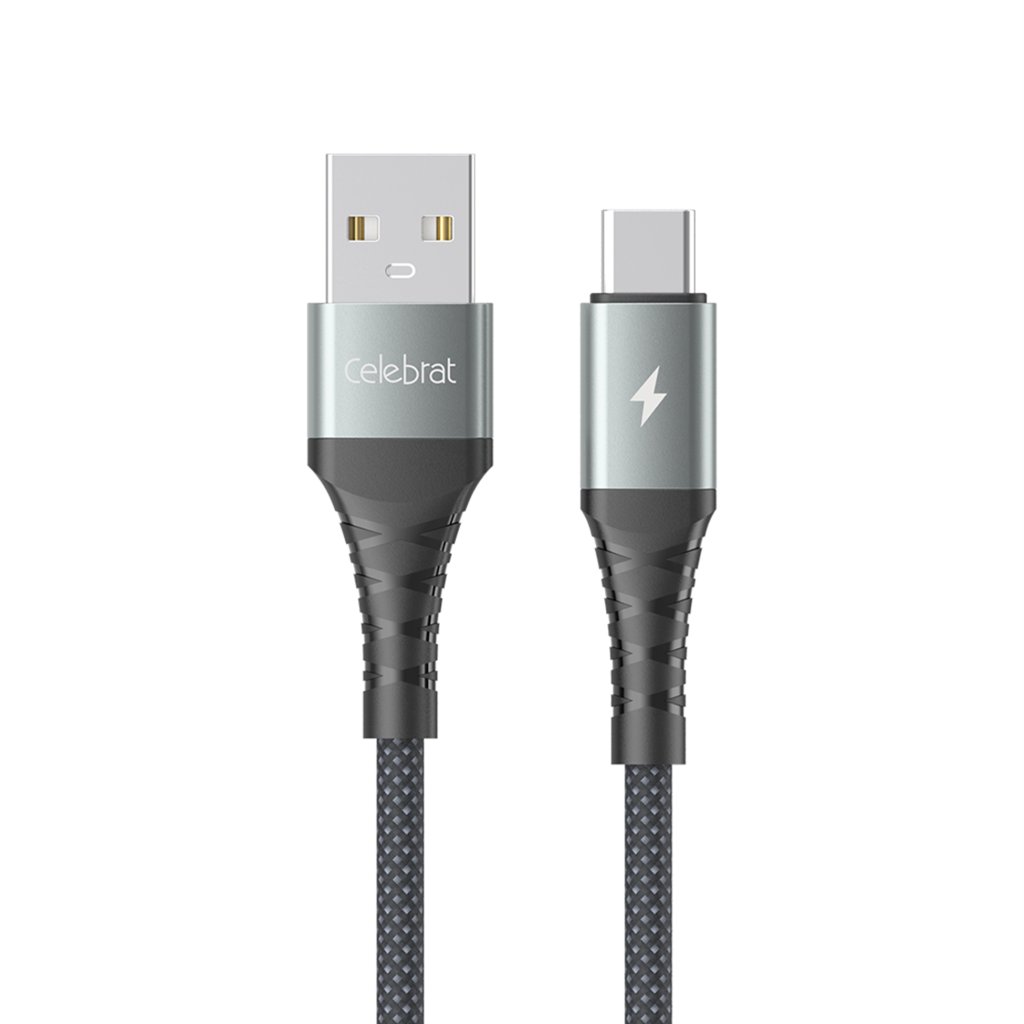
- Charging cables
- Wireless earphones
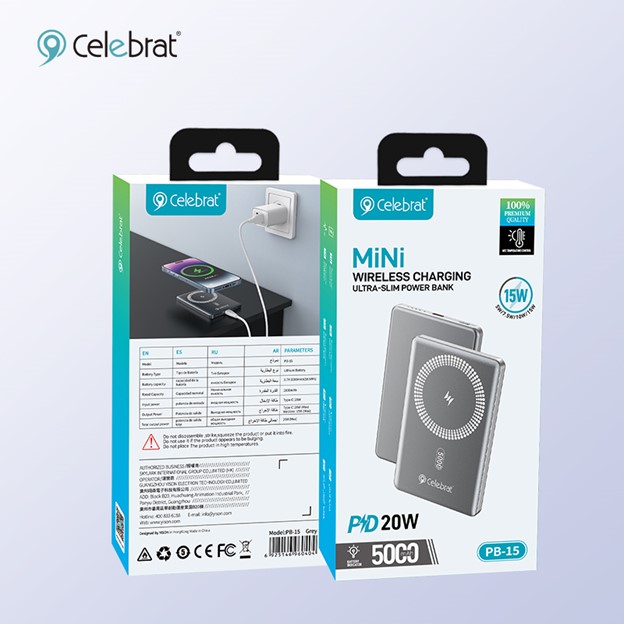
- Power banks
- Car chargers
These are everyday essentials. Because they wear out quickly, customers keep coming back to buy more.
So, if demand is strong and entry is easier, what is stopping distributors from succeeding?
Challenges Within the Market Potential in Southeast Asia
While the market potential in Southeast Asia is promising, it is not without challenges. Many distributors struggle not because of a lack of demand, but because of poor sourcing decisions.
Inconsistent Product Quality
One common issue with Southeast Asia electronics suppliers is inconsistent quality. Some suppliers cut costs, which leads to higher return rates and unhappy customers.
Unstable Supply Chains
Another challenge is supply reliability. Delays, stock shortages, and poor planning can hurt a distributor’s reputation quickly.
Limited Support from Suppliers
Many suppliers simply sell products without offering branding, packaging, or marketing support. This makes it harder for distributors to stand out in a competitive market.
So how can distributors overcome these issues and fully benefit from the opportunity?
Smart Procurement Strategies for the Market Potential in Southeast Asia
To succeed in the market potential in Southeast Asia, distributors need more than just a supplier. They need a strategy.
Focus on Value, Not Just Price
Choosing the cheapest option often leads to bigger problems later. Instead, successful distributors focus on long-term value. This includes product durability, consistent quality, and supplier reliability.
Work with Experienced Manufacturers
Partnering with experienced manufacturers helps reduce risk. Established suppliers understand production, logistics, and international standards.
This is especially important when dealing with large volumes.
Prioritize Fast-Moving Products
Instead of offering too many products, focus on items that sell quickly. This improves cash flow and reduces inventory pressure.
Build a Scalable Supply Chain
As your business grows, your supplier should be able to grow with you. This means stable production capacity, short lead times, and clear communication.
Now the question becomes, where should distributors look for this kind of support?
How Southeast Asia Electronics Suppliers and Chinese Manufacturers Work Together
The market potential in Southeast Asia is closely linked to global manufacturing, especially in China.
While Southeast Asia electronics suppliers play an important role in distribution, many of the products still come from Chinese manufacturers. This combination allows distributors to access both local market knowledge and large-scale production.
Advantages of Chinese Manufacturing
Chinese manufacturers offer:
- Competitive pricing at scale
- Advanced production capabilities
- Strong research and development
- Flexible customization options
This makes it easier for distributors to build their own brand or adapt products to local preferences.
What Makes a Strong Manufacturing Partner
Not all manufacturers are the same. To fully benefit from the market potential in Southeast Asia, distributors should look for partners who offer:
- Consistent quality control
- International certifications
- Reliable delivery timelines
- Support for branding and packaging
Working with the right partner can turn sourcing into a competitive advantage instead of a risk.
So how does this connect back to long-term growth?
Turning the Market Potential in Southeast Asia into Real Business Growth
Understanding the market potential in Southeast Asia is just the first step. The real success comes from execution.
- Distributors who succeed in this region do three things well:
- They understand local market trends
- They choose reliable suppliers
- They adapt quickly to changing demand
Adapting to Southeast Asia Market Trends
Southeast Asia market trends are constantly evolving. Consumer preferences change fast, especially with the influence of social media and online shopping.
Distributors need to stay updated and be ready to adjust their product selection.
Building Long-Term Partnerships
Instead of switching suppliers frequently, successful distributors build long-term relationships. This leads to better pricing, more support, and smoother operations.
Creating a Strong Market Presence
With the right products and partners, distributors can build a strong reputation in their market. Over time, this leads to repeat customers and steady growth.
So, where does this leave you?
Conclusion
The market potential in Southeast Asia is clear. It is growing, dynamic, and full of opportunities for distributors who are ready to take the next step.
But success in this region is not just about entering the market. It is about making smart decisions, choosing the right partners, and staying ahead of trends.
If you are looking to expand your business and work with a manufacturer that understands both global production and local market needs, it may be time to start a conversation.
Reach out to us at Celebrat to explore how we can support your growth and help you succeed in one of the most promising markets in the world.
Frequently Asked Questions
1. What makes the market potential in Southeast Asia so attractive for distributors?
The market potential in Southeast Asia is driven by a young population, rising smartphone usage, and strong e-commerce growth. These factors create consistent demand for mobile accessories, making it an ideal region for distributors looking to scale.
2. How fast is the mobile accessories market growing in Southeast Asia?
The region is experiencing steady growth due to increasing digital adoption and mobile-first behavior. Southeast Asia market trends show that more consumers are relying on smartphones daily, which increases demand for accessories like chargers and earphones.
3. What are the most in-demand mobile accessories in Southeast Asia?
Popular products include charging cables, wireless earphones, power banks, and car chargers. These items sell quickly because they are essential and need frequent replacement.
4. What challenges do buyers face when working with Southeast Asia electronics suppliers?
Some common challenges include inconsistent product quality, delayed shipments, and limited after-sales support. This is why choosing reliable Southeast Asia electronics suppliers is critical for long-term success.
5. How can distributors choose the right Southeast Asia electronics suppliers?
Distributors should look for suppliers with strong quality control, stable production capacity, and clear communication. It is also important to work with partners who understand Southeast Asia market trends.
6. Why is product quality important in the Southeast Asia market?
In a competitive market, poor quality leads to returns and negative reviews. High-quality products help build trust, encourage repeat purchases, and strengthen a distributor’s reputation.
7. What procurement strategies work best in Southeast Asia?
Successful strategies include focusing on fast-moving products, working with experienced manufacturers, and building long-term supplier relationships. These approaches help distributors fully leverage the market potential in Southeast Asia.
8. How do Southeast Asia market trends impact product selection?
Southeast Asia market trends change quickly due to social media and online shopping. Distributors need to stay flexible and update their product offerings based on current demand.
9. Why do many distributors source from Chinese manufacturers?
Chinese manufacturers offer competitive pricing, advanced production capabilities, and customization options. This makes them a strong partner for distributors targeting the market potential in Southeast Asia.
10. How can a strong supplier partnership improve business growth?
A reliable supplier ensures consistent quality, timely delivery, and better support. This allows distributors to scale faster and take full advantage of the market potential in Southeast Asia.