
Should you source mobile accessories from an OEM factory or a brand supplier? This guide compares pricing, R&D, supply chain, MOQ, brand value, marketing support, and territorial protection — to help global wholesalers, distributors, and agents make the right choice for their business stage.
OEM Factory vs. Brand Supplier: What’s the Real Difference?
For wholesalers and distributors sourcing mobile accessories from China for the first time, one core question always arises:
Should I go directly to an OEM factory, or choose an established mobile accessories brand?
The answer is not “brands are always better than factories.”
The real question is — what is your sourcing objective?
| Your Situation | Better Fit |
|---|---|
| Need low cost, high volume, custom packaging, and already have mature channels | OEM Factory |
| Want to build a long-term market presence, develop customer networks, and get ongoing new products and marketing support | Brand Supplier |
Neither is inherently better or worse — it depends on what fits your current business stage.
Why Is Brand Becoming More Important in the Global Mobile Accessories Market?
According to Grand View Research 2026 data:
- Global mobile accessories market was valued at approximately $105.5 billion in 2025
- Projected to reach approximately $189.9 billion by 2033
- CAGR of approximately 7.8% from 2026 to 2033
- Offline channels accounted for 68.3% of market revenue
- Protective products accounted for 32% of market share
- Rapid wireless technology iteration continues to drive demand growth for earphones, speakers, and related categories
The market opportunity remains huge.
But for distributors, competition is no longer just about:
“Who has the lowest sourcing price?”
It’s increasingly about:
“Who can consistently supply products that actually sell, and help me sell them?”
Part 1: If Price Is Your Only Concern, an OEM Factory May Be a Better Fit
The biggest advantages of OEM are cost and customization capability.
If you already have:
- ✅ Your own brand
- ✅ Your own packaging design
- ✅ Stable sales channels
- ✅ Clear product specifications
- ✅ Large order volumes
Then working directly with an OEM factory gives you greater customization control:
Your own Logo + Your own Packaging + Your own Specs + Bulk Orders
This model works well for large importers and brand owners with established channels.
But here’s the challenge:
In the OEM model, you typically need to handle all of the following yourself:
| Aspect | Who Handles It in OEM? |
|---|---|
| Product selection | You |
| Product R&D | You |
| Packaging design | You |
| Brand building | You |
| Marketing and promotion | You |
| Sales materials | You |
| After-sales system | You |
| New product development | You |
So the core logic is:
OEM prices may be lower, but your overall operational costs may be higher.
Part 2: If You Want to Enter the Market Quickly, a Brand Supplier Has Clear Advantages
For general wholesalers, distributors, and regional agents, the value of a brand supplier goes far beyond a single shipment.
A mature brand supplier should offer a complete 4-layer value system:
① Product Layer
- Market-validated SKUs
- Consistent product quality
- Continuous new product pipeline
- Multi-category product portfolio
② Brand Layer
- Brand recognition and credibility
- Consistent product packaging
- Brand story and market positioning
- Accumulated market reputation
③ Marketing Layer
- Product images and video assets
- Multi-language catalogs
- Social media content
- Sales training materials
④ Channel Layer
- Distributor policies
- Territorial protection mechanisms
- Authorization systems
- Marketing support
Therefore, if you plan to operate in a country for 3–5 years or more, a brand supplier is usually worth prioritizing.
Part 3: OEM Factory vs. Brand Supplier – Comprehensive Comparison
| Comparison Item | OEM Factory | Brand Supplier |
|---|---|---|
| Product Price | ⭐⭐⭐⭐⭐ (Lower) | ⭐⭐⭐⭐ (Slightly higher) |
| MOQ Flexibility | ⭐⭐—⭐⭐⭐ | ⭐⭐⭐⭐ (More flexible) |
| Product Customization | ⭐⭐⭐⭐⭐ (Full) | ⭐⭐⭐ (Limited) |
| Product R&D | You drive it | Complete in-house system |
| Brand Value | Build from scratch | Already established |
| New Product Updates | You filter and select | Proactively provided |
| Marketing Materials | Usually limited | More complete and professional |
| Territorial Protection | Limited or none | More comprehensive |
| Marketing Support | You handle it all | Brand provides support |
| Long-Term Channel Building | You do it alone | Co-developed together |
Simply put:
OEM = You build the brand from zero, on your own.
Brand Supplier = Leverage an existing brand and system to enter the market faster.
Part 4: CELEBRAT Is Not a Simple “OEM Factory”
CELEBRAT’s parent company, YISON, is not a pure trading company.
According to publicly available information:
- YISON was founded in 1998
- Business covers product design, technology R&D, manufacturing, and import/export sales
- Owns two brands: YISON and CELEBRAT
- Started from early mobile communication accessories, gradually building complete capabilities in R&D, manufacturing, and brand operations
- Launched the CELEBRAT sub-brand in 2017
This means distributors get more than a single “factory price” — they get a complete package:
Products + Brand + Supply Chain + Marketing Support
Part 5: What Kind of Buyers Is CELEBRAT Best Suited For?
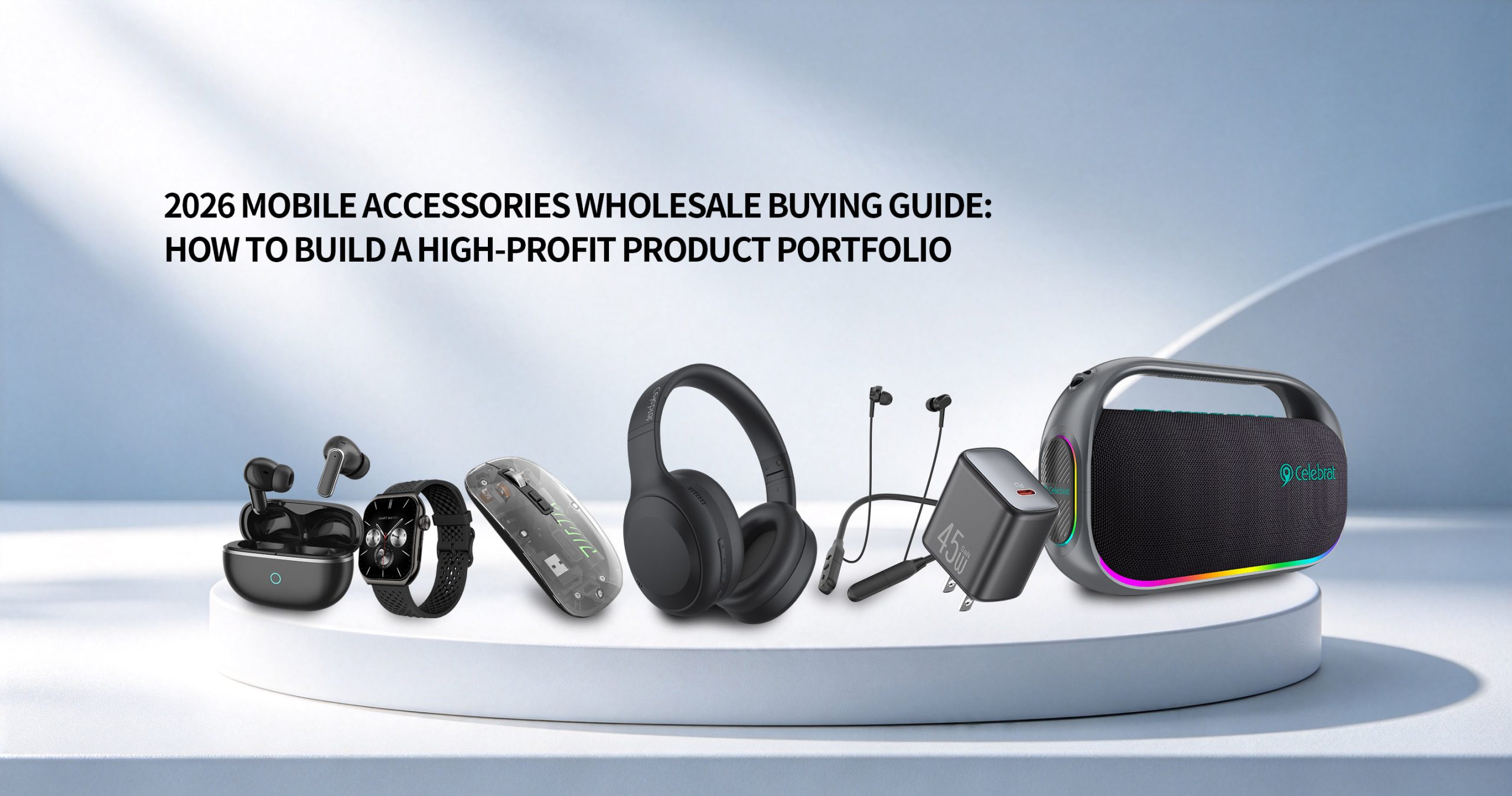
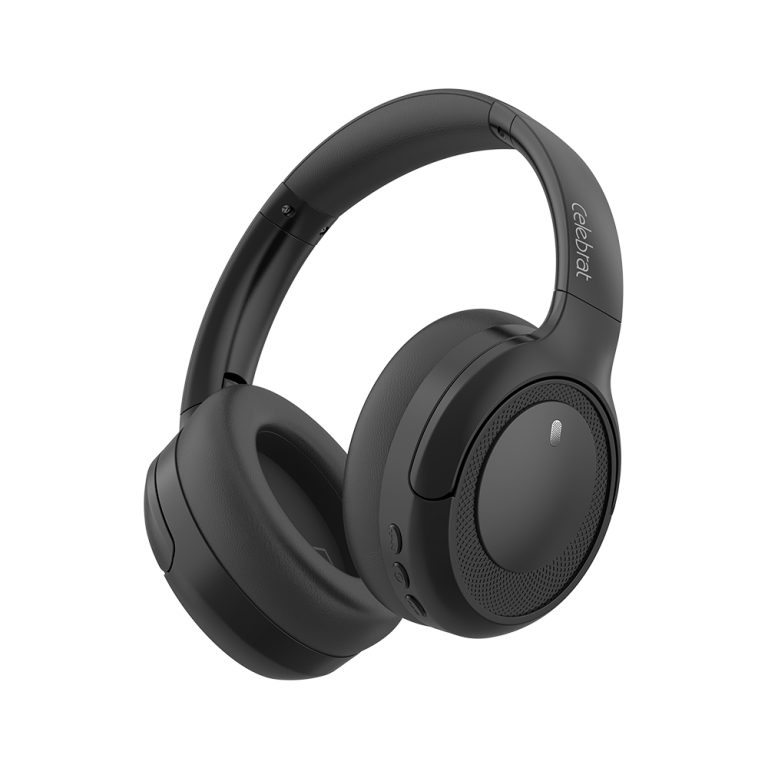
CELEBRAT currently covers the following product categories:
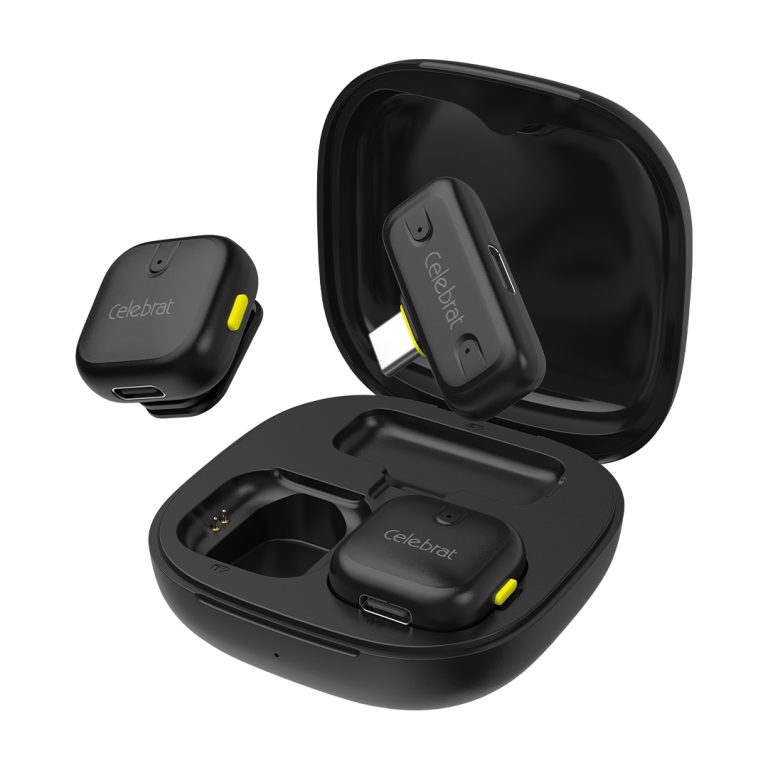
- TWS Wireless Earbuds
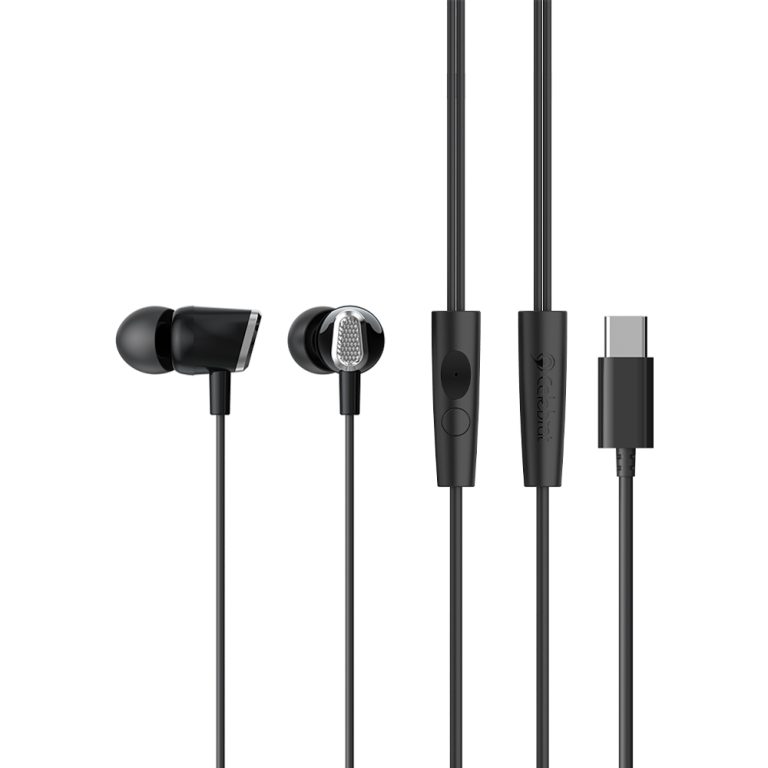
- Wired Earphones
- Bluetooth Speakers
- Chargers
- Data Cables
- Power Banks
- Smart Wearables
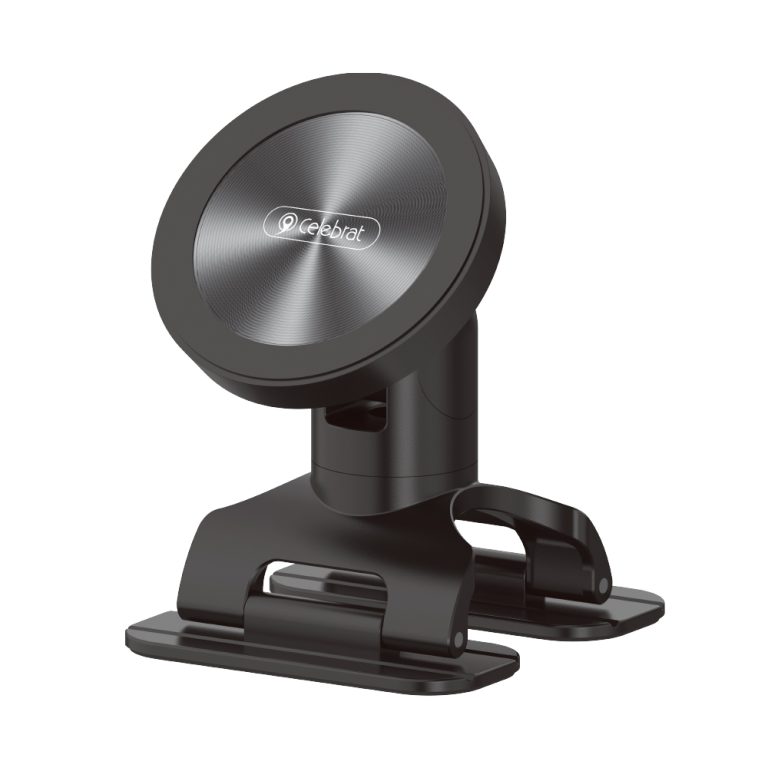
- Phone Peripherals
Key Metrics:
| Dimension | Data |
|---|---|
| Product Categories | 20+ |
| Annual New Products | 200+ |
| Market Coverage | 150+ countries and regions |
| Global Partners | 100+ distributors |
CELEBRAT also provides CE, FCC, RoHS, and other international market certifications to help distributors reduce compliance risks.
For distributors looking to build a product portfolio across multiple categories, this means significantly reducing the cost of managing multiple suppliers simultaneously.
Explore CELEBRAT Products:
👉 https://www.celebrat.com/product/
Part 6: If You’re an Agent, the Most Important Issue Is Not the Lowest Price
For regional agents, one question matters more than procurement price:
Will the brand protect my market?
Imagine you invest in:
- 💰 Inventory
- 📢 Advertising
- 🤝 Customer acquisition
- 🏢 Trade shows
- 👥 Local team
If the brand simultaneously supplies to dozens of local competitors, your market investment will struggle to generate long-term competitive advantages.
When evaluating a brand, agents should ask these 5 key questions:
| # | Critical Question |
|---|---|
| ① | Do you offer territorial protection? |
| ② | Do you offer exclusive distribution rights? |
| ③ | Do you have a clear pricing system? |
| ④ | Do you restrict cross-regional sales? |
| ⑤ | Do you provide marketing support? |
CELEBRAT in Practice:
CELEBRAT’s website features a global distributor partnership page with real case studies:
- Latin American Distributor: Expanded from earphones to full-category sales, with annual growth of 130%
- Asian Partner: Operates 10+ retail stores, with annual growth of 150%
Learn about CELEBRAT’s global distribution policies:
👉 https://www.celebrat.com/become-distributors/
Part 7: When to Choose OEM? When to Choose a Brand Supplier?
Use this simple decision framework:
✅ Choose OEM if you:
- Already own your brand
- Have mature sales channels
- Place large orders each time
- Have your own product development team
- Can bear marketing costs
- Want full control over product and packaging
✅ Choose a Brand Supplier if you:
- Are entering the mobile accessories market for the first time
- Already have local customer channels
- Want to build a product line quickly
- Don’t want to build a brand from scratch
- Need continuous new product supply
- Need marketing materials
- Want territorial protection and agency support
The Most Important Takeaway: Don’t Compare Only “Ex-Factory Prices”
For mobile accessories buyers:
True sourcing cost ≠ Ex-factory price.
A more accurate cost formula is:
Total Cost = Unit Price + Inventory Risk + Marketing Cost + After-Sales Cost + New Product Development Cost + Channel Building Cost
A thought experiment:
If an OEM product is 10% cheaper, but you need to bear all brand building and marketing costs yourself, it may not be more profitable than working with a brand supplier.
Conversely, a supplier with mature products, brand, supply chain, and marketing support — even at a slightly higher price — can help distributors achieve:
- ✅ Higher long-term profitability
- ✅ Lower business risk
- ✅ Faster market entry
- ✅ More sustainable growth
CELEBRAT: From “Made in China” to Global Brand Partnership
YISON has been in the mobile communication accessories industry since 1998. Over decades of development, it has expanded from R&D and manufacturing to self-owned brand operations, establishing the CELEBRAT brand.
Today, CELEBRAT products reach 150+ countries and regions, with partnerships with 100+ global distributors.
For global wholesalers, distributors, and agents looking for a Chinese mobile accessories supplier, here’s a simple guide based on your business model:
| Your Need | Recommended Direction |
|---|---|
| Need low-cost customization | → OEM |
| Need to enter the market quickly | → Brand Supplier |
| Need to build a long-term regional business | → Brand + Supply Chain + Agency System |
If you’re looking for more than just a “shipping factory” — but a Chinese mobile accessories brand that can co-develop markets with you over the long term — we welcome you to learn more about CELEBRAT.
Explore CELEBRAT Products:
👉 https://www.celebrat.com/product/
Apply to Become a CELEBRAT Global Partner:
👉 https://www.celebrat.com/become-distributors/