
1. Why Do Mobile Accessories Wholesalers Need to Plan Their Product Portfolio?
For mobile accessories wholesalers, purchasing more products does not necessarily mean earning higher profits. What truly matters is whether the products can meet local consumer demand and continue to sell at a reasonable inventory cost.
According to an industry report published by The Business Research Company in 2026, the global mobile accessories market is expected to grow from USD 270.28 billion in 2025 to USD 287.49 billion in 2026, and is projected to reach USD 366.63 billion by 2030, with a compound annual growth rate of 6.3% during the forecast period.
It should be noted that market size and growth rates are estimates and forecasts by research institutions, and do not mean that every country, product category, or wholesaler will achieve the same growth.
For B2B buyers, this trend means that market opportunities still exist, but the focus of competition is shifting from single-product purchasing to more rational category planning, pricing positioning, and inventory management.
An efficient product portfolio needs to consider four factors at the same time:
- Market demand: What do local consumers actually need?
- Sales turnover: Which products are easier to sell continuously?
- Profit margin: After deducting procurement, logistics, and after-sales costs, how much profit remains?
- Inventory risk: Are products prone to becoming outdated, overstocked, or unsalable due to compatibility changes?
2. How Should Mobile Accessories Wholesalers Categorize Their Product Portfolio?
It is recommended to divide products into four types based on business purpose, rather than simply purchasing by product category.
| Product Role | Main Purpose | Typical Products |
|---|---|---|
| Traffic-driving products | Meet high-frequency, basic needs | Wired earphones, basic data cables |
| Turnover products | Build stable daily sales | TWS earbuds, chargers, power banks |
| Profit products | Provide clearer functional or experiential differentiation | ANC headphones, multi-port fast charging, distinctive speakers |
| Test products | Explore new demand and new customer groups | Smart wearables, AI audio, innovative digital accessories |
The same product may play different roles in different markets. For example, TWS earbuds may be a regular volume-driving product in one market, while belonging to the mid-to-high price segment in another.
Therefore, wholesalers should adjust classifications based on actual sales data, rather than directly copying product selection plans from other countries.
3. Which Mobile Accessories Categories Are Worth Prioritizing?
When building a product portfolio, you can start with four main categories and then expand based on customer demand.
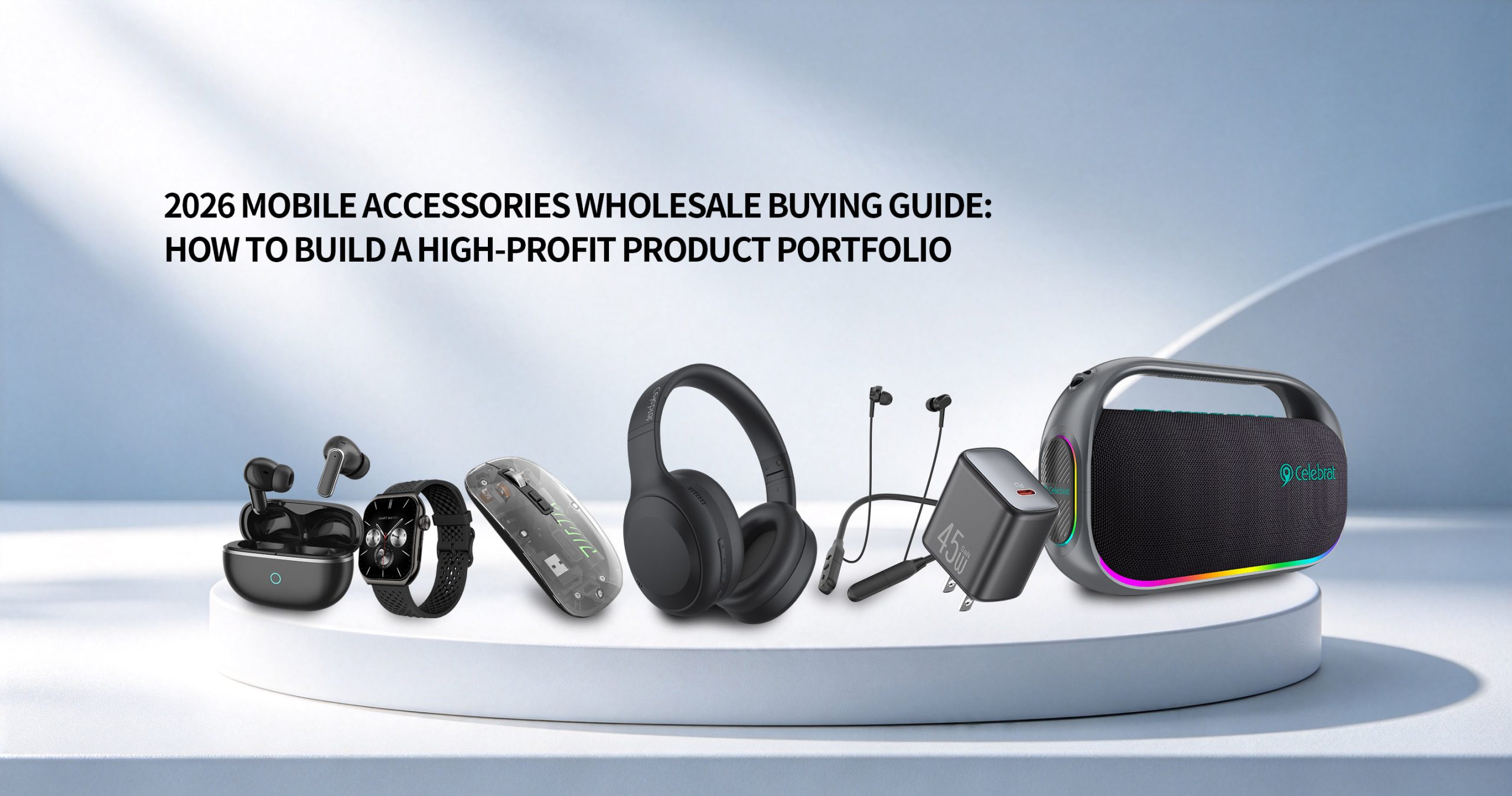
1. Audio Products: Cover Different Prices and Usage Scenarios
Audio products can form a clear product gradient based on price, function, and usage style.
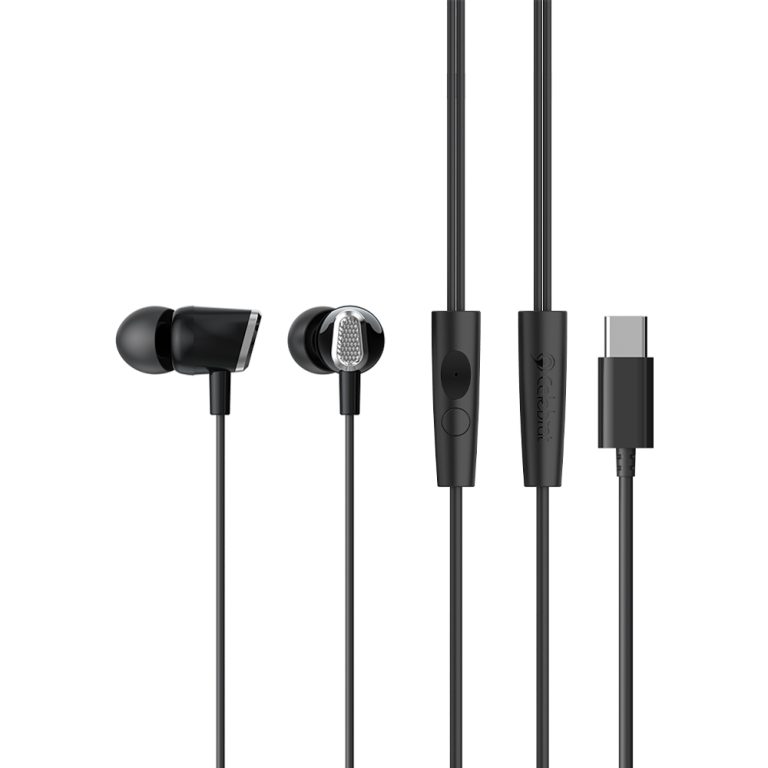
- Wired earphones: Suitable for price-sensitive consumers and basic accessories channels.
- TWS Bluetooth earbuds: Suitable for daily commuting, entertainment, and wireless audio needs.
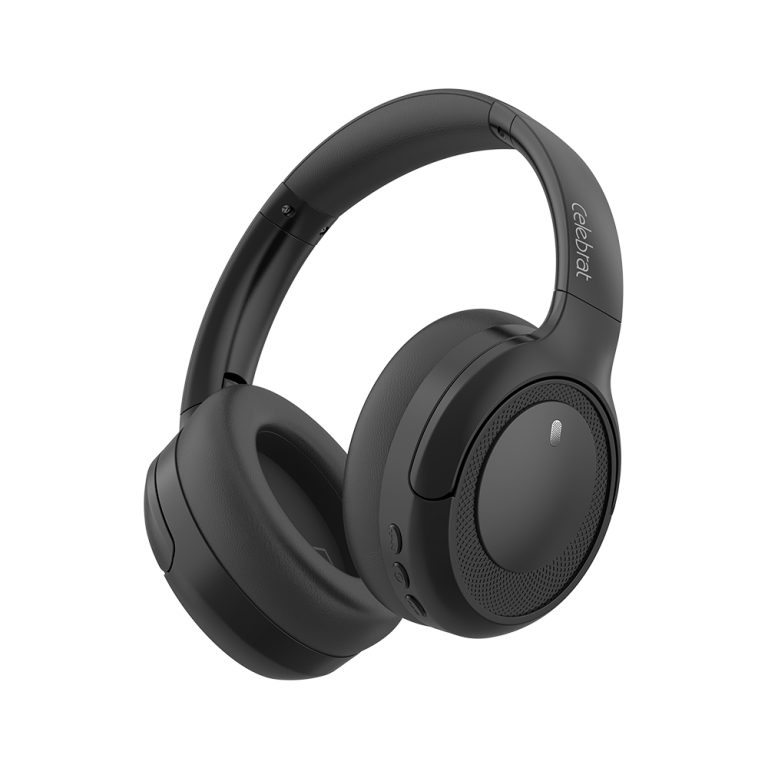
- Over-ear Bluetooth headphones: Can cover office, study, and entertainment scenarios.
- Bluetooth speakers: Suitable for home, outdoor, and leisure scenarios.
- Noise-cancelling and distinctive audio products: Can be used to test consumer acceptance of upgraded features.
Earphones and headphones are the largest subcategory in the mobile accessories market, accounting for approximately 42%–46% of market share in 2025. For wholesalers, the audio category is worth making a core pillar of the product portfolio, but specific SKUs still need to be judged based on local prices, competitors, and actual sales performance.
2. Charging Products: Focus on Compatibility and Usage Needs
Recommended considerations:
- USB-C data cables
- Basic chargers
- Fast chargers
- Multi-port chargers
- Wireless charging products
The procurement focus for charging products should not only be power and price, but also compatibility, applicable protocols, product safety, certification requirements, and actual usage performance.
For example, the widespread adoption of USB-C interfaces helps expand the applicable scope of some universal products, but different devices may still support different charging protocols and power levels.
3. Power Banks: Match Consumers’ Usage Scenarios
Power banks can be classified by capacity, output power, number of ports, and portability.
When purchasing, evaluate at the same time:
- The capacity range commonly used by local consumers
- Actual output capability
- Charging and discharging performance
- Transportation and local regulatory requirements
- Procurement cost and retail price
Power banks are a high-growth subcategory, with a compound annual growth rate of approximately 2.8%–3.2% expected from 2026 to 2034, mainly driven by the popularity of high-power-consumption devices and the demand for longer battery life. However, do not stock up in large quantities just because high-capacity products look more attractive. Verifying demand first through samples and small-batch orders is usually more conducive to controlling risk.
4. Smart Wearables and Other Digital Accessories: Test Gradually
Smart watches, car accessories, and other digital peripherals can help wholesalers expand their customer base and usage scenarios.
Smart watches currently account for about 59% of transaction value in the wearable market and are a mature category. However, cutting-edge products such as AR glasses and smart glasses are still in the market introduction stage, and large-scale adoption still has some way to go.
For wholesalers just starting in mobile accessories, a more reasonable approach is to test a small number of SKUs first and expand procurement only after confirming market acceptance.
4. How Should the Product Portfolio Be Adjusted According to the Target Market?
Consumer purchasing power, sales channels, phone model structures, and product preferences differ across countries, so it is not recommended to use one fixed set of SKUs to serve all markets.
| Market or Channel Characteristics | Product Planning Focus | Purchasing Suggestions |
|---|---|---|
| Price-sensitive market | Basic audio, data cables, chargers | Prioritize testing price bands and turnover speed |
| Brand retail channel | Branded audio, fast charging, distinctive accessories | Balance product experience and brand display |
| E-commerce sellers | Products that are easy to display, have clear specs, and are easy to compare | Focus on images, parameters, reviews, and return risks |
| General wholesalers | Multiple categories such as audio, charging, and power banks | Balance SKU breadth and inventory depth |
| Mature distributors | Core best-sellers and differentiated new products | Plan inventory based on historical sales, replenishment cycles, and channel coverage |
The above are product planning directions, not sales rankings for each region. Before actual purchasing, verification should be carried out based on local sales data and target customer feedback.
5. How Should the First Batch of Purchasing SKUs Be Planned to Reduce Inventory Risk?
For wholesalers just entering the market, it is recommended to first build a controllable-scale test portfolio rather than covering all product categories at once.
20–40 SKUs is a reasonable range for a first import test. The specific allocation can refer to the following structure:
| Product Role | Suggested SKU Count | Main Purpose |
|---|---|---|
| Core best-sellers | 8–12 | Generate sales quickly and validate the market |
| Stable-demand products | 8–15 | Build a basic sales base |
| Profit products | 4–8 | Improve overall order gross margin |
| New/trend products | 3–5 | Test future growth opportunities |
| Total | 20–40 SKUs | Control first-batch inventory risk |
You can execute according to the following steps.
Step 1: Determine core categories.
First choose 2–4 categories most relevant to your existing customer base. For example, audio and charging, or earphones, data cables, and power banks.
Step 2: Determine the price gradient.
For each category, try to distinguish basic models, mainline models, and upgraded models, avoiding concentrating all products in the same price range.
Step 3: Control the number of SKUs in the first batch.
Determine SKU scale based on budget, MOQ, number of customers, and warehousing capacity. More products are not always better; too many SKUs may disperse purchasing funds and make the sales data for each product insufficient to support judgment.
Step 4: Conduct sample testing and small-batch trial orders.
Confirm quality, packaging, parameters, compatibility, and customer feedback before deciding whether to expand procurement.
Step 5: Replenish according to sales performance.
Divide products into three categories: continuous replenishment, continued observation, and stop purchasing, to avoid continuously adding inventory for slow-moving products just because procurement costs have already been invested.
6. How to Determine Whether a SKU Is Worth Continuing to Purchase?
Wholesalers can establish a simple SKU tracking table and update it monthly or every replenishment cycle.
| Evaluation Metric | Question to Answer |
|---|---|
| Sales quantity | How many units were actually sold? |
| Gross profit | After deducting procurement costs, is the gross profit reasonable? |
| Inventory turnover | How long is the existing inventory expected to take to sell out? |
| Returns and after-sales | Does the product bring additional handling costs? |
| Customer feedback | Are customers willing to buy again? |
| Replenishment cycle | Can the supplier deliver in time before inventory runs out? |
Do not decide whether to replenish based only on sales volume. A SKU with high sales but too low gross profit or too high after-sales costs may not be an ideal long-term product.
Similarly, new products with temporarily low sales may also be worth continuing to observe, but a reasonable testing period and stop conditions need to be set.
7. How to Choose a Mobile Accessories Supplier Suitable for Multi-Category Procurement?
As the product portfolio gradually expands, the supplier’s product coverage, supply stability, and after-sales capability will directly affect the wholesaler’s operational efficiency.
Before purchasing, it is recommended to confirm:
- Category coverage: Can it meet procurement needs across multiple core product categories?
- Product information: Does it provide accurate specifications, images, packaging information, and compatibility descriptions?
- MOQ and price: Is it suitable for the current order scale, and does it support reasonable trial order arrangements?
- Supply stability: Can regular products and best-selling SKUs be continuously replenished?
- Quality and after-sales: Is there a clear process for handling quality issues and after-sales matters?
- Market support: Does it provide product materials, training, and marketing support?
When choosing a supplier, compare the overall procurement cost and long-term cooperation value, not just the quotation for a single SKU.
8. How Does CELEBRAT Support Multi-Category Mobile Accessories Procurement?
CELEBRAT is a mobile accessories brand under Guangzhou Yisen Electronic Technology Co., Ltd., with products covering audio, charging, smart wearables, phone protection, car accessories, and other digital peripherals.
For wholesalers, retailers, and regional distributors looking to gradually build a multi-category product portfolio, CELEBRAT’s product system can serve as a reference for supplier evaluation.
Buyers are advised to prioritize SKUs that match existing customer needs based on the target market, and then verify product performance through sample testing and small-batch orders.
Learn more:
9. Frequently Asked Questions (FAQ)
1. Which products should mobile accessories wholesalers purchase first?
You can start with core categories such as audio, charging, and power banks, and choose the products most relevant to your target customers. Specific SKUs should be determined based on local price ranges, customer demand, competition, and trial order results.
2. How many SKUs should a mobile accessories wholesaler choose?
There is no fixed number applicable to all businesses. For a first import, it is recommended to keep it within the range of 20–40 SKUs, matching procurement budget, MOQ, customer coverage, and inventory capacity. Control the scale first, and expand categories after sufficient sales data is available.
3. How can inventory risk for mobile accessories be reduced?
Verify demand first, then purchase in small batches; continuously track sales, gross profit, inventory turnover, and after-sales performance; set stop-replenishment conditions for slow-moving products, and adjust SKUs based on actual sales.
4. Should wholesalers choose a single-category supplier or a comprehensive supplier?
If a business only operates one niche category, a specialized supplier may be more suitable. If a business needs to cover earphones, charging, power banks, and other digital accessories, a comprehensive supplier may help with centralized procurement and management, but quality, price, and supply capability should still be checked category by category.
5. Is CELEBRAT suitable for wholesalers and regional distributors?
CELEBRAT provides multi-category mobile accessories products and has a distributor partnership program. Buyers can further understand products and cooperation terms based on their own market, channels, target prices, and procurement scale.
Conclusion
Building a competitive mobile accessories product portfolio is not about continuously increasing SKUs, but about giving each product category a clear sales purpose.
Wholesalers can start with core categories, establish a reasonable price gradient, verify demand through samples and small-batch orders, and then continuously adjust based on actual sales, profit, inventory turnover, and after-sales performance.
A more robust procurement path is:
Determine the market → Select categories → Test samples → Small-batch trial orders → Track sales → Replenish and optimize.
Through continuous data tracking and supplier evaluation, wholesalers can gradually form a product portfolio that is more suitable for the local market, can be sustainably replenished, and has reasonable profit space.