
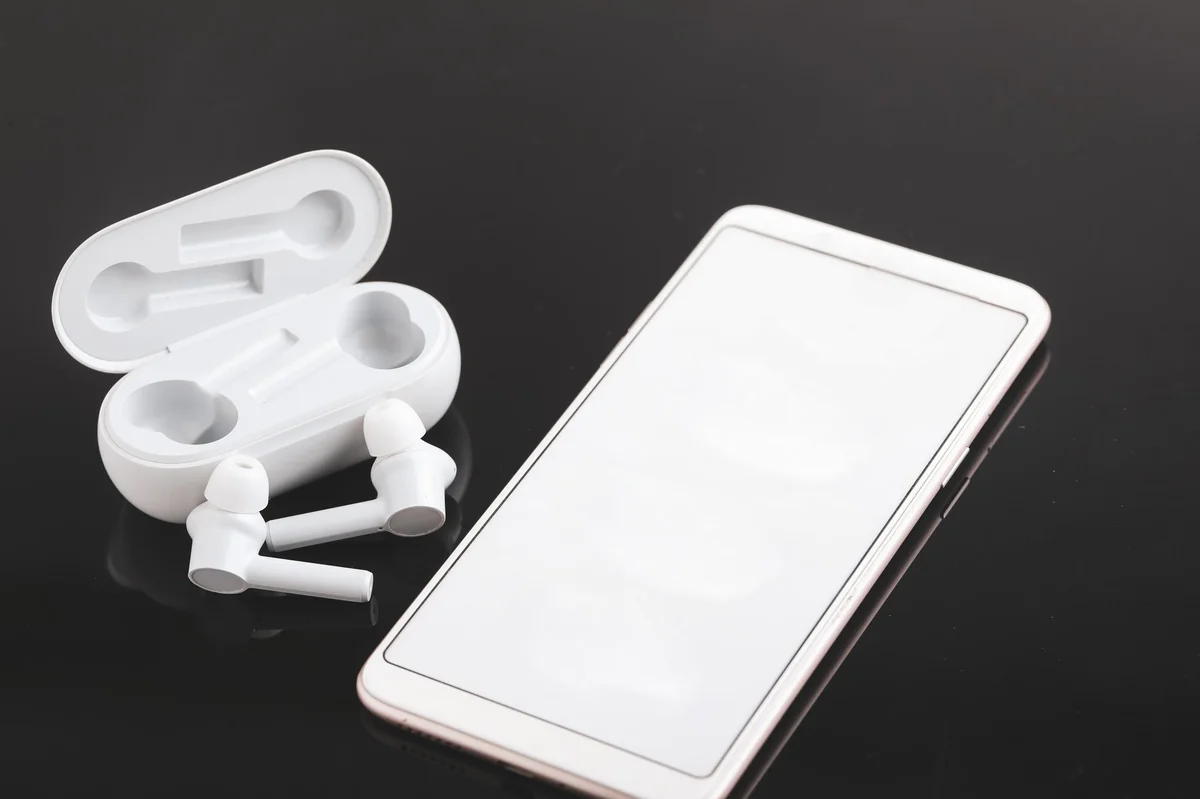
What OEM TWS Earbuds Spec Sheets Actually Tell You (And What They’re Hiding)
Spec sheets lie. Not outright — nobody’s printing fake numbers on purpose — but they’re written to impress, not to inform. And if you’re evaluating any OEM TWS earbuds supplier for the first time, that distinction matters more than you’d think.
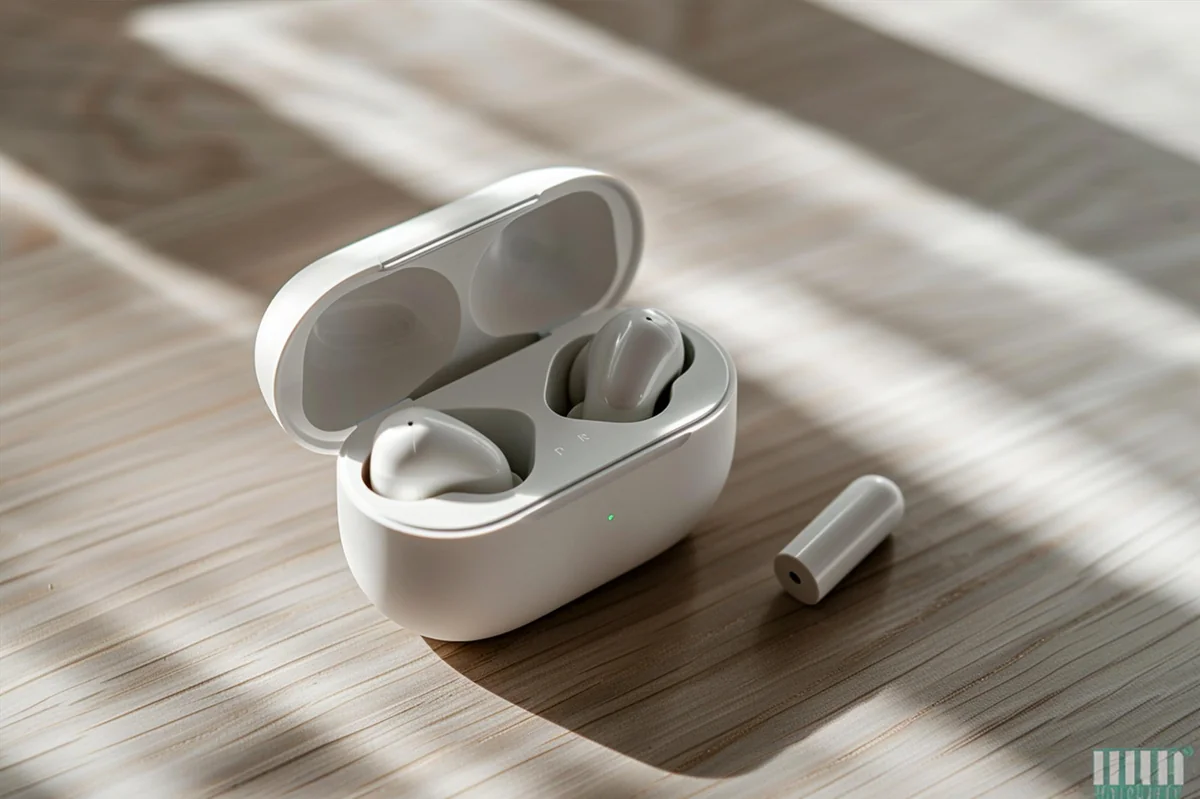
Take driver size. You’ll see “10mm dynamic driver” plastered on half the listings out there, and it sounds reassuring. Bigger driver, better bass, right? Not necessarily. Driver diameter tells you almost nothing about tuning quality, frequency response curve, or how the earbuds actually sound in a noisy street environment. It’s a marketing number dressed up as a technical one. Same story with “Bluetooth 5.3” — yes, it’s the latest standard, but if the RF antenna design is poor, you’re still getting dropouts at 8 meters.
Battery life claims are where things get genuinely misleading. “8 hours playback” usually means 8 hours at 50% volume in a lab with no wind, no calls, and no ANC running. Real-world? Knock off 25–30% minimum. A supplier quoting TWS earbuds with high cost-effectiveness in their pitch deck should be able to back that up with actual use-case breakdowns — not just peak-condition numbers.
So what should you actually look for? A few things spec sheets rarely highlight:
- Codec support (SBC is baseline; AAC and aptX actually matter for audio quality)
- IP rating test methodology — IPX4 splash-resistant is not the same as IPX5 under running water
- Microphone SNR (signal-to-noise ratio), not just “CVC noise cancellation” as a buzzword
- Charging case battery capacity in mAh, not just “total playback hours”
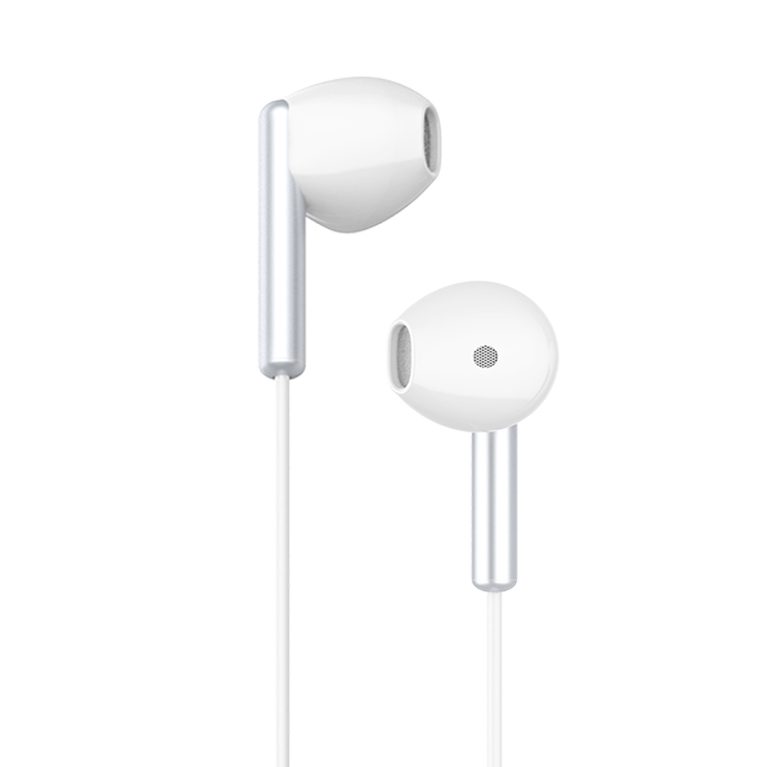
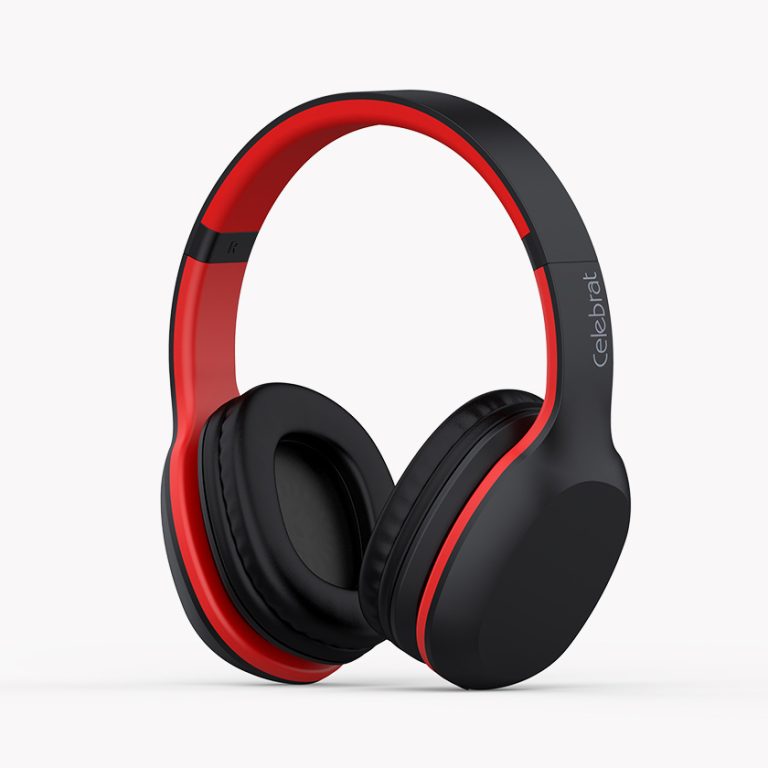
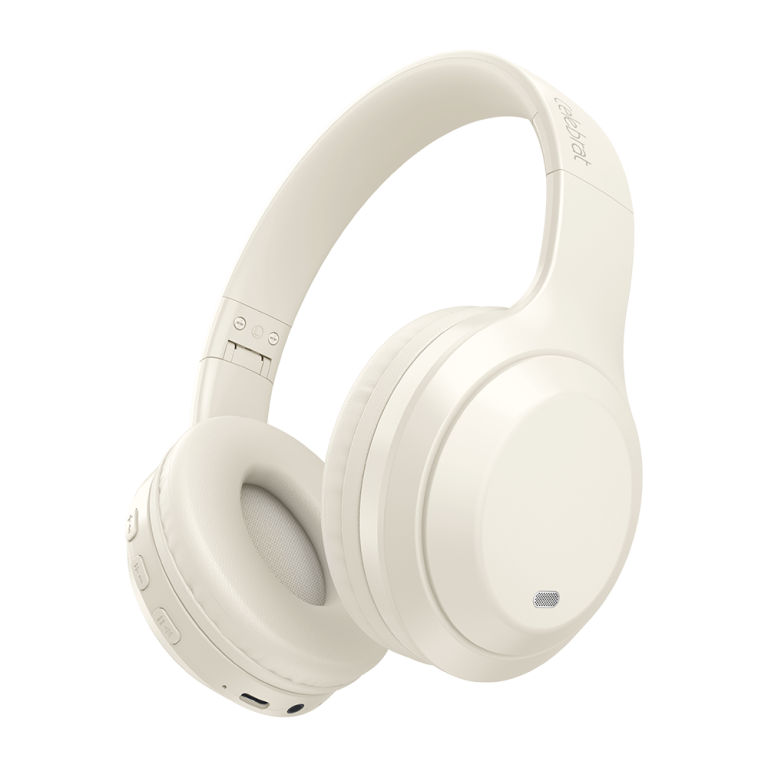
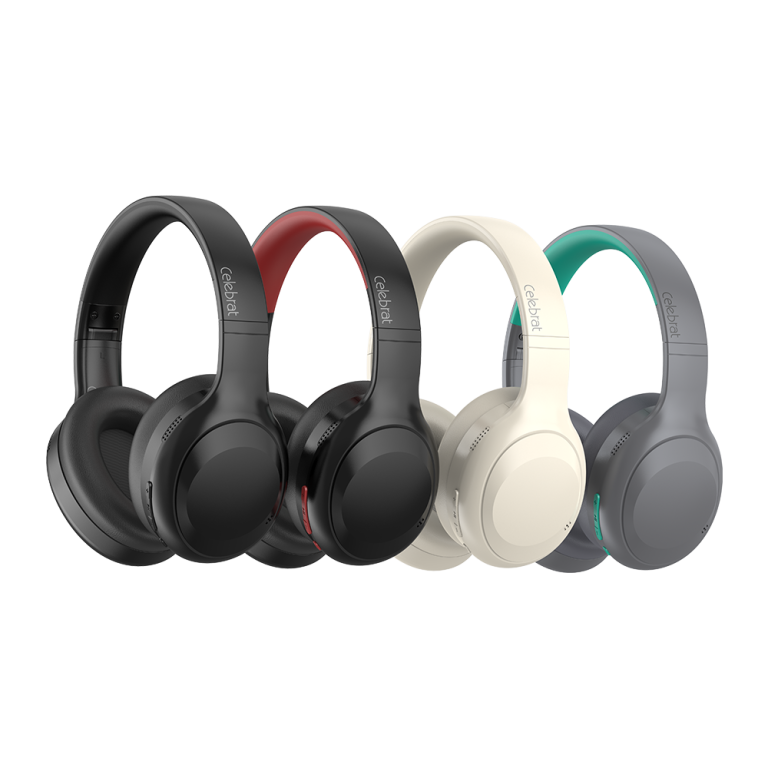
Brands that invest in transparent documentation stand out fast. Celebrat, for instance, publishes detailed product media — including visual assets hosted at celebrat.com — where you can pull wp content and uploads directly to verify product imagery and spec documentation rather than relying on a distributor’s word alone. The Celebrat SP-31 & SP-32 professional outdoor series is a decent benchmark here: the published specs include actual use-case context, not just peak figures.
Honest specs. Rare. Worth chasing.
Why Most Buyers Misread OEM TWS Earbuds Specs and Pay for It Later
Spec sheets lie. Not always intentionally — but a number printed without context is basically a half-truth dressed up as data, and buyers pay for that confusion later, sometimes literally.

Here’s the pattern that keeps repeating: a buyer sources from an OEM TWS earbuds supplier, the quoted specs look solid on paper, the samples pass a quick listen test, and then three months into a product launch the complaints roll in. Battery dies faster than advertised. Calls sound muffled in any environment with background noise. The earbuds survived a light drizzle but not a sweaty gym session — even though the listing said “waterproof.” These aren’t random failures. They’re the predictable result of misreading specs that were never designed to be fully understood.
The most common misread? Treating “up to 8 hours playtime” as a real number. It isn’t. That figure almost always comes from testing at 50-60% volume with no active features running — no ANC, no mic in use, stable Bluetooth connection at close range. Real-world use shaves 20-30% off that immediately. And that’s before you factor in a charging case that’s been through 200 cycles.
Driver size is another one. A 10mm dynamic driver sounds more impressive than a 6mm unit — but driver diameter without frequency response data or THD (total harmonic distortion) figures tells you almost nothing about actual sound quality. Bigger isn’t automatically better. Never was.
So what does honest documentation actually look like? Think: measured SNR values for the microphone, not just “CVC 8.0” as a buzzword. IPX ratings with the test methodology noted. Charging case capacity in mAh alongside the “total hours” claim. Celebrat does this reasonably well — the product pages at celebrat.com include visual assets and spec context you can actually pull from wp content and uploads to verify, rather than trusting a distributor summary. The Celebrat SP-31 & SP-32 professional outdoor line is a useful reference point here, partly because the published specs include actual use-case framing instead of peak-only figures.
TWS earbuds with high cost-effectiveness in any market segment aren’t just about low unit price. They’re about specs that hold up when the product lands in real hands. That distinction — between a number and a verified claim — is exactly what separates a smart sourcing decision from an expensive one.
The Specs That Actually Matter When Choosing an OEM TWS Earbuds Supplier
Honestly, most buyers get this backwards. They open a spec sheet, see “30-hour battery life” and “active noise cancellation,” and treat those numbers like facts — when really, they’re just marketing until someone forces a supplier to explain exactly how they got there. That’s the conversation worth having before you commit to any OEM TWS earbuds supplier.

So here’s what actually deserves your attention:
- Driver size vs. driver tuning. A 13mm driver isn’t automatically better than a 10mm one. Ask for frequency response curves. If they can’t produce one, that tells you something.
- Bluetooth version and codec support. SBC is the floor, not the feature. AAC matters for iOS users. aptX matters for Android. A supplier who doesn’t distinguish between these isn’t thinking about your end customer.
- Charging case capacity — actual mAh, not just “total hours.” The math should be transparent. Earbud battery + case battery = total claimed runtime. If those numbers don’t add up on paper, they won’t add up in real use.
- IP rating methodology. IPX4 and IP54 are not the same thing. One covers sweat. The other covers dust too. For any outdoor or fitness-adjacent product, that distinction is real money.
- Latency figures. Gaming and video use cases need sub-60ms. If a supplier quotes “low latency mode” without a number attached, push back.
And this is where referencing a known product line actually helps. The Celebrat SP-31 & SP-32 professional outdoor series publishes use-case-specific specs rather than just peak figures — which is a small thing that saves a lot of back-and-forth when you’re trying to verify claims against real-world performance. You can cross-check spec assets directly through celebrat.com, including what’s been uploaded through wp content and uploads paths, rather than relying on a third-party distributor summary that may be six months out of date.
Not glamorous. But necessary.
TWS earbuds with high cost-effectiveness in any category — budget, mid-range, premium outdoor — share one trait: the specs were verified before production, not explained away after returns started coming in. That’s the standard worth holding an OEM TWS earbuds supplier to, and Celebrat’s published documentation at least gives you a real baseline for comparison.
Driver size and frequency response: real-world sound vs. lab numbers
Driver size is one of those specs that gets thrown around like it actually tells you something definitive — and honestly, it kind of does, but not in the way most buyers expect. Bigger isn’t automatically better. A 13mm dynamic driver in a poorly tuned housing will sound worse than a well-implemented 10mm unit every single time.
So here’s the practical reality when you’re evaluating an OEM TWS earbuds supplier on paper specs: frequency response ranges are almost universally listed as 20Hz–20kHz, which is the theoretical range of human hearing. Meaningless on its own. What you actually want to know is how flat or colored the response is across that range, where the roll-off starts at the low end, and whether the high-frequency extension is real or just a number someone typed into a datasheet.
Not all suppliers will tell you. Some will.
The Celebrat SP-31 & SP-32 professional outdoor models are worth looking at here as a concrete reference point — they publish driver configuration details alongside frequency response curves rather than just the headline range, which lets you cross-check what you’re actually buying against what’s being claimed. You can pull those assets directly from celebrat.com via the wp content and uploads directory rather than waiting on a distributor to forward you something.
Driver size also interacts with eartip fit in ways that trip up a lot of buyers. A 10mm driver with a poor seal will lose 6–8dB of bass response compared to the same driver with a proper silicone tip seated correctly. That’s not a driver problem — that’s an acoustic chamber problem. And it’s something an OEM TWS earbuds supplier should be accounting for in their tuning notes, not leaving you to figure out in post-production testing.
TWS earbuds with high cost-effectiveness in the mid-range segment — roughly the $20–$45 retail band — tend to use 10–12mm dynamic drivers with either single or dual microphone setups. The driver size alone won’t tell you whether the tuning is any good. Ask for frequency response documentation. If they can’t produce it, that’s an answer too.
Conclusion
Ask for the frequency response documentation before you ask for anything else. That single request will tell you more about an OEM TWS earbuds supplier than their product catalog, their certifications, or their sales deck ever will.
Driver size is a spec. Acoustic tuning is a skill. They’re not the same thing, and conflating them is how you end up with earbuds that measure fine on paper and sound mediocre in a real ear canal.
If they can’t produce documentation — or worse, if they act like you’re being difficult for asking — keep moving.
Frequently Asked Questions
Q: What does OEM actually mean when you’re sourcing TWS earbuds?
A: OEM — original equipment manufacturer — means the factory builds the product to your specifications, and you sell it under your own brand name. With TWS earbuds specifically, that can range from full custom tooling (your housing, your tuning, your firmware) all the way down to a stock platform with your logo slapped on the shell. Know which one you’re actually getting before you sign anything.
Q: How much does it cost to work with an OEM TWS earbuds supplier?
A: Realistically, budget somewhere between $8–$25 per unit at scale, depending on specs — ANC, driver quality, battery size, and certification requirements all push that number up. The cheaper end of the market exists, but you’re usually inheriting someone else’s rejected platform. Tooling fees for a genuinely custom shell can add another $3,000–$15,000 upfront.
Q: How do I know if an OEM TWS earbuds supplier is actually capable of acoustic tuning — or just assembling parts?
A: Ask for frequency response documentation before you ask for anything else. A supplier with real acoustic engineering capability will hand you measurement graphs without hesitation; one that’s just clipping pre-made drivers into a generic shell will stall, deflect, or send you a marketing sheet instead. That single request filters out most of the noise.
Q: Why do TWS earbuds from different OEM suppliers sound so different even when they list the same driver size?
A: Driver size is a spec. Acoustic tuning — the way the cavity, venting, and DSP are calibrated together — is a skill, and it varies wildly between factories. A 6mm driver in a well-tuned shell will outperform a 10mm driver in a poorly designed one almost every time. This is exactly why frequency response data matters more than the spec sheet.
Q: How long does it take to get a product to market through an OEM TWS earbuds supplier?
A: For a stock-platform OEM with minor branding changes, you’re looking at roughly 45–75 days from signed agreement to finished goods. Full custom development — new housing tooling, custom tuning, firmware changes — typically runs 4–6 months minimum. Suppliers who promise custom development in 30 days are cutting corners somewhere; figure out where before it becomes your problem.
Q: What certifications should a legitimate OEM TWS earbuds supplier already hold?
A: CE and FCC are non-negotiable if you’re selling into Europe or North America — without them, your product won’t clear customs. RoHS compliance covers materials safety and is required in most regulated markets. Bluetooth SIG certification is separate and mandatory if you’re using the Bluetooth name or logo on packaging; some suppliers pass this cost to you, others absorb it, so clarify upfront.
Q: Can I request custom firmware or EQ tuning from an OEM TWS earbuds supplier?
A: You can — but whether you actually get it depends entirely on whether the factory controls its own firmware or licenses it from a chipset vendor like Qualcomm or Airoha. Suppliers with in-house DSP capability (rarer than they claim) can genuinely customize the sound profile and companion app behavior. Most mid-tier factories are working within whatever the chipset vendor allows, which limits how deep the customization actually goes.
Q: Is it worth paying more for an OEM TWS earbuds supplier with ISO 9001 certification?
A: ISO 9001 doesn’t guarantee the product sounds good — it guarantees the factory has documented quality processes. That said, it does correlate with lower defect rates, which matters a lot at scale; a supplier running under 1% return rates will save you far more in warranty costs than you’ll ever pay in unit price premium. Treat it as a baseline filter, not a finish line.