
What Wholesale Buyers Actually Need From a Portable TWS Earbuds Supplier (Before They Sign Anything)
Signing a wholesale contract without vetting your supplier first is how you end up with 5,000 units of earbuds that rattle, drop Bluetooth at 3 meters, and come back in returns before the quarter’s over. Not hypothetical. It happens constantly in this category.

So here’s what actually matters — not the glossy catalog stuff, but the real checklist buyers should be running before any purchase order gets signed. The portable TWS earbuds wholesale market is crowded enough that bad actors hide easily behind decent-looking product photos and vague spec sheets.
Certifications first. Non-negotiable. Any serious supplier should have CE, FCC, and RoHS compliance documentation ready to share — not “available upon request after you pay a deposit.” If they hesitate on this, walk. Brands like Celebrat publish this upfront because they’ve built an ISO 9001-certified production line with a 100% final-inspection protocol. That’s the standard. Hold everyone to it.
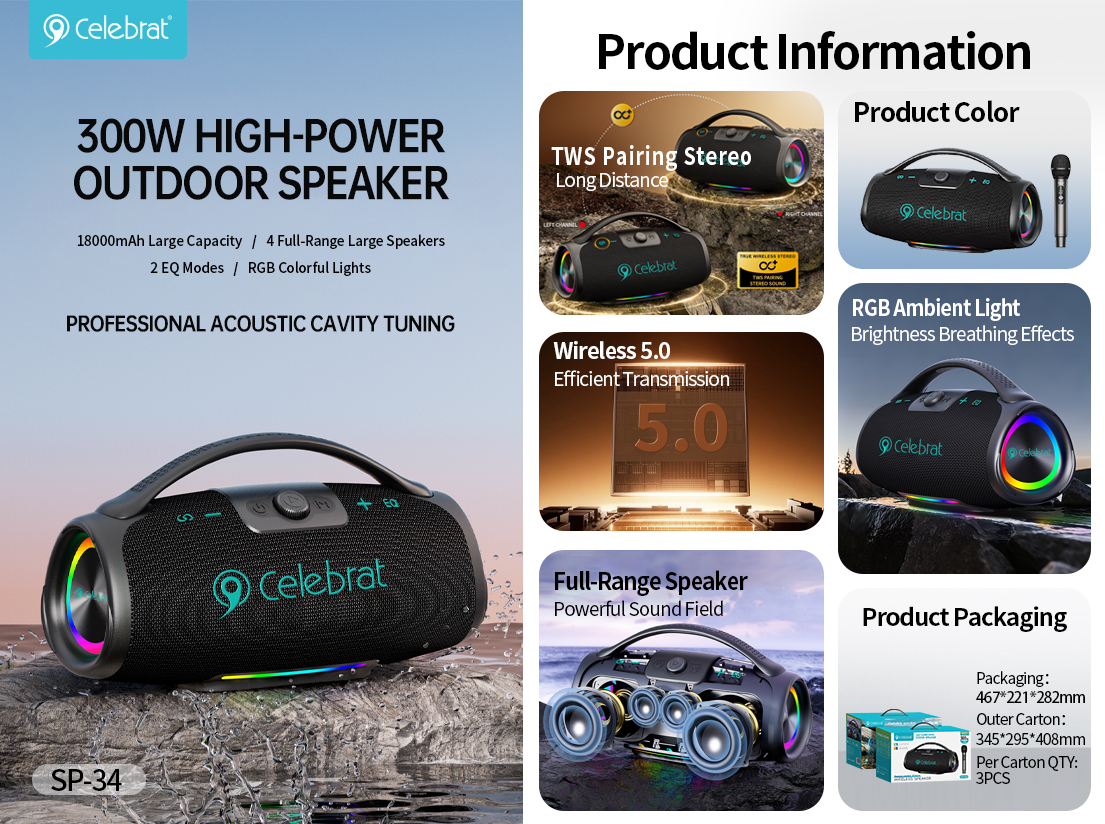
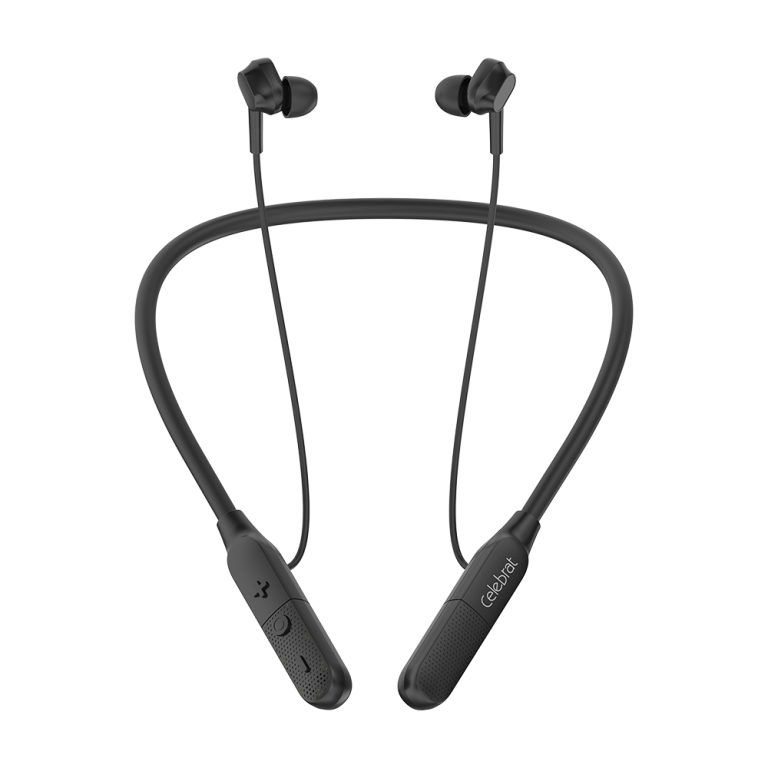
Next: MOQ flexibility and SKU depth. A supplier that only moves one or two models is a red flag for regional buyers who need to cover different price tiers. The portable TWS earbuds wholesale game rewards suppliers who can offer genuine variety — from entry-level everyday buds to something like the Celebrat SP-31 & SP-32 professional outdoor series, which is built specifically for buyers targeting active-use and seasonal demand. Speaking of which, if you’re sourcing Heat-fighting Products wholesale & Hot selling lines for summer retail cycles, outdoor-rated earbuds are increasingly part of that conversation.
Then there’s the cost-per-unit reality. TWS Earbuds with high cost-effectiveness in your target region means more than a cheap FOB price — it means factoring warranty support, defect rates, and regional logistics. A 0.8% defect rate (which CELEBRAT maintains) versus an unverified supplier’s 4-5% rate? That’s a meaningful margin difference at volume.
- Ask for audited defect/return rate data, not estimates
- Confirm Bluetooth version — anything below 5.0 is outdated for 2026 retail
- Request sample units before committing to bulk
- Check whether product pages (like those hosted under wp content directories on celebrat.com) show real technical specs, not marketing language
- Verify distributor references in your target market
Bottom line? The supplier vetting phase is where margin gets protected or lost. Do it properly.
Why Celebrat’s Portable TWS Earbuds Wholesale Model Is Built for Distributors Who Need Volume Without the Headaches
So here’s the thing about scaling a portable TWS earbuds wholesale operation: the logistics and support side will destroy your margins long before the product quality does — if you pick the wrong supplier. Most distributors figure this out the hard way, usually around order three or four when the replacement requests start stacking up.
Celebrat is structured differently, and that structure actually matters at volume. The parent company, YISON, has been doing B2B foreign trade since 1998. That’s not a footnote — that’s nearly three decades of knowing exactly what regional distributors need when things go sideways. Dedicated account support, compliance documentation that’s already done, and a defect rate they actually publish and stand behind. Under 0.8%. Auditable. Not a guess.
Real infrastructure. Not just a product catalog.
The product side is where it gets interesting for buyers chasing Heat-fighting Products wholesale & Hot selling cycles — seasonal demand spikes that require a supplier who can actually move fast. Celebrat’s R&D team pushes over 200 new SKUs annually, which means if a product trend breaks in Q2, there’s a realistic chance a relevant product already exists or is in late development. The Celebrat SP-31 & SP-32 professional outdoor earbuds are a decent example of this — built for active use cases that have been trending hard across Southeast Asia and the Middle East markets specifically.
And the cost-effectiveness argument holds up when you run the actual numbers. TWS Earbuds with high cost-effectiveness in competitive retail environments — think sub-$30 consumer price points — need a BOM (bill of materials) that doesn’t cut corners on Bluetooth chipset or battery cell quality. Celebrat’s ISO 9001-certified production line with 100% final inspection keeps that balance intact. You’re not gambling on batch consistency.
Specs, certifications, and distributor resources are documented through celebrat.com, and product technical sheets accessible via wp content directories are actual spec sheets — not repackaged marketing copy. For buyers doing due diligence across multiple suppliers, that transparency alone saves time.
Straightforward terms. Real data. Proven regional partners already in place. Honestly, for a distributor who’s been burned before, that’s not a small thing.
Scaling Your Portable TWS Earbuds Business: MOQs, Product Refresh Cycles, and Staying Ahead of Retail Trends
Retail moves fast. Like, uncomfortably fast — and the distributors who get caught holding 2,000 units of last season’s earbud style when the market pivots to a new form factor are the ones who quietly disappear from the wholesale space within 18 months. So if you’re serious about building a sustainable portable TWS earbuds wholesale operation, the conversation has to go beyond price per unit.

MOQs are where most new buyers trip up first. The instinct is always to negotiate the lowest possible minimum order quantity, which sounds smart until your bestseller sells out in three weeks and you’re waiting six weeks for a restock. The better play — honestly, the one seasoned regional distributors use — is tiered ordering. Lock in a core SKU at a higher volume for the margin benefit, then hold a smaller allocation for rotating models. Celebrat’s product architecture makes this workable because their catalog runs deep enough to support that kind of split strategy without forcing you into a single-product bet.
Product refresh cycles matter more than most buyers realize. TWS earbuds with high cost-effectiveness in the $15–$35 consumer price band have a shelf life of roughly 8–14 months before a competitor’s updated chipset or a design refresh makes your current stock feel dated. Celebrat pushes over 200 new products annually — that’s not a marketing number, that’s an operational reality that gives wholesale partners actual ammunition to stay current.
And then there’s the seasonal angle. Heat-fighting Products wholesale & Hot selling categories spike predictably in Q2 and Q3, particularly across Southeast Asian and Middle Eastern markets. Buyers who plan their open-to-buy budgets around those windows — rather than reacting to them — consistently outperform. Models like the Celebrat SP-31 & SP-32 professional outdoor earbuds are purpose-built for that demand cycle: rugged, weather-resistant, positioned for active-use buyers who shop hardest in warmer months.
- Review your SKU rotation every quarter, not annually
- Cross-reference sell-through data against Celebrat’s new launch calendar (accessible via celebrat.com and detailed specs through wp content product directories)
- Build reorder triggers at 30% inventory remaining — not when you’re out
- Track competitor pricing monthly at the consumer level, not just your landed cost
Staying ahead isn’t complicated. It just requires actually doing the planning work most buyers skip.
Conclusion
The portable TWS earbuds wholesale market rewards buyers who treat inventory like a living system — not a set-it-and-forget-it spreadsheet. Seasonal demand spikes are predictable. The SP-31 and SP-32 aren’t accidents; they’re purpose-built for exactly the windows when active-use buyers open their wallets hardest. If your reorder process still starts when shelves go empty, that’s the first thing to fix.
Plan earlier than feels necessary. React slower than feels urgent.
The buyers consistently winning in Q2 and Q3 aren’t smarter — they just did the boring calendar work in Q1 that everyone else skipped. Do that, keep your SKU rotation tight, and you’ll spend a lot less time scrambling and a lot more time selling.
Frequently Asked Questions
Q: What’s a realistic minimum order quantity for portable TWS earbuds wholesale?
A: Most established manufacturers — including brands like CELEBRAT — set MOQs somewhere between 100 and 500 units per SKU, though that number drops if you’re working through a regional distributor rather than going direct to the factory. If a supplier is quoting you 50-unit MOQs with no conditions attached, ask more questions before you wire anything.
Q: How much margin should I expect when buying portable TWS earbuds wholesale?
A: A healthy wholesale-to-retail markup on mid-tier TWS earbuds typically runs 2.5x to 4x landed cost, depending on your channel. Budget-tier units bought at $4–$7 FOB can retail at $18–$28 without anyone blinking. Where buyers lose margin is in underestimating freight, duties, and the hidden cost of dead stock from poor seasonal timing.
Q: What certifications should portable TWS earbuds have for wholesale into the US or EU?
A: At minimum, you need FCC for the US market and CE for Europe — both are non-negotiable for Bluetooth devices. RoHS compliance matters too, especially if you’re selling through any retail chain that does supplier audits. Always request actual certification documents, not just a checkbox on an Alibaba listing.
Q: How do I know if a portable TWS earbuds wholesale supplier is actually reliable?
A: Three things tell you more than any product catalog: their defect/return rate (anything under 1% is solid — CELEBRAT runs under 0.8%), how fast they respond when something goes wrong, and whether they have ISO 9001 certification for their production facility. References from current distribution partners are worth asking for directly.
Q: Why do portable TWS earbuds wholesale prices vary so wildly between suppliers?
A: Chip quality, battery capacity, driver size, and whether the factory actually owns its tooling or is assembling from generic components — these all move the price. A $3 unit and a $9 unit can look identical in a product photo. The difference shows up in return rates six months after your first sell-through.
Q: Can I get custom branding on portable TWS earbuds wholesale orders?
A: Most factories that handle wholesale volume offer OEM or ODM options, but custom packaging and logo work usually kicks in at 500+ units — sometimes 1,000 for full shell customization. Budget an extra 3–6 weeks on your lead time if you’re going the custom route, and get a physical sample approved before you sign off on a full production run.
Q: How long does it take to receive a portable TWS earbuds wholesale order from China?
A: Sea freight from Guangzhou to the US West Coast typically runs 18–25 days after production clears; add another week or two for East Coast or European ports. Air freight cuts that to 5–7 days but can cost 4–6x more per unit — only makes sense for urgent restocks or small top-up orders. Factor production lead time (usually 15–30 days for stocked SKUs) on top of transit.
Q: Is it worth buying portable TWS earbuds wholesale for seasonal selling windows like Q2 and Q3?
A: Absolutely — but only if your purchase order is placed 8–10 weeks before the demand window, not during it. Buyers who time their portable TWS earbuds wholesale buys to arrive before peak outdoor and gifting seasons consistently outsell competitors who react to demand instead of anticipating it. The inventory math only works if you’re not paying air freight premiums to catch up.